
by Odd Leaf
5 Easy Rare Houseplants Anyone Can Keep Alive
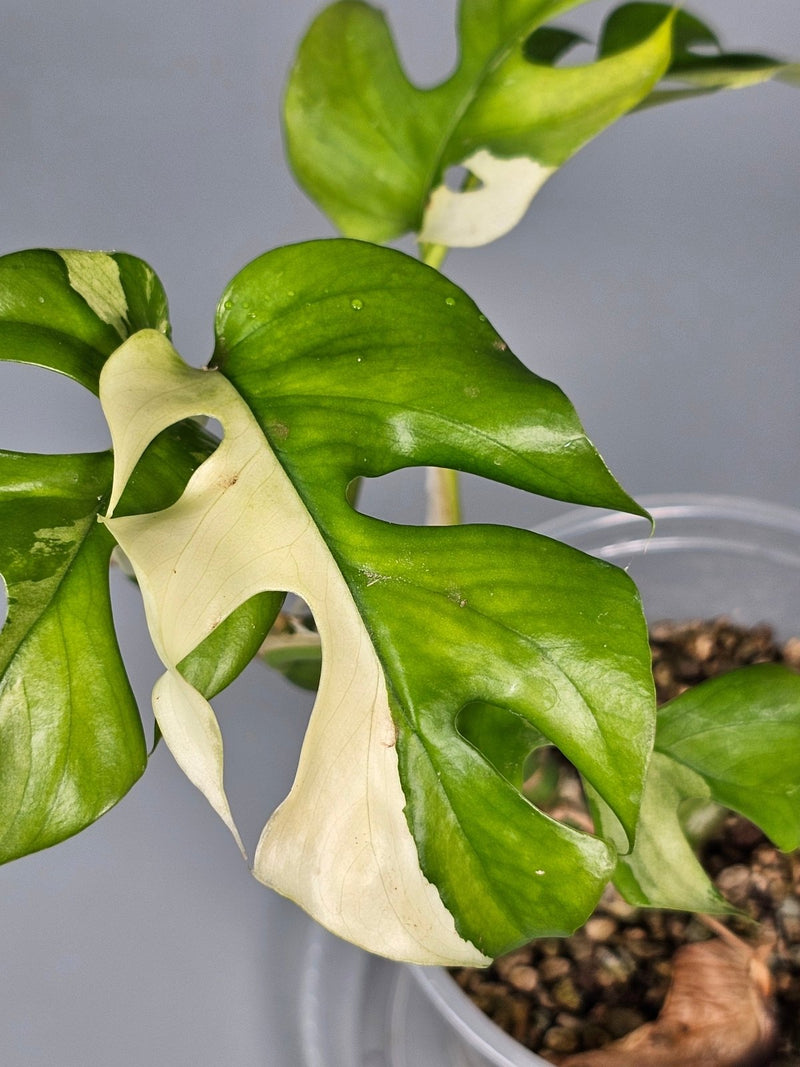
5 Easy Rare Houseplants Anyone Can Keep Alive Welcome to the enchanting world of rare houseplants, where unusual leaf patterns and striking forms make them coveted by plant enthusiasts worldwide. But don't let their exotic looks intimidate you! Here are five rare houseplants that are surprisingly easy to care for, making them perfect for both beginners and intermediate plant lovers. 1. Philodendron 'Brasil' One of the more forgiving members of the Philodendron family, the 'Brasil' variety is known for its vibrant green and yellow variegated leaves. It thrives in moderate to low light and only requires watering when the top inch of soil feels dry to the touch. Light: Moderate to low indirect light Water: Allow the top inch of soil to dry out before watering Tip: Regularly dust the leaves to keep them shiny and healthy 2. Anthurium clarinervium This stunning plant is prized for its heart-shaped leaves and contrasting veins. It demands a bit more humidity than your average houseplant, making it perfect for a bathroom with natural light. Learn more about its care in our detailed guide on how to avoid common mistakes with Anthurium clarinervium. Light: Bright, indirect light Water: Keep evenly moist but not soggy Extra Care: High humidity is a must 3. Alocasia 'Silver Dragon' Alocasia varieties are striking but can be tricky. However, the 'Silver Dragon' is more tolerant than most. It enjoys a warm spot with high humidity and indirect light. If you’re curious about more detailed care or other varieties, check out our post on keeping Alocasia 'Jacklyn' happy. Light: Bright, indirect light Water: Allow the topsoil to dry slightly between waterings Tip: Prone to spider mites, so keep an eye out for pests 4. Syngonium 'Albo Variegata' Also known as the Arrowhead Plant, this variegated form of Syngonium adds a splash of colour with less fuss. It’s adaptable to various lighting conditions and only needs watering when dry. Explore more about this versatile plant in our Syngonium collection. Light: Anywhere from low to bright indirect light Water: Water when the top inch of soil is dry Tip: Tolerates lower humidity than many rare houseplants 5. Epipremnum 'Cebu Blue' A rare type of Pothos, the 'Cebu Blue' has stunning, silvery-blue leaves that can brighten any room. It's incredibly low-maintenance, grows well in hanging baskets, and can be trained to climb. For more tips on care and styling, see our guide on how to make Epipremnum 'Cebu Blue' trail. Light: Thrives in moderate to bright indirect light Water: Water when soil is dry; quite drought-tolerant Tip: Perfect for beginners and busy plant owners FAQ: Caring for Rare Houseplants Q: How often should I fertilize my rare houseplants? A: During the growing season (spring and summer), fertilize your rare houseplants every 4-6 weeks. In the dormant season (autumn and winter), reduce fertilization to once every 2-3 months. Q: What is the best potting mix for rare houseplants? A: Most rare houseplants thrive in a well-draining, aerated potting mix. A mix of peat, perlite, and vermiculite often works well. Adjust the components based on the specific needs of your plant. Embracing the world of rare houseplants can transform your indoor garden into a lush, vibrant sanctuary. With these easy-care beauties, even novice plant parents can enjoy the exotic allure of rare houseplants without the fuss. Happy planting!
