Certified Plant Passports

100% Positive Feedback

5 Star Rating

Grown With Care

chevron_left chevron_right

Learn about all things houseplants

View

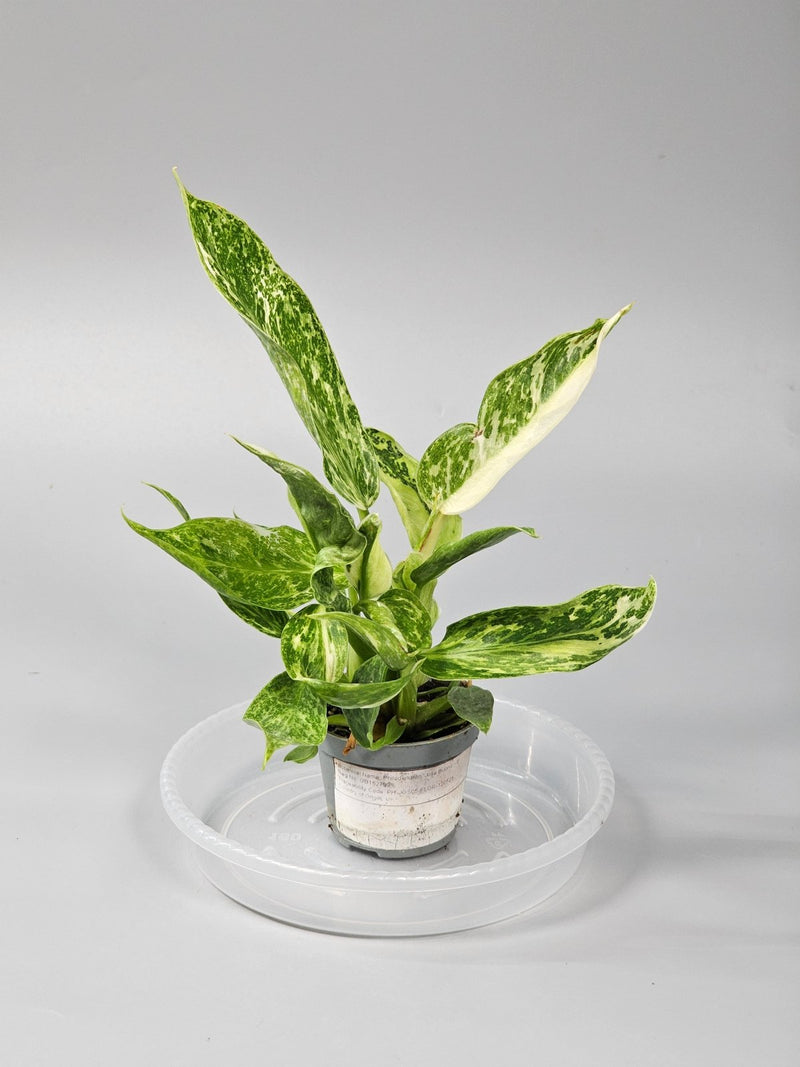
Top 7 Reasons Your Philodendron Isn’t Growing - Odd Leaf

by Odd Leaf

Top 7 Reasons Your Philodendron Isn’t Growing

Top 7 Reasons Your Philodendron Isn’t Growing Philodendrons, with their lush, green foliage, are a staple in many plant collections, especially among enthusiasts of rare houseplants. However, sometimes these robust plants can suddenly stop growing. If your philodendron has been looking a bit lackluster, here are seven potential reasons why and how you can encourage it back to health. 1. Inadequate Light Light is a fundamental aspect of plant growth. Philodendrons thrive in bright, indirect sunlight. Too little light can lead to slowed growth and smaller leaves, while too much direct sunlight can cause leaf burn. To remedy this: Position your philodendron where it can receive filtered sunlight, such as near a window with sheer curtains. If natural light is limited, consider using grow lights. 2. Improper Watering Both overwatering and underwatering can stress your philodendron, leading to poor growth. Philodendrons prefer their soil to be consistently moist but not soggy. Tips for proper watering include: Water when the top inch of soil feels dry to the touch. Ensure the pot has good drainage to prevent water from sitting at the roots. 3. Nutrient Deficiencies Lack of essential nutrients can stifle your philodendron's growth. Regular feeding during the growing seasons (spring and summer) can make a big difference. Use a balanced, water-soluble fertilizer every four to six weeks. If you notice yellowing leaves or stunted growth, it might be time to replenish the soil or consider a foliar feed. 4. Pot Size and Root Bound A pot that's too small can restrict your plant's root system, which can severely impact its growth. If your philodendron's growth has stalled, check if it's root-bound by gently removing it from its pot. If you see roots circling tightly around the soil, it's time to repot into a slightly larger container. 5. Humidity and Temperature Philodendrons are tropical plants, so they flourish in warm and humid environments. If your home is too dry or experiences drastic temperature fluctuations, this could be stressing your plant. Try to maintain a room temperature between 18-25°C and increase humidity with a humidifier or by placing a water tray near your plant. 6. Pests and Diseases Pests like spider mites, mealybugs, and aphids can hinder your philodendron's growth by sapping vital nutrients from the leaves. Regularly inspect your plant for signs of infestation and treat promptly with insecticidal soap or neem oil. Also, watch out for common diseases such as root rot, which is often caused by overwatering. 7. Poor Soil Quality The right soil mix can make a significant difference in the health of your philodendron. These plants prefer a well-draining, nutrient-rich soil. Consider mixing in perlite or vermiculite to improve drainage and aeration. Refreshing the soil every couple of years can also help maintain nutrient levels. FAQs About Growing Philodendrons Q: How often should I repot my philodendron? A: Generally, repotting every 2-3 years or when the plant becomes root-bound is recommended. Q: Can philodendrons grow in artificial light? A: Yes, philodendrons can thrive under grow lights, especially if natural sunlight is insufficient. Q: Are philodendrons toxic to pets? A: Yes, philodendrons can be toxic if ingested. It's best to keep them out of reach of pets and children. For pet-safe options, check out this article. Understanding the specific needs of your philodendron can transform it from stagnant to thriving. With the right care, these beautiful rare houseplants can be a lush, vibrant part of your indoor garden. For more tips on caring for other types of rare houseplants, explore our full collection.

Read more

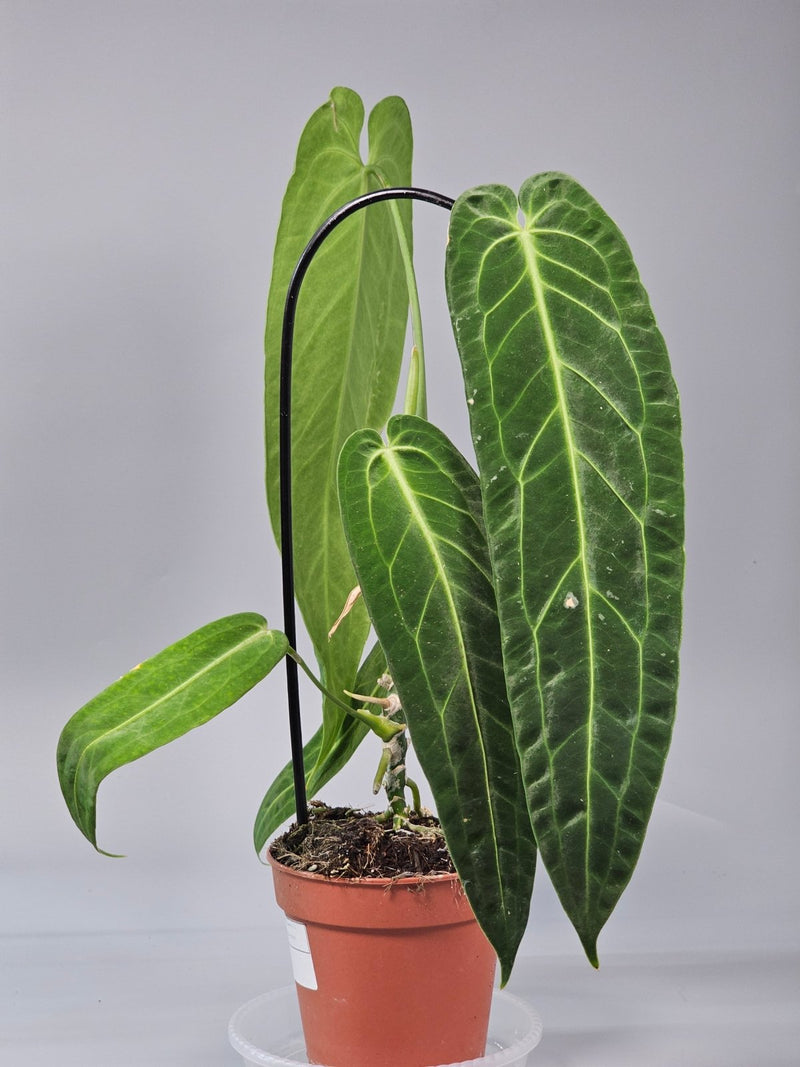
Why Are My Anthurium Leaves Turning Brown? - Odd Leaf

by Odd Leaf

Why Are My Anthurium Leaves Turning Brown?

Why Are My Anthurium Leaves Turning Brown? As a lover of rare houseplants, encountering issues like browning leaves on your Anthurium can be disheartening. Anthuriums, with their glossy leaves and striking flowers, make a stunning addition to any indoor garden. However, when their leaves start turning brown, it often signals that something might be amiss in their care routine. Let’s explore the common reasons behind this issue and how to rectify them. Common Causes of Browning Anthurium Leaves Browning leaves in Anthuriums can be attributed to several factors, ranging from environmental stresses to improper care practices. Understanding these can help you quickly rectify the issue and restore your plant to health. Watering Issues: Both overwatering and underwatering can cause the leaves of your Anthurium to turn brown. Overwatering leads to root rot, while underwatering can dehydrate the plant. Low Humidity: Anthuriums thrive in high humidity environments. Dry air can desiccate the leaves, leading to browning edges. Excessive Light: While Anthuriums need bright, indirect light, too much direct sunlight can scorch the leaves, causing them to brown. Pests and Diseases: Pests like spider mites and diseases such as bacterial blight can also lead to brown spots on the leaves. Nutrient Deficiency: A lack of essential nutrients, particularly magnesium and iron, can manifest as browning leaves. Step-by-Step Solutions to Prevent Browning Leaves Addressing the browning of your Anthurium leaves involves a few careful adjustments to your plant care routine: Adjust Your Watering Schedule: Ensure the soil is moist but not soggy. Water your Anthurium when the top inch of soil feels dry to the touch. Improve Humidity: Use a humidifier or place a water tray near your plant to boost the surrounding humidity. Optimize Light Exposure: Position your Anthurium in a spot where it receives bright, indirect sunlight. Avoid direct sun exposure, especially during the hot midday hours. Check for Pests and Diseases: Regularly inspect your plant for signs of pests or disease. Treat infestations early with appropriate pesticides or natural remedies. Feed Your Plant: Use a balanced, water-soluble fertilizer every other month during the growing season to prevent nutrient deficiencies. FAQs About Anthurium Care How often should I water my Anthurium? Water your Anthurium once the top inch of soil has dried out. This usually means watering once a week, but adjust according to temperature and humidity levels. What is the best fertilizer for Anthuriums? A balanced 20-20-20 fertilizer diluted to half-strength is ideal for feeding an Anthurium. Apply during the growing season for best results. How do I increase humidity for indoor plants? Besides using a humidifier, you can place your plant on a water-filled pebble tray or group it with other plants to create a microenvironment with higher humidity. Styling Your Anthurium Anthuriums are not just admired for their care aspects but also for their aesthetic appeal. Place your Anthurium in a bright, well-lit room, away from direct sunlight, to complement modern and minimalistic decor themes. Opt for decorative pots that match your interior to enhance the overall appearance of your space. For more tips on caring for your Anthurium or other rare houseplants, feel free to explore our detailed guides and articles. Whether you are a seasoned plant parent or new to the indoor gardening scene, understanding the unique needs of your plants is key to enjoying their beauty and benefits. Remember, each plant is unique and might show different signs of distress. Observing your plants regularly and adjusting care promptly can make a significant difference in their health and growth.

Read more

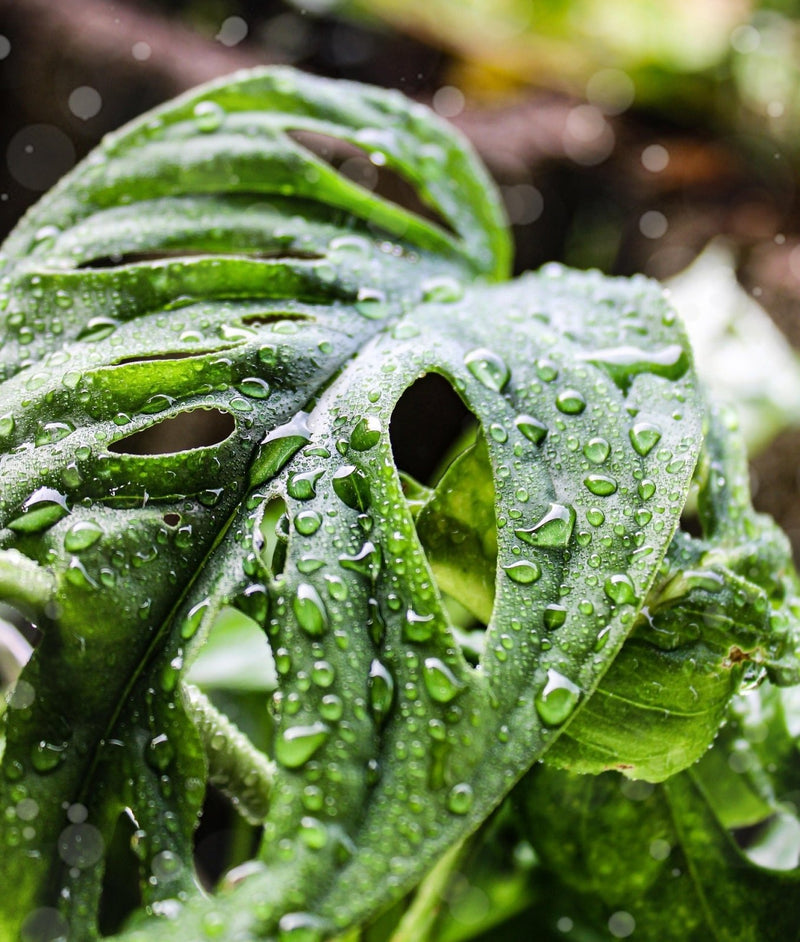
Why Is My Monstera Turning Yellow? - Odd Leaf

by Odd Leaf

Why Is My Monstera Turning Yellow?

Why Is My Monstera Turning Yellow? Welcome to the lush world of Monstera, a favourite amongst plant lovers for its dramatic, Swiss-cheese-like leaves and easy-going nature. However, even the sturdiest plants can encounter issues, and yellowing leaves in Monsteras can leave many enthusiasts puzzled. Let’s unfold the reasons behind this discolouration and how you can restore the vibrant green health of your beloved plant. Understanding the Causes of Yellowing Leaves Yellow leaves can be symptomatic of several issues, ranging from natural aging to more concerning environmental or care mishaps. Identifying the cause is the first step to remedying the problem. Watering Issues: Both overwatering and underwatering can lead to your Monstera's leaves turning yellow. Light Exposure: Insufficient lighting or too much direct sunlight can also stress the plant, causing leaves to yellow and wilt. Nutrient Deficiency: A lack of essential nutrients, particularly nitrogen, can manifest as yellowing leaves. Pest Infestations: Pests like spider mites and mealybugs can drain your plant of its vital juices, leading to discoloured leaves. Diagnosing and Fixing Watering Issues Watering correctly is crucial for keeping your Monstera healthy. Here’s how you can ensure optimal watering: Condition Action Overwatering Let the soil dry out before watering again; consider improving drainage by adding perlite or sand. Underwatering Establish a regular watering schedule. Water thoroughly until water runs from the drainage holes. Ensuring Proper Light Exposure Monsteras prefer bright, indirect light. Too little light can weaken your plant, while too much direct sunlight can scorch the leaves, causing them to turn yellow. If you suspect lighting issues, try relocating your Monstera to a spot with indirect but bright light, or use sheer curtains to diffuse direct sunlight. Addressing Nutrient Needs A balanced diet is important for your Monstera. Utilise a balanced, water-soluble fertiliser every month during the growing season. If you notice yellowing leaves, consider whether your plant might be missing vital nutrients. Nitrogen deficiency, in particular, can cause yellowing. A supplement with a higher nitrogen content might be necessary. Combating Pests Regularly check your Monstera for signs of pests. If you find any, isolate the affected plant to prevent spread and treat it with an appropriate insecticide or natural remedy like neem oil. Keeping the leaves clean can also prevent pest infestations. FAQs Can temperature fluctuations cause my Monstera to turn yellow? Yes, sudden changes in temperature or drafts can stress your plant, leading to yellowing leaves. Try to keep your Monstera in a stable environment away from draughty windows or heating vents. Is it normal for old Monstera leaves to turn yellow? Yes, it is natural for older leaves at the bottom of the plant to eventually turn yellow and die off as part of the plant’s growth process. This is normal and allows nutrients to be redirected to newer growth. How often should I repot my Monstera? Monsteras typically need to be repotted every 18-24 months. If your plant's growth seems stunted or the soil dries out too quickly after watering, it might be time to repot. Final Thoughts Yellowing leaves can be a sign that your Monstera is asking for help. By understanding and addressing the specific needs of your plant, you can ensure it remains a vibrant and thriving component of your indoor garden. For more care tips on rare houseplants, check out our detailed guides and expand your green expertise! Interested in expanding your collection? Explore our Rare Collection for more exotic options that can bring unique beauty to your home.

Read more

Why Rare Houseplants Are Worth the Investment - Odd Leaf

by Odd Leaf

Why Rare Houseplants Are Worth the Investment

Why Rare Houseplants Are Worth the Investment For many enthusiasts, curating a collection of houseplants is not just a hobby; it's a passion. Among these, rare houseplants hold a special allure, offering unique beauty, fascinating histories, and a rewarding gardening challenge. If you're on the fence about whether to invest in these exotic beauties, here are some compelling reasons why rare houseplants can be worth every penny. The Unique Appeal of Rare Houseplants Rare houseplants, by their very nature, are not commonly found in the average home or garden centre. This exclusivity adds a layer of intrigue and distinctiveness to your indoor garden. Plants like the variegated Monstera, Philodendron 'Spirit of Ecuador', or the elusive Anthurium veitchii, transform an ordinary collection into a stunning conversation starter. Their unusual patterns, striking colors, and uncommon foliage are visually captivating and can complement any interior design. Benefits of Investing in Rare Houseplants Aesthetic Value: Rare houseplants often offer extraordinary beauty that can enhance the visual appeal of your living space. Improved Air Quality: Like all houseplants, rare varieties help purify the air, which is essential for maintaining a healthy home environment. Emotional Wellbeing: The care process can be incredibly therapeutic, providing a sense of accomplishment and peace. Potential Increase in Value: Certain rare houseplants can appreciate in value over time, especially as they become harder to find. How to Start Your Collection Beginning your journey into the world of rare houseplants can seem daunting, yet it is exceedingly rewarding. Here are a few steps to get started: Research: Understand the needs and characteristics of various rare houseplants. Resources like The Rare Collection can provide valuable information. Source Responsibly: Purchase from reputable nurseries or collectors to ensure you’re getting healthy, ethically sourced plants. Start Small: Begin with one or two varieties that are less demanding, allowing you to gain confidence and experience. Join Communities: Online forums and local clubs can offer support, advice, and potentially rare plant cuttings. Top Rare Houseplants to Consider Plant Name Description Light Requirements Philodendron 'Spirit of Ecuador' A rare philodendron with deep green, velvety leaves. Medium to bright indirect light Anthurium veitchii Known as the 'King Anthurium', this plant features long, rippled leaves. Bright, indirect light Monstera obliqua Extremely rare with large, fenestrated leaves. Medium to bright indirect light Common Questions About Rare Houseplants How often should I water my rare houseplants? Watering frequencies depend on the specific species, but most rare houseplants thrive with consistent moisture. Overwatering can be detrimental, so it's essential to understand each plant's needs. For detailed guidance, check out How to Water Alocasia Without Overwatering. Are rare houseplants hard to care for? While some rare houseplants require more specific care than common varieties, many are quite resilient. With proper research and the right environment, even novice gardeners can successfully grow rare species. Where can I buy rare houseplants? Rare houseplants can be purchased from specialized nurseries, online collectors, or through plant swaps. Websites like Odd Leaf Houseplants offer a range of rare and exotic plants. Conclusion Investing in rare houseplants brings immense joy and a unique aesthetic to your home. With the right care and a bit of patience, these exotic plants not only beautify your space but also provide a fulfilling, engaging hobby. Whether you're a seasoned collector or a curious newcomer, the world of rare houseplants has something spectacular to offer everyone.

Read more