
by Odd Leaf
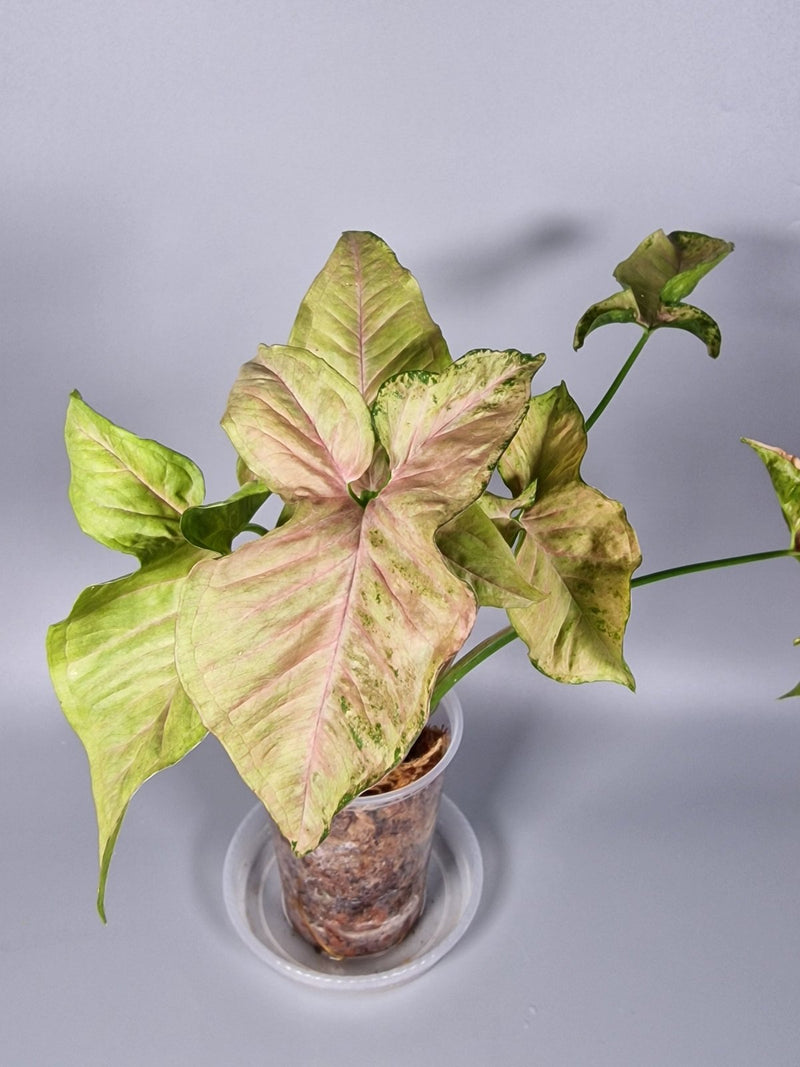
How to Take Care of a Syngonium Indoors
Discover essential tips on caring for a Syngonium indoors with our comprehensive guide. Perfect your rare houseplant skills!
by Odd Leaf
How to Take Care of a Syngonium Indoors
Discover essential tips on caring for a Syngonium indoors with our comprehensive guide. Perfect your rare houseplant skills!
by Odd Leaf
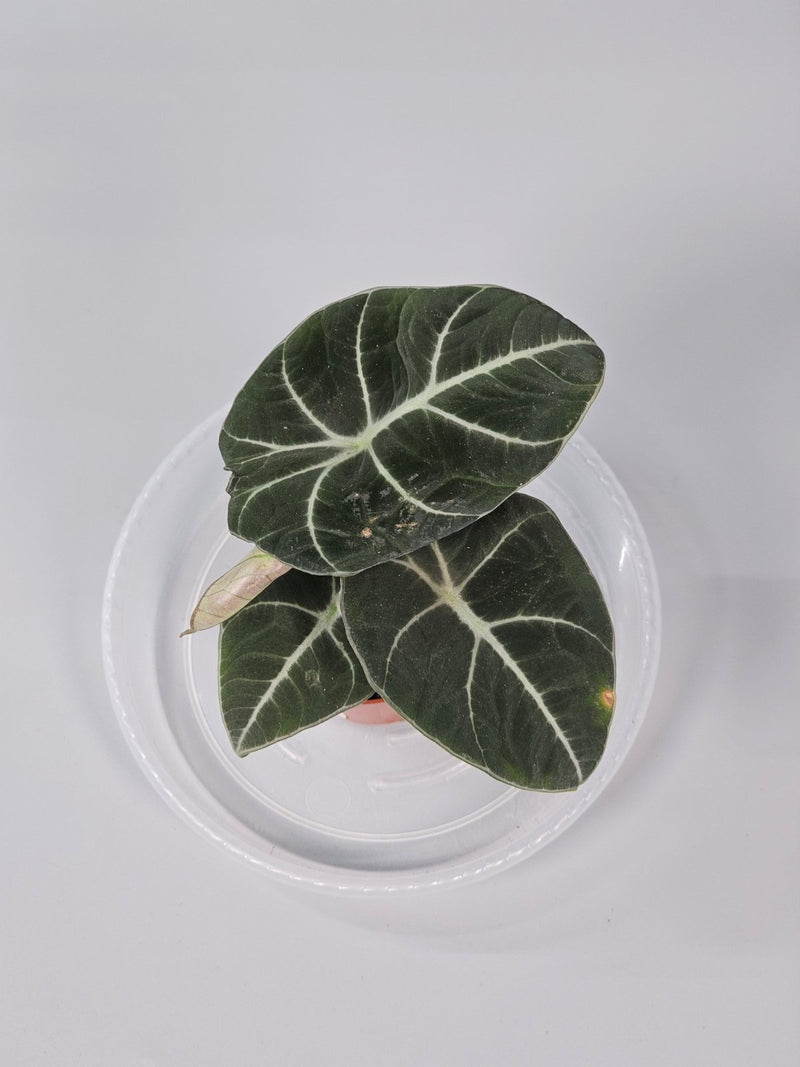
How to Water Alocasia Without Overwatering
How to Water Alocasia Without Overwatering Welcome to the verdant world of Alocasia, a genus of broad-leaved rhizomatous or tuberous perennials from the family Araceae. Known for their striking foliage and architectural beauty, these plants are a staple in collections of rare houseplants. However, their care can be a tad tricky, especially when it comes to watering. Let’s dive into the essentials of how to water your Alocasia properly, ensuring it thrives without the peril of overwatering. Understanding Alocasia's Water Needs Alocasia plants require a balance of moisture to support their lush foliage yet are susceptible to root rot if overwatered. The key is maintaining a consistent watering schedule that adapts to the changing conditions of your home environment and the seasons. When to Water Your Alocasia Check the soil moisture: Before watering, check the top two inches of soil with your finger. If the soil feels nearly dry, it’s time to water. During the winter, allow the soil to dry out a little more between waterings. Consider the humidity: Alocasia thrives in high humidity. In drier environments, they may need more frequent watering to compensate. Seasonal adjustments: Reduce watering in the colder months when plant growth naturally slows down. How to Water Alocasia Proper watering technique is crucial to prevent issues like root rot. Here's how to water your Alocasia the right way: Use lukewarm water: Cold water can shock the roots, so always use lukewarm water. Water evenly: Pour water around the base of the plant until it begins to drain out of the bottom of the pot. Ensure the water spreads evenly through the potting mix. Let it drain: Never let your Alocasia sit in water. Ensure excess water can drain freely from the pot to avoid soggy soil conditions. Tips to Avoid Overwatering Tip Explanation Choose the right pot Use a pot with adequate drainage holes. Terracotta pots are ideal as they absorb excess moisture. Monitor water intake Adjust your watering schedule based on the season and indoor climate. Use a moisture meter for more precise monitoring. Improve air circulation Good airflow helps soil dry more evenly and reduces the risk of fungal diseases. Frequently Asked Questions How often should I water my Alocasia? This depends on factors like humidity, temperature, and light. Generally, watering once a week is adequate. Always check the soil moisture before watering. What are the signs of overwatering? Yellowing leaves, limp stems, and a musty smell from the soil can all indicate overwatering. Can I mist my Alocasia? Yes, Alocasia plants appreciate humidity. Regular misting can help meet their humidity needs, especially in dry environments. Conclusion Mastering the art of watering your Alocasia can significantly impact its health and growth. By understanding its water needs and adjusting your care routine accordingly, you can enjoy the lush, dramatic foliage of this beloved genus without the worry of overwatering. Remember, each Alocasia may have slightly different needs, so observe your plant closely and adjust as needed. For more tips on caring for other rare houseplants, check out our detailed guides on Philodendron, Anthurium, and more.
by Odd Leaf
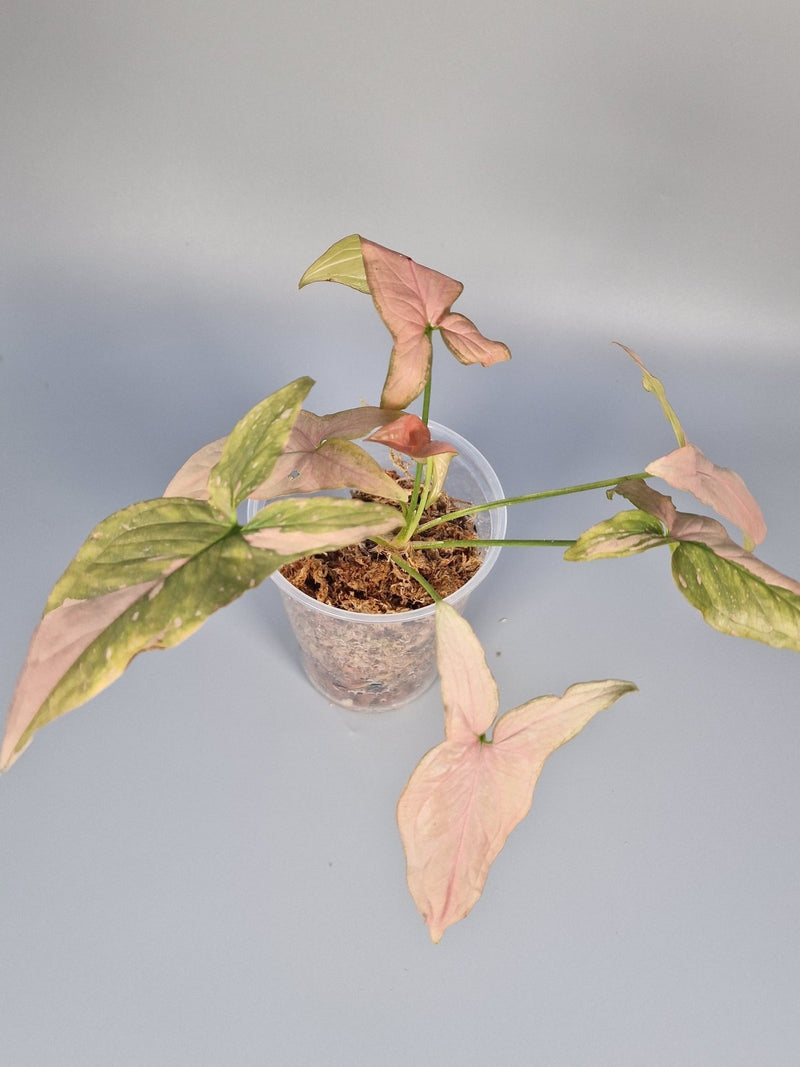
Syngonium Pink Splash: The Ultimate Care & Propagation Guide
Discover essential care tips for Syngonium Pink Splash, your guide to thriving rare houseplants.
by Odd Leaf
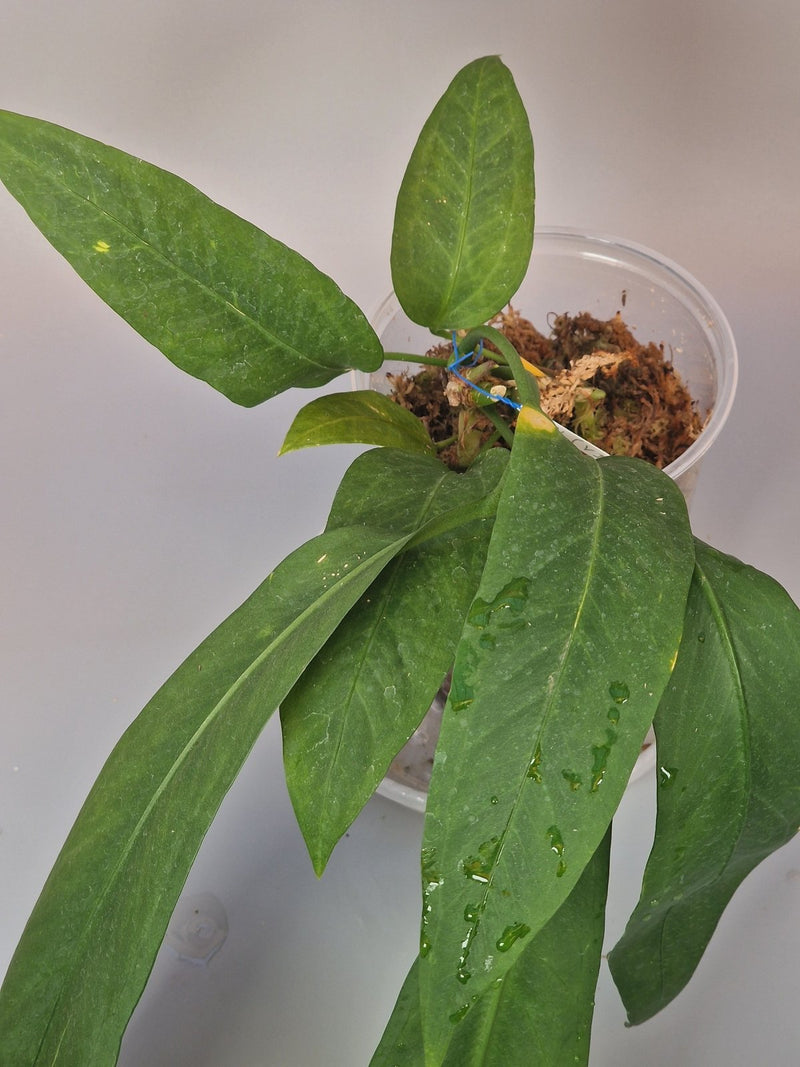
The Ultimate Anthurium Care Guide for Beginners
The Ultimate Anthurium Care Guide for Beginners Welcome to your comprehensive guide on caring for Anthuriums, one of the most stunning and popular rare houseplants. Known for their vibrant, waxy flowers and lush green leaves, Anthuriums can bring a touch of the tropics into your home. Whether you’re a novice or somewhat experienced in the indoor plant arena, this guide will equip you with all you need to know to keep your Anthurium thriving. Understanding Your Anthurium Anthuriums, also referred to as Flamingo Flowers, are part of a large genus of around 1,000 species, typically found in the rainforests of Central and South America. Their appeal in home decor comes from their bright spathes and ornamental leaves. For beginners, understanding the basic needs of these plants is the first step to successful care. Optimal Growing Conditions To mimic their natural habitat, you’ll need to ensure the right balance of light, temperature, and humidity: Light: Anthuriums prefer bright, indirect light. Avoid direct sunlight as it can scorch their leaves. A spot near a window with a sheer curtain is ideal. Temperature: Keep your plant in a warm environment — ideally between 20°C to 28°C. Avoid draughty areas. Humidity: These tropical plants thrive in high humidity. Aim for 60-80% humidity. Regular misting, a humidity tray, or a room humidifier can help achieve this. Watering and Feeding Proper watering is crucial for Anthuriums: Water: Water your Anthurium when the top inch of soil feels dry. Overwatering can lead to root rot, so ensure your pot has good drainage. Fertilizer: Feed your Anthurium with a balanced, water-soluble fertilizer every other month during the growing season. Reduce feeding in the winter when plant growth naturally slows. Common Issues and Solutions Keep an eye out for these common issues that can affect your Anthurium: Problem Symptom Solution Overwatering Yellowing leaves, root rot Reduce watering, improve drainage Underwatering Dry, curling leaves Water more frequently Low Humidity Brown leaf tips Increase humidity via misting or a humidifier Propagation Propagating Anthuriums can be a fun way to expand your collection: Choose a healthy, mature plant. Carefully remove the plant from its pot and separate a section of the root that includes at least one leaf and root. Plant the section in fresh potting mix and water it well. Keep the new plant in a warm, humid environment with indirect light. Styling with Anthuriums Anthuriums can add a splash of colour to any room. Here are a few styling tips: Use a decorative pot that complements your home decor. Group with other tropical plants like Philodendrons or Monsteras for a mini indoor jungle. Place in a bright bathroom to naturally take advantage of high humidity levels. Frequently Asked Questions How often should I repot my Anthurium? Repot your Anthurium every 2-3 years or if you notice it becoming root-bound. Can Anthuriums handle low light conditions? While they tolerate low light, they won't flower well. Bright, indirect light is best. Are Anthuriums toxic to pets? Yes, they can be toxic if ingested. Keep them out of reach of pets and children. With these tips and regular care, your Anthurium should thrive, bringing vibrant colour and a tropical feel to your home. For more information on caring for other rare houseplants, be sure to check our dedicated articles.
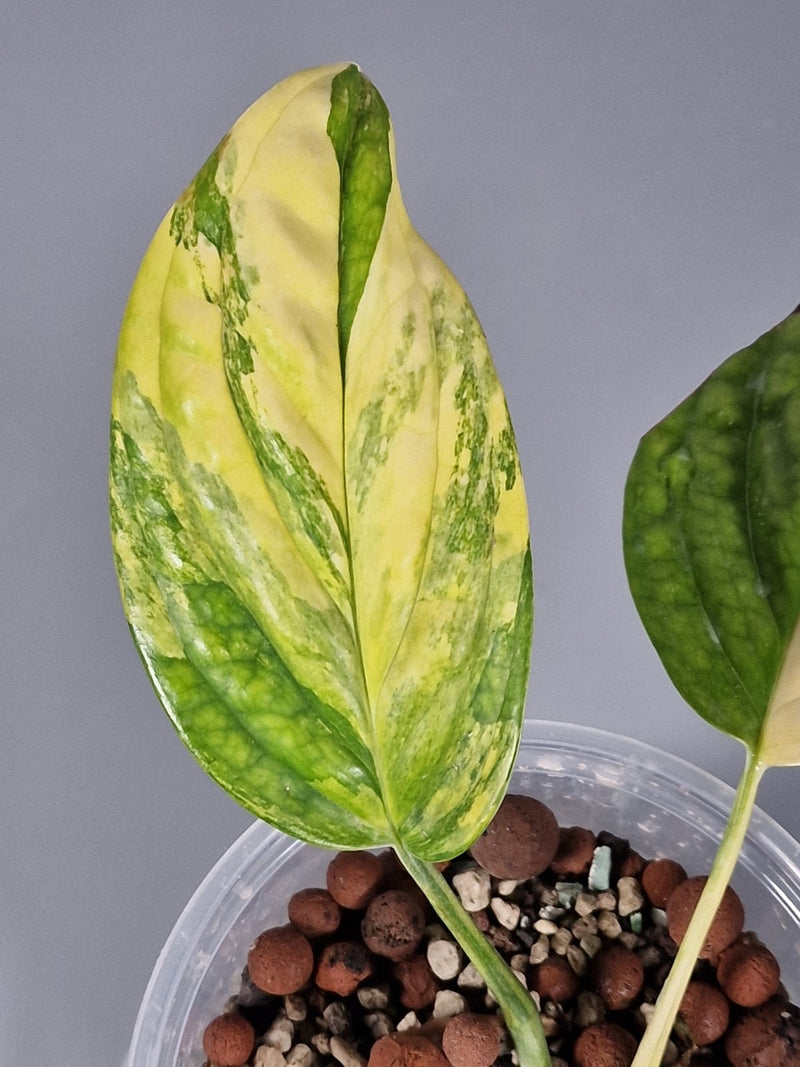
by Odd Leaf
Why Is My Monstera Turning Yellow?
Why Is My Monstera Turning Yellow? Welcome to the lush world of Monstera, a favourite amongst plant lovers for its dramatic, Swiss-cheese-like leaves and easy-going nature. However, even the sturdiest plants can encounter issues, and yellowing leaves in Monsteras can leave many enthusiasts puzzled. Let’s unfold the reasons behind this discolouration and how you can restore the vibrant green health of your beloved plant. Understanding the Causes of Yellowing Leaves Yellow leaves can be symptomatic of several issues, ranging from natural aging to more concerning environmental or care mishaps. Identifying the cause is the first step to remedying the problem. Watering Issues: Both overwatering and underwatering can lead to your Monstera's leaves turning yellow. Light Exposure: Insufficient lighting or too much direct sunlight can also stress the plant, causing leaves to yellow and wilt. Nutrient Deficiency: A lack of essential nutrients, particularly nitrogen, can manifest as yellowing leaves. Pest Infestations: Pests like spider mites and mealybugs can drain your plant of its vital juices, leading to discoloured leaves. Diagnosing and Fixing Watering Issues Watering correctly is crucial for keeping your Monstera healthy. Here’s how you can ensure optimal watering: Condition Action Overwatering Let the soil dry out before watering again; consider improving drainage by adding perlite or sand. Underwatering Establish a regular watering schedule. Water thoroughly until water runs from the drainage holes. Ensuring Proper Light Exposure Monsteras prefer bright, indirect light. Too little light can weaken your plant, while too much direct sunlight can scorch the leaves, causing them to turn yellow. If you suspect lighting issues, try relocating your Monstera to a spot with indirect but bright light, or use sheer curtains to diffuse direct sunlight. Addressing Nutrient Needs A balanced diet is important for your Monstera. Utilise a balanced, water-soluble fertiliser every month during the growing season. If you notice yellowing leaves, consider whether your plant might be missing vital nutrients. Nitrogen deficiency, in particular, can cause yellowing. A supplement with a higher nitrogen content might be necessary. Combating Pests Regularly check your Monstera for signs of pests. If you find any, isolate the affected plant to prevent spread and treat it with an appropriate insecticide or natural remedy like neem oil. Keeping the leaves clean can also prevent pest infestations. FAQs Can temperature fluctuations cause my Monstera to turn yellow? Yes, sudden changes in temperature or drafts can stress your plant, leading to yellowing leaves. Try to keep your Monstera in a stable environment away from draughty windows or heating vents. Is it normal for old Monstera leaves to turn yellow? Yes, it is natural for older leaves at the bottom of the plant to eventually turn yellow and die off as part of the plant’s growth process. This is normal and allows nutrients to be redirected to newer growth. How often should I repot my Monstera? Monsteras typically need to be repotted every 18-24 months. If your plant's growth seems stunted or the soil dries out too quickly after watering, it might be time to repot. Final Thoughts Yellowing leaves can be a sign that your Monstera is asking for help. By understanding and addressing the specific needs of your plant, you can ensure it remains a vibrant and thriving component of your indoor garden. For more care tips on rare houseplants, check out our detailed guides and expand your green expertise! Interested in expanding your collection? Explore our Rare Collection for more exotic options that can bring unique beauty to your home.