
Certified Plant Passports

100% Positive Feedback

5 Star Rating

Grown With Care

chevron_left chevron_right

Learn about all things houseplants

View

How to Care for Monstera Thai Constellation (Small Form) as It Matures

by Odd Leaf

How to Care for Monstera Thai Constellation (Small Form) as It Matures

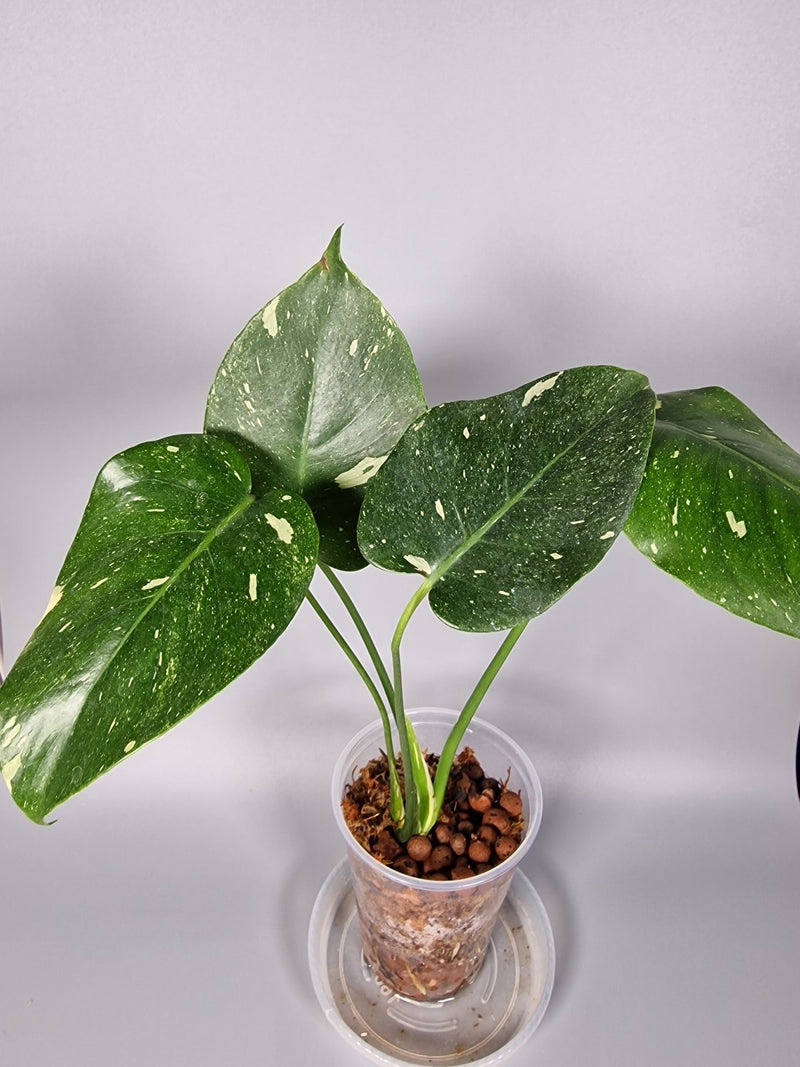
How to Care for Monstera Thai Constellation (Small Form) as It Matures Welcome to the fascinating world of rare houseplants, where the Monstera Thai Constellation stands out with its stunning variegated leaves. If you're a beginner or intermediate plant enthusiast, this guide will walk you through nurturing your Monstera Thai Constellation from a petite juvenile to a magnificent mature plant. Understanding Monstera Thai Constellation The Monstera Thai Constellation is a variegated form of the popular Monstera deliciosa. What makes it unique are the creamy-white variegation patterns that mimic a starry sky. As a cultivar developed in a lab, it combines the allure of rarity with the robust nature of the Monstera family, making it a prized possession in any plant collection. Initial Care for Young Plants Starting right with young Monsteras sets the foundation for a healthy, thriving plant. Here’s what you need to focus on: Light: Provide bright, indirect light. Too much direct sunlight can scorch the leaves, while too little can reduce variegation. Watering: Water when the top 2-3 inches of soil are dry. Ensure the pot has good drainage to avoid waterlogging. Humidity: Aim for 60% humidity. Use a humidifier or a pebble tray to maintain moisture around the plant. Soil: Use a well-draining, nutrient-rich potting mix. A combination of peat, perlite, and pine bark is ideal. Transitioning to Maturity As your Monstera Thai Constellation grows, it will need more than just basic care. Here's how to support its development: Potting Up: Repot every 2-3 years or when the roots start to outgrow the pot. Choose a container that's 2-3 inches larger in diameter than the current one. Support Structures: Provide a moss pole or trellis for support. Monsteras are climbing plants and will benefit from vertical support to encourage larger leaf growth. Pruning: Prune your plant in spring or early summer to promote branching and manage its size. Always use clean, sharp scissors. Fertilising: Feed with a balanced, water-soluble fertilizer every month during the growing season. Reduce feeding in the winter months. Advanced Care Techniques As your Monstera matures, consider these tips to keep it at its best: Leaf Cleaning: Gently wipe the leaves with a damp cloth to remove dust. This not only keeps the plant looking great but also improves photosynthesis. Pest Management: Keep an eye out for pests like spider mites and mealybugs. Use organic insecticidal soap or neem oil as a preventive measure. Variegation Maximisation: To maintain strong variegation, ensure ample light. Variegation can fade if the plant is kept too dark. Common Questions and Answers What should I do if the leaves start turning yellow? Yellow leaves can be a sign of overwatering or poor drainage. Check the moisture level in the soil and adjust your watering schedule accordingly. How often should I repot my Monstera Thai Constellation? Typically, repotting every 2-3 years is sufficient unless you see roots growing through the drainage holes, which indicates it's time for a larger pot. Can I propagate Monstera Thai Constellation from cuttings? Yes, you can propagate by taking stem cuttings that include at least one node and leaf. Place the cutting in water or moist soil until roots develop. Further Reading and Resources For more information on caring for other rare houseplants, check out these useful guides: How to Care for Monstera Thai Constellation and Avoid Common Mistakes How to Grow Variegated Plants Successfully in UK Homes The Best Way to Root Philodendron Cuttings With the right care and attention, your Monstera Thai Constellation will thrive and grow into a breathtaking feature in your home. Enjoy the journey of nurturing one of the most beautiful Monsteras available, and the rewards will be well worth the effort!

Read more

How to Care for Monstera ‘Thai Constellation’ and Avoid Common 2026 Mistakes

by Odd Leaf

How to Care for Monstera ‘Thai Constellation’ and Avoid Common 2026 Mistakes

How to Care for Monstera ‘Thai Constellation’ and Avoid Common 2026 Mistakes Among the myriad of rare houseplants, the Monstera 'Thai Constellation' stands out with its celestial splatter of creamy variegation against lush green leaves. This captivating variant of the traditional Monstera deliciosa requires specific care to thrive indoors. Here's a comprehensive guide on nurturing your Monstera 'Thai Constellation', coupled with tips to avoid common pitfalls that might creep up by 2026. Essential Care for Monstera 'Thai Constellation' 1. Lighting Monstera 'Thai Constellation' flourishes in bright, indirect light. It's crucial to avoid direct sunlight, which can scorch its variegated leaves, causing them to lose their unique patterning. An east-facing window that provides gentle morning light is ideal. For those with less natural light, consider using a grow light. 2. Watering Watering needs are moderate - allow the top few inches of soil to dry out before watering again. Overwatering can lead to root rot, so ensure your pot has good drainage. In contrast, under-watering can cause the plant to droop. A consistent watering schedule according to the season is key. 3. Humidity and Temperature Being a tropical plant, Monstera 'Thai Constellation' enjoys a humid environment. Aim for 60-80% humidity. Regular misting, a pebble tray, or a humidifier can help achieve this. Keep it away from drafts and maintain a temperature between 18-27°C for optimal growth. 4. Soil and Fertilisation Use a well-draining, peat-based potting mix. During the growing seasons of spring and summer, fertilise monthly with a balanced, water-soluble fertiliser. Reduce feeding in the colder months when plant growth naturally slows down. 5. Pruning and Maintenance Pruning is not often necessary, but do trim away any yellow or damaged leaves to keep your plant healthy and aesthetically pleasing. Dust the leaves regularly to ensure the plant can photosynthesise efficiently. Common Mistakes to Avoid in 2026 Overwatering: This is the quickest way to harm your Monstera. Always check the soil moisture before watering. Neglecting Light Needs: Insufficient light can lead to less variegation and leggy growth. Conversely, too much direct sunlight might bleach and damage the leaves. Ignoring Pests: Keep an eye out for signs of pests such as spider mites, thrips, and scale. Early detection and treatment are crucial. Frequently Asked Questions (FAQs) How often should I repot my Monstera 'Thai Constellation'? Repot every 2-3 years or when you see roots coming out of the drainage holes. Spring or early summer is the best time for repotting to allow the plant to recover and grow into the new space. Can Monstera 'Thai Constellation' be propagated? Yes, it can be propagated by stem cuttings. Ensure each cutting has at least one node and a few leaves. Root in water or directly into soil. Is Monstera 'Thai Constellation' toxic? Yes, like most Monsteras, the 'Thai Constellation' is toxic if ingested. Keep it out of reach of pets and children. Conclusion Caring for Monstera 'Thai Constellation' is a rewarding experience that enhances any indoor plant collection. With the right care, your Monstera will flourish, bringing a touch of the tropics and a sense of pride to your home or office. Embrace the journey of growing these rare houseplants, and enjoy the lush, vibrant growth they offer. For more tips on caring for other rare houseplants, explore our detailed guides on Philodendron, Syngonium, and Anthurium care.

Read more