Certified Plant Passports

100% Positive Feedback

5 Star Rating

Grown With Care

chevron_left chevron_right

Learn about all things houseplants

View

How to Care for Philodendron Pink Princess Marble When Patterns Shift

by Odd Leaf

How to Care for Philodendron Pink Princess Marble When Patterns Shift

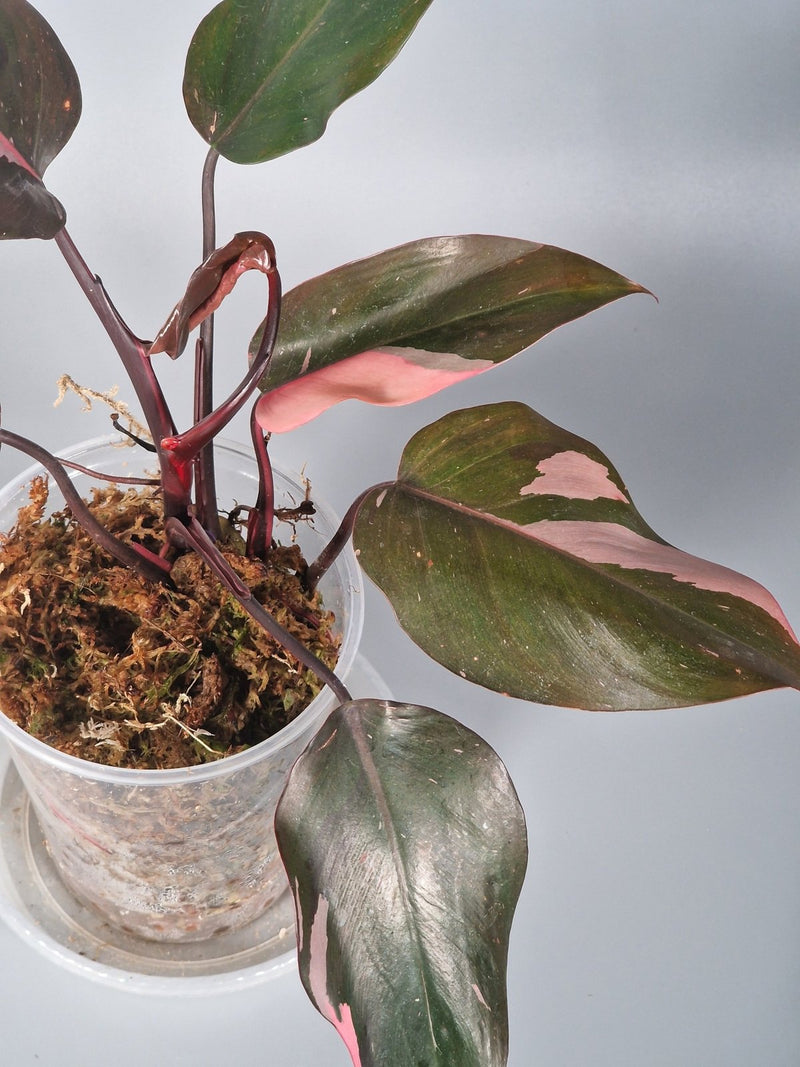
How to Care for Philodendron Pink Princess Marble When Patterns Shift Welcome to the fascinating world of Philodendron Pink Princess Marble, a stunning addition to any collection of rare houseplants. Known for its unique variegation and striking pink accents, this plant can sometimes present a challenge when its variegation patterns begin to shift. In this guide, we'll explore practical tips to help you maintain and potentially enhance the variegation of your Philodendron Pink Princess Marble. Understanding Pattern Shifts in Variegated Plants Variegation in plants like the Philodendron Pink Princess Marble can change due to several factors such as light exposure, nutrition, and even genetics. Understanding these influences can help you take proactive steps to care for your plant effectively. Optimal Lighting Conditions Bright, Indirect Light: Variegated plants often require more light than their non-variegated counterparts to maintain their unique colours. Place your Pink Princess Marble in a location where it can receive plenty of bright, indirect sunlight. Avoid direct sunlight, which can scorch its delicate leaves. Rotating the Plant: Regularly rotate your plant to ensure all sides receive equal light, promoting even growth and variegation. Nutrition and Soil Requirements Well-draining Soil: Use a well-draining potting mix designed for aroids. You can enhance a regular potting mix with perlite or orchid bark to increase drainage and aeration. Balanced Fertiliser: Feed your Philodendron Pink Princess Marble with a balanced, water-soluble fertiliser every 4-6 weeks during the growing season. Avoid over-fertilising, which can lead to lush green growth at the expense of variegation. Watering Practices Consistent watering is crucial, yet over-watering can be detrimental. Allow the top inch of soil to dry out between waterings. This plant prefers humidity but does not like to sit in wet soil, which can lead to root rot. Pruning and Maintenance Pruning can influence variegation: Encourage Variegation: If you notice your Pink Princess Marble producing more solid green leaves, consider pruning back some of these sections. This can encourage the plant to produce more variegated growth. Healthy Trimming: Regularly remove any yellow or dead leaves to keep your plant healthy and focus its energy on producing vibrant, variegated leaves. Monitoring and Adjustments Keep a close eye on your Philodendron Pink Princess Marble, especially if you notice significant changes in leaf colouration. Adjustments in care, particularly in lighting and feeding, can help stabilize and enhance variegation. FAQs What should I do if my Philodendron Pink Princess Marble loses its pink variegation? Enhance light exposure moderately and consider adjusting your fertilisation routine. However, be cautious of too much direct sunlight, which can damage the leaves. Can I propagate the cuttings to ensure more variegated plants? Yes, propagating from a variegated section increases the chances of maintaining variegation in new plants. For tips on propagation, check out this detailed guide. Conclusion Caring for a Philodendron Pink Princess Marble is a delightful challenge that rewards you with its breathtaking beauty. With the right care, you can enjoy the dynamic and vibrant variegation that makes this plant a prized piece in any collection of rare houseplants. For more tips on caring for other rare houseplants, explore our blog posts that cover everything from basic care to advanced cultivation techniques.

Read more

How to Care for Philodendron Strawberry Shake as Variegation Evolves in 2026

by Odd Leaf

How to Care for Philodendron Strawberry Shake as Variegation Evolves in 2026

How to Care for Philodendron Strawberry Shake as Variegation Evolves in 2026 Welcome to the vibrant world of Philodendron Strawberry Shake, a stunning member of the rare houseplants family that captivates with its unique colour palette. As we move into 2026, understanding the evolving nature of its variegation is key to maintaining its beauty and health. Whether you're a beginner or an intermediate plant enthusiast, this guide will provide practical and detailed insights into caring for your Philodendron Strawberry Shake. Understanding Philodendron Strawberry Shake The Philodendron Strawberry Shake is renowned for its dynamic variegation, featuring shades of green, pink, and sometimes even creamy yellow. Each leaf is a canvas, displaying a unique pattern that can change with environmental factors and age. Optimal Growing Conditions To ensure your Philodendron Strawberry Shake thrives, consider the following environmental conditions: Light: Bright, indirect light is ideal. Too much direct sunlight can scorch the leaves, while too little can reduce the vibrancy of its variegation. Water: Water when the top inch of soil feels dry. Ensure good drainage to prevent root rot. Humidity: Aim for 60-80% humidity. Consider using a humidifier or placing the plant on a water-filled pebble tray to increase ambient humidity. Temperature: Keep the temperature between 18-24°C. Avoid draughts and sudden temperature fluctuations. Nutrition and Soil Requirements Feeding your Philodendron Strawberry Shake with the right nutrients and planting it in the correct soil mix are crucial: Soil Mix: Use a well-draining potting mix, ideally one that includes perlite, orchid bark, and peat. This will support root health and moisture retention. Fertiliser: Apply a balanced, water-soluble fertiliser monthly during the growing season. Reduce feeding in the winter months. Maintaining Variegation Over Time Variegation in Philodendron Strawberry Shake can fluctuate, influenced by several factors: Light Exposure: Variegation can become more pronounced with adequate light. If the plant starts to lose its variegated patterns, consider adjusting its light exposure. Pruning: Regularly prune older or less variegated leaves to encourage new growth with more vibrant variegation. Propagation: Propagate from stem cuttings to potentially enhance variegation in new plants. Common Challenges and Solutions Here are some common issues you might face along with their solutions: Leaf Burn: If leaves display signs of burn, move your plant away from direct sunlight. Fading Variegation: Increase light exposure gradually, but avoid direct sunlight. Pests: Keep an eye out for spider mites and scale. Treat infestations early with neem oil or insecticidal soap. FAQs How often should I repot my Philodendron Strawberry Shake? Repot every 2-3 years or when the plant outgrows its pot. Choose a pot only slightly larger than the previous one to prevent overwatering issues. Can I use tap water to water my Philodendron Strawberry Shake? It's best to use distilled or rainwater, as tap water can sometimes contain minerals that build up in the soil and affect plant health. Why is my Philodendron Strawberry Shake dropping leaves? This can be a sign of overwatering, under watering, or low humidity. Adjust your care routine accordingly and monitor the plant's response. Further Reading and Resources For more in-depth information on caring for other rare houseplants, check out these articles: How to Care for Philodendron Pink Princess and Control Variegation in 2026 How to Grow Variegated Plants Successfully in UK Homes Why Rare Houseplants Fail in Winter UK Homes and How to Prevent It Your Philodendron Strawberry Shake is a living work of art, and with the right care, it will continue to flourish and dazzle. Enjoy the journey of nurturing one of the most beautiful rare houseplants!

Read more

How to Care for Philodendron ‘Caramel Marble’ Without Colour Reversion

by Odd Leaf

How to Care for Philodendron ‘Caramel Marble’ Without Colour Reversion

How to Care for Philodendron ‘Caramel Marble’ Without Colour Reversion As a rare houseplant enthusiast, you may have stumbled upon the stunning Philodendron ‘Caramel Marble’, known for its unique, swirling patterns of caramel and deep green. However, maintaining its distinctive variegation can be a challenge, particularly in preventing colour reversion. This guide will provide practical tips to nurture your Philodendron ‘Caramel Marble’, ensuring it retains its vibrant, marbled appearance. Understanding Colour Reversion Colour reversion occurs when a variegated plant starts to produce more chlorophyll, leading its lighter areas to turn green. This can diminish the plant's variegated appeal. For Philodendron ‘Caramel Marble’, preserving the balance between the caramel and green hues is essential for maintaining its aesthetic value. Optimal Lighting Conditions Light is a pivotal factor in the care of ‘Caramel Marble’. Here’s how to get it right: Bright, Indirect Light: Position your plant where it can receive plenty of bright, indirect sunlight. Too much direct sun can scorch the leaves, whereas too little light can cause reversion to darker green hues. Consistent Exposure: Rotate your plant regularly to ensure even light distribution, which helps maintain uniform variegation. Watering and Humidity Proper watering and humidity levels are crucial to prevent stress, which can exacerbate colour reversion. Watering: Water when the top inch of soil feels dry. Ensure the pot has good drainage to avoid waterlogging, which can lead to root rot. Humidity: Aim for 60-80% humidity. Use a humidifier or place a water tray near the plant to increase ambient moisture. Nutrition and Soil The right soil mix and nutrients support healthy growth and variegation. Soil Mix: Use a well-draining, aerated potting mix. A mixture of peat, perlite, and orchid bark is ideal. Fertilisation: Feed with a balanced, water-soluble fertilizer bi-monthly during the growing season. Avoid over-fertilization, which can lead to lush green growth at the expense of variegation. Pruning and Maintenance Regular maintenance can help manage and even improve variegation: Pruning: Trim any all-green shoots as they appear. This encourages the plant to produce more variegated growth. Cleaning: Wipe leaves with a damp cloth to remove dust and enhance light absorption, promoting healthy variegation. FAQs What should I do if my Philodendron ‘Caramel Marble’ starts reverting? Prune back the predominantly green growth as soon as you notice it. This helps the plant focus its energy on maintaining its variegated parts. Can I use artificial lights for my Philodendron? Yes, if natural light is insufficient, LED grow lights are an excellent alternative. Ensure the light is not too intense to avoid leaf burn. Is the Philodendron ‘Caramel Marble’ pet-safe? No, like many philodendrons, it is toxic if ingested. Keep it out of reach of pets and children. Additional Resources For more insights on caring for rare houseplants, consider exploring these articles: How to Grow Variegated Plants Successfully in UK Homes Philodendron Melanochrysum vs. Gloriosum: What's the Difference? How to Identify and Treat Common Philodendron Problems For a selection of other rare and beautiful Philodendrons, visit our collection page. By following these guidelines, your Philodendron ‘Caramel Marble’ should thrive and display its beautiful variegation for years to come. Happy planting!

Read more

How to Care for Philodendron ‘White Princess’ Without Browning White Areas

by Odd Leaf

How to Care for Philodendron ‘White Princess’ Without Browning White Areas

How to Care for Philodendron ‘White Princess’ Without Browning White Areas As a rare houseplant enthusiast, the Philodendron 'White Princess' is a gem in any collection. Its striking white variegations set against dark green foliage make it a standout among philodendrons. However, maintaining those pristine white areas without them turning brown can be a challenge, especially for beginners. Here’s a practical guide to keep your 'White Princess' looking regal. Understanding Your Philodendron 'White Princess' The 'White Princess' is a part of the vast Philodendron genus known for their ease of care and beautiful foliage. The white variegation in the 'White Princess' is less chlorophyll than the green parts of the leaves, making them more sensitive to environmental factors. Optimal Lighting Light is a crucial factor in maintaining the health and variegation of your 'White Princess'. Here’s how to get it right: Bright, Indirect Light: Place your plant in a location where it can receive plenty of bright, indirect sunlight. Too much direct sun can scorch the delicate white parts, while too little will cause them to fade. Rotate Regularly: To ensure even growth and variegation, rotate your plant every few weeks to expose all sides to light evenly. Watering and Humidity Watering plays a pivotal role in preventing the white areas from browning. Here's how to water properly: Check the Soil: Before watering, check the top inch of the soil; if it’s dry, it’s time to water. If it’s still moist, wait a few days. Water Thoroughly: When you water, do so thoroughly until water runs out of the drainage holes. This method ensures that the roots are adequately moistened. Avoid Overwatering: Ensure the pot has good drainage to prevent water from sitting at the bottom, which can lead to root rot and leaf browning. Feeding Your Philodendron 'White Princess' Fertilization can help maintain vibrant variegation: Use a Balanced Fertilizer: Opt for a balanced, water-soluble fertilizer diluted to half the recommended strength. Fertilize Bi-monthly: During the growing season (spring and summer), fertilize every other month to support growth without overwhelming your plant. Preventing and Treating Browning If the white areas of your plant do start to brown, here’s what you can do: Trim Affected Areas: Prune away brown or dead leaves to prevent the spread and to encourage new growth. Adjust Care: Review your care routine, focusing on improving lighting and watering practices as these are often the culprits of browning. Common Questions About Philodendron 'White Princess' Why are the white parts of my Philodendron 'White Princess' turning yellow? This can be a sign of too much direct sunlight or overwatering. Move your plant to a shadier spot and adjust your watering schedule accordingly. How often should I repot my Philodendron 'White Princess'? Repotting every 2-3 years or when you see roots coming out of the drainage holes is ideal. This refreshes the soil and gives roots new room to grow. Can I use tap water to water my plant? Philodendrons can be sensitive to fluoride and other chemicals in tap water. It is better to use filtered or rainwater if possible. With these tips, your Philodendron 'White Princess' should thrive, keeping its marvellous variegation intact. Remember, each plant has its unique traits and might require slight adjustments in care. Monitor your plant’s response and adapt accordingly. For more tips on caring for rare houseplants, check out our detailed guides. Happy planting!

Read more

How to Propagate a Philodendron in Water or Soil - Odd Leaf

by Odd Leaf

How to Propagate a Philodendron in Water or Soil

How to Propagate a Philodendron in Water or Soil Philodendrons are among the most popular rare houseplants cherished for their lush foliage and adaptability. If you're keen to expand your collection or share with fellow enthusiasts, propagating a philodendron is a rewarding project. This guide will walk you through the steps of propagating philodendrons in water and soil, making it easy for beginners and informative for intermediate plant lovers. Understanding Philodendron Propagation Propagation involves creating new plants from cuttings of an existing plant. Philodendrons can be propagated by stem cuttings either in water or directly in soil. Both methods are effective, so you can choose based on your comfort level and the supplies you have on hand. Tools and Materials Needed Sharp, clean scissors or pruning shears Clear glass jar or vase (for water propagation) Pot with drainage holes (for soil propagation) Fresh potting soil, preferably a mix suitable for aroids Rooting hormone (optional) Propagating Philodendron in Water Water propagation is not only effective but also allows you to observe the rooting process, which can be quite engaging. Step-by-Step Guide: Choose a Stem: Select a healthy stem with at least two to three leaves and nodes (where leaves attach to the stem). Make the Cut: Cut just below a node using clean, sharp scissors. A 4-6 inch cutting is ideal. Remove Lower Leaves: Strip any leaves that would sit below the water level in your container. Submerge the Node: Place the cutting in a glass jar filled with water, ensuring the node is submerged, and the leaves are not. Place in Appropriate Light: Set the jar in a location with bright, indirect sunlight. Change Water Regularly: Refresh the water once a week to prevent bacterial growth. Wait for Roots: Roots should begin to form within 2-4 weeks. Once they’re a few inches long, they are ready to pot in soil. Propagating Philodendron in Soil Propagating directly in soil can be quicker than water propagation since the roots adapt immediately to their growing medium. Step-by-Step Guide: Prepare the Cutting: Follow the same steps as above for selecting and preparing your cutting. Dip in Rooting Hormone: This step is optional but can encourage quicker root development. Plant the Cutting: Plant the cutting in moist soil, making sure the node is buried beneath the soil surface. Ensure Proper Humidity: Cover the pot with a plastic bag to create a humid environment, which helps roots develop. Place in Indirect Sunlight: Keep the pot in a warm area with bright, indirect light. Monitor Moisture: Keep the soil consistently moist but not soggy. Check weekly until you feel resistance when slightly tugging on the plant, indicating root formation. Aftercare Tips Once your philodendron has established roots and begins to show new growth, follow these aftercare tips to ensure your new plant thrives: Gradually acclimate your plant to less humid conditions by opening the plastic bag progressively over a week. Feed with a balanced, water-soluble fertilizer every month during the growing season. Re-pot when the plant outgrows its pot or the roots become crowded. Frequently Asked Questions Can I propagate any philodendron species this way? Yes, most philodendron species can be propagated from stem cuttings in water or soil. However, some rare varieties may have specific needs. How long does it take for a philodendron cutting to root in soil? It typically takes 2-6 weeks for philodendron cuttings to root in soil, depending on environmental conditions and care. Is it better to propagate in water or soil? Both methods work well, but water propagation allows you to see the roots grow and adjust care more easily, which might be more satisfying for beginners. Propagating philodendrons can be a delightful way to expand your collection of philodendrons or other rare houseplants. With patience and care, you can enjoy the fruits of your labour through beautiful new plants that bring life and greenery to your home. Happy propagating!

Read more

Top 7 Reasons Your Philodendron Isn’t Growing - Odd Leaf

by Odd Leaf

Top 7 Reasons Your Philodendron Isn’t Growing

Top 7 Reasons Your Philodendron Isn’t Growing Philodendrons, with their lush, green foliage, are a staple in many plant collections, especially among enthusiasts of rare houseplants. However, sometimes these robust plants can suddenly stop growing. If your philodendron has been looking a bit lackluster, here are seven potential reasons why and how you can encourage it back to health. 1. Inadequate Light Light is a fundamental aspect of plant growth. Philodendrons thrive in bright, indirect sunlight. Too little light can lead to slowed growth and smaller leaves, while too much direct sunlight can cause leaf burn. To remedy this: Position your philodendron where it can receive filtered sunlight, such as near a window with sheer curtains. If natural light is limited, consider using grow lights. 2. Improper Watering Both overwatering and underwatering can stress your philodendron, leading to poor growth. Philodendrons prefer their soil to be consistently moist but not soggy. Tips for proper watering include: Water when the top inch of soil feels dry to the touch. Ensure the pot has good drainage to prevent water from sitting at the roots. 3. Nutrient Deficiencies Lack of essential nutrients can stifle your philodendron's growth. Regular feeding during the growing seasons (spring and summer) can make a big difference. Use a balanced, water-soluble fertilizer every four to six weeks. If you notice yellowing leaves or stunted growth, it might be time to replenish the soil or consider a foliar feed. 4. Pot Size and Root Bound A pot that's too small can restrict your plant's root system, which can severely impact its growth. If your philodendron's growth has stalled, check if it's root-bound by gently removing it from its pot. If you see roots circling tightly around the soil, it's time to repot into a slightly larger container. 5. Humidity and Temperature Philodendrons are tropical plants, so they flourish in warm and humid environments. If your home is too dry or experiences drastic temperature fluctuations, this could be stressing your plant. Try to maintain a room temperature between 18-25°C and increase humidity with a humidifier or by placing a water tray near your plant. 6. Pests and Diseases Pests like spider mites, mealybugs, and aphids can hinder your philodendron's growth by sapping vital nutrients from the leaves. Regularly inspect your plant for signs of infestation and treat promptly with insecticidal soap or neem oil. Also, watch out for common diseases such as root rot, which is often caused by overwatering. 7. Poor Soil Quality The right soil mix can make a significant difference in the health of your philodendron. These plants prefer a well-draining, nutrient-rich soil. Consider mixing in perlite or vermiculite to improve drainage and aeration. Refreshing the soil every couple of years can also help maintain nutrient levels. FAQs About Growing Philodendrons Q: How often should I repot my philodendron? A: Generally, repotting every 2-3 years or when the plant becomes root-bound is recommended. Q: Can philodendrons grow in artificial light? A: Yes, philodendrons can thrive under grow lights, especially if natural sunlight is insufficient. Q: Are philodendrons toxic to pets? A: Yes, philodendrons can be toxic if ingested. It's best to keep them out of reach of pets and children. For pet-safe options, check out this article. Understanding the specific needs of your philodendron can transform it from stagnant to thriving. With the right care, these beautiful rare houseplants can be a lush, vibrant part of your indoor garden. For more tips on caring for other types of rare houseplants, explore our full collection.

Read more