
by Odd Leaf
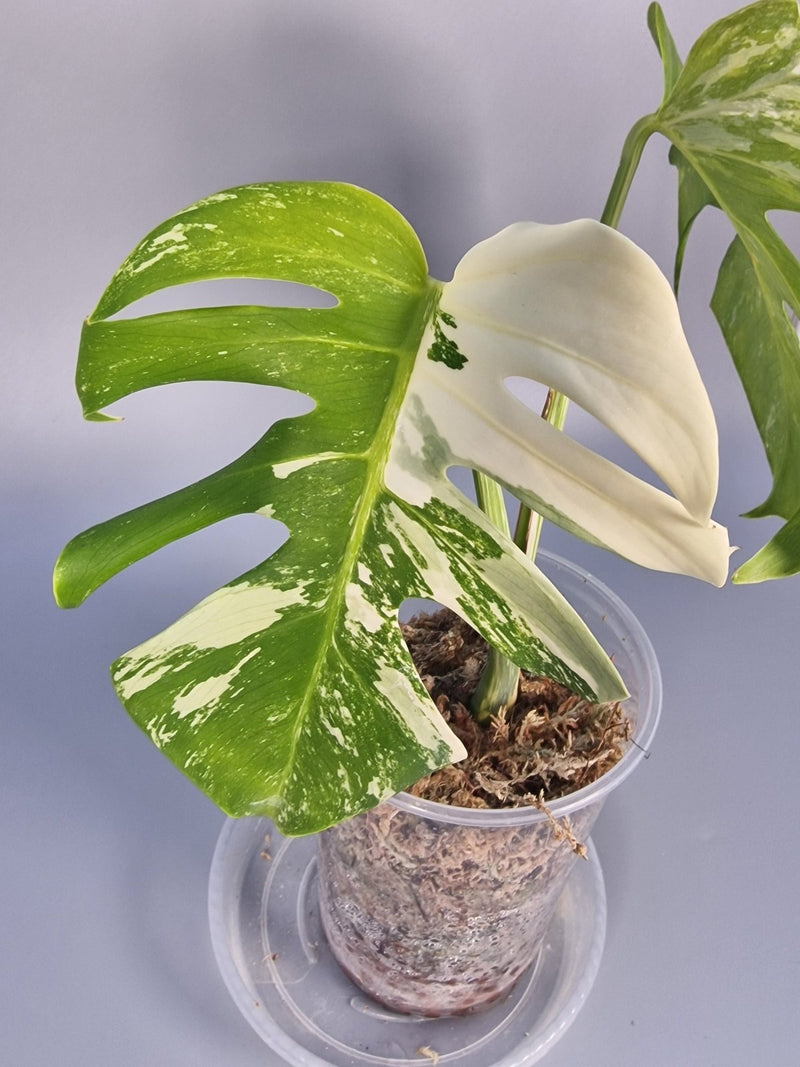
How to Grow and Care for Monstera Albo
Master Monstera Albo care with our expert tips on growing this striking rare houseplant at home.
by Odd Leaf
How to Grow and Care for Monstera Albo
Master Monstera Albo care with our expert tips on growing this striking rare houseplant at home.
by Odd Leaf
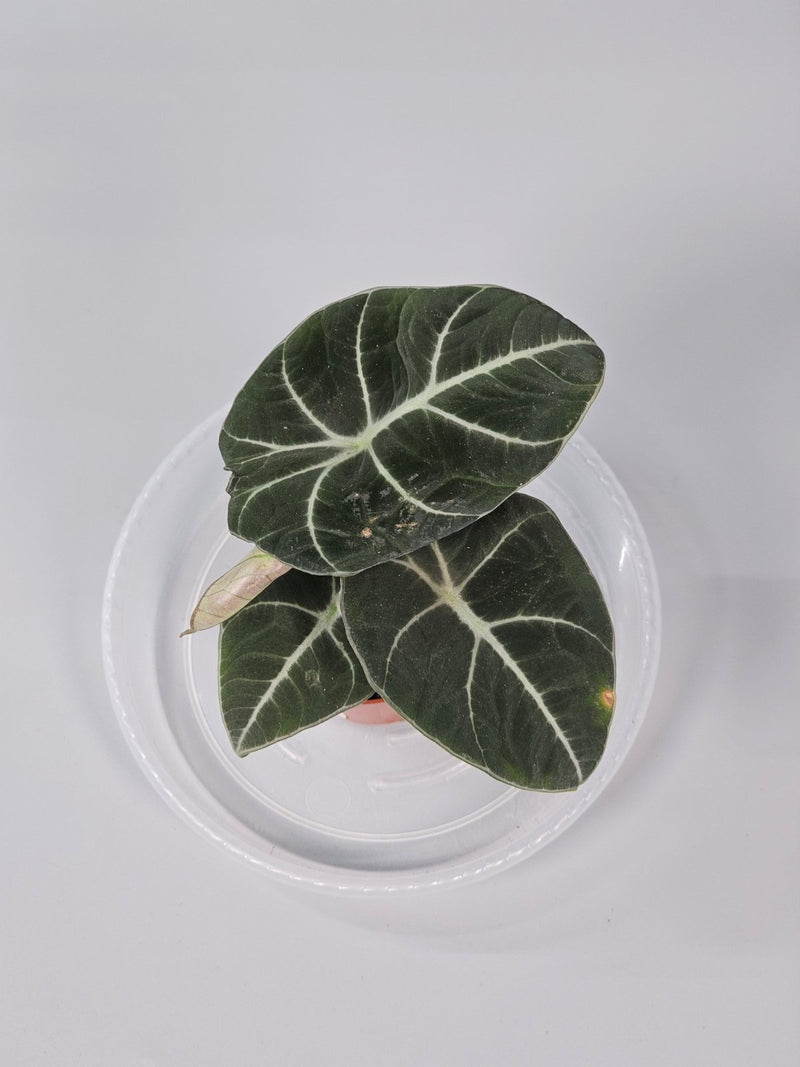
How to Water Alocasia Without Overwatering
How to Water Alocasia Without Overwatering Welcome to the verdant world of Alocasia, a genus of broad-leaved rhizomatous or tuberous perennials from the family Araceae. Known for their striking foliage and architectural beauty, these plants are a staple in collections of rare houseplants. However, their care can be a tad tricky, especially when it comes to watering. Let’s dive into the essentials of how to water your Alocasia properly, ensuring it thrives without the peril of overwatering. Understanding Alocasia's Water Needs Alocasia plants require a balance of moisture to support their lush foliage yet are susceptible to root rot if overwatered. The key is maintaining a consistent watering schedule that adapts to the changing conditions of your home environment and the seasons. When to Water Your Alocasia Check the soil moisture: Before watering, check the top two inches of soil with your finger. If the soil feels nearly dry, it’s time to water. During the winter, allow the soil to dry out a little more between waterings. Consider the humidity: Alocasia thrives in high humidity. In drier environments, they may need more frequent watering to compensate. Seasonal adjustments: Reduce watering in the colder months when plant growth naturally slows down. How to Water Alocasia Proper watering technique is crucial to prevent issues like root rot. Here's how to water your Alocasia the right way: Use lukewarm water: Cold water can shock the roots, so always use lukewarm water. Water evenly: Pour water around the base of the plant until it begins to drain out of the bottom of the pot. Ensure the water spreads evenly through the potting mix. Let it drain: Never let your Alocasia sit in water. Ensure excess water can drain freely from the pot to avoid soggy soil conditions. Tips to Avoid Overwatering Tip Explanation Choose the right pot Use a pot with adequate drainage holes. Terracotta pots are ideal as they absorb excess moisture. Monitor water intake Adjust your watering schedule based on the season and indoor climate. Use a moisture meter for more precise monitoring. Improve air circulation Good airflow helps soil dry more evenly and reduces the risk of fungal diseases. Frequently Asked Questions How often should I water my Alocasia? This depends on factors like humidity, temperature, and light. Generally, watering once a week is adequate. Always check the soil moisture before watering. What are the signs of overwatering? Yellowing leaves, limp stems, and a musty smell from the soil can all indicate overwatering. Can I mist my Alocasia? Yes, Alocasia plants appreciate humidity. Regular misting can help meet their humidity needs, especially in dry environments. Conclusion Mastering the art of watering your Alocasia can significantly impact its health and growth. By understanding its water needs and adjusting your care routine accordingly, you can enjoy the lush, dramatic foliage of this beloved genus without the worry of overwatering. Remember, each Alocasia may have slightly different needs, so observe your plant closely and adjust as needed. For more tips on caring for other rare houseplants, check out our detailed guides on Philodendron, Anthurium, and more.
by Odd Leaf
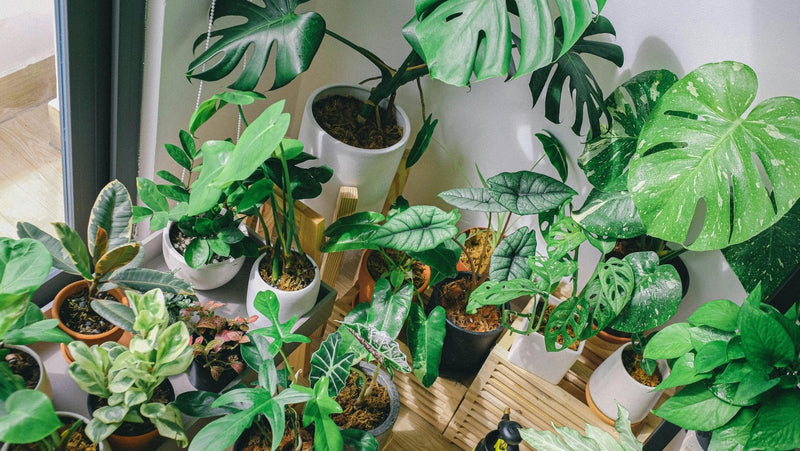
Rare Houseplants for Beginners: Low Maintenance, High Impact
Rare Houseplants for Beginners: Low Maintenance, High Impact Embarking on the journey of indoor gardening can be both exciting and overwhelming, especially when you dive into the world of rare houseplants. These plants not only add a unique touch to your home decor but also bring the joy of nurturing something truly special. For beginners, the key is to start with species that are as forgiving as they are beautiful. This guide will introduce you to some low-maintenance, high-impact rare houseplants perfect for those just starting their indoor garden adventure. Why Choose Rare Houseplants? Rare houseplants can transform an ordinary room into a lush oasis. They often feature striking appearances and unusual textures that regular houseplants simply don't offer. Owning rare plants also gives you a chance to learn about exotic species and their native environments, adding an educational element to your gardening practice. Top Rare Houseplants for Beginners Here’s a list of some beginner-friendly, rare houseplants that promise to make a statement without requiring too much fuss: Monstera Adansonii (Swiss Cheese Plant): Known for its distinctive leaf holes, this plant is a tropical showstopper that thrives in indirect light and requires only moderate watering. Learn more about caring for Monsteras here. Philodendron Birkin: With its stunning variegated leaves, the Philodendron Birkin grows well in low-light conditions and is relatively drought-tolerant. More on Philodendron care here. Anthurium Clarinervium: This plant features heart-shaped velvet leaves and is perfect for adding texture to your indoor garden. It prefers bright, indirect light and occasional watering. Discover Anthuriums here. Syngonium Albo Variegata: A stunning variety with white variegation, it’s easy to care for and can adapt to various lighting conditions. Explore more about Syngoniums here. Care Tips for Rare Houseplants Plant Light Requirements Watering Extra Tip Monstera Adansonii Indirect, bright light Once a week Mist occasionally to imitate humidity Philodendron Birkin Low to moderate light When soil feels dry Use a well-draining pot Anthurium Clarinervium Bright, indirect light Keep soil evenly moist Provide a warm environment Syngonium Albo Variegata Low to bright indirect light Every 7-10 days Prune to encourage bushier growth Frequently Asked Questions What is the easiest rare houseplant to take care of for a beginner? The Philodendron Birkin is generally considered one of the easiest rare houseplants to care for, thanks to its adaptability to various lighting conditions and its moderate watering needs. How often should I water my rare houseplants? Watering frequency depends on the specific plant, but a good rule of thumb is to check the topsoil. If the top inch of soil is dry, it’s time to water your plant. Can rare houseplants survive in low light? Some rare houseplants like the Philodendron Birkin can survive in low light. However, make sure to research each plant's specific light requirements for optimal growth. Conclusion Starting with rare houseplants doesn't have to be daunting. By choosing the right plants and understanding their basic needs, even beginners can enjoy the beauty and satisfaction that come from growing these exotic beauties. Remember, every plant has its own personality, so take the time to understand and nurture your green friends, and they will thrive under your care. Happy planting!
by Odd Leaf
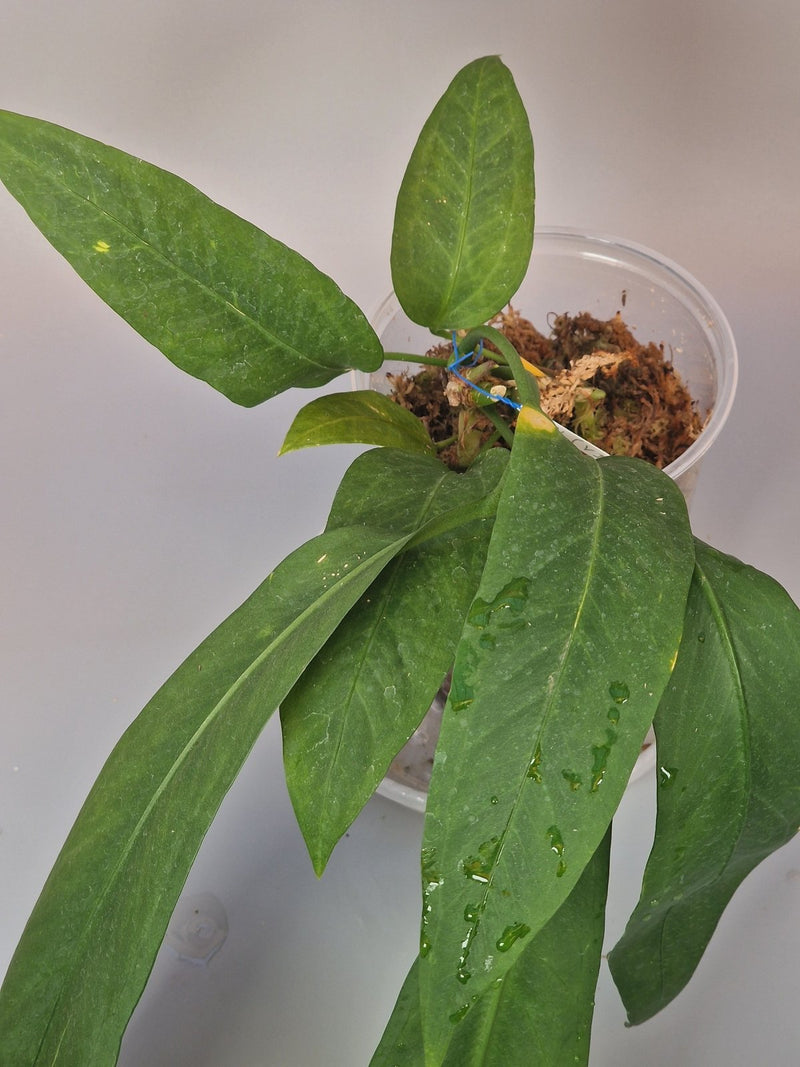
The Ultimate Anthurium Care Guide for Beginners
The Ultimate Anthurium Care Guide for Beginners Welcome to your comprehensive guide on caring for Anthuriums, one of the most stunning and popular rare houseplants. Known for their vibrant, waxy flowers and lush green leaves, Anthuriums can bring a touch of the tropics into your home. Whether you’re a novice or somewhat experienced in the indoor plant arena, this guide will equip you with all you need to know to keep your Anthurium thriving. Understanding Your Anthurium Anthuriums, also referred to as Flamingo Flowers, are part of a large genus of around 1,000 species, typically found in the rainforests of Central and South America. Their appeal in home decor comes from their bright spathes and ornamental leaves. For beginners, understanding the basic needs of these plants is the first step to successful care. Optimal Growing Conditions To mimic their natural habitat, you’ll need to ensure the right balance of light, temperature, and humidity: Light: Anthuriums prefer bright, indirect light. Avoid direct sunlight as it can scorch their leaves. A spot near a window with a sheer curtain is ideal. Temperature: Keep your plant in a warm environment — ideally between 20°C to 28°C. Avoid draughty areas. Humidity: These tropical plants thrive in high humidity. Aim for 60-80% humidity. Regular misting, a humidity tray, or a room humidifier can help achieve this. Watering and Feeding Proper watering is crucial for Anthuriums: Water: Water your Anthurium when the top inch of soil feels dry. Overwatering can lead to root rot, so ensure your pot has good drainage. Fertilizer: Feed your Anthurium with a balanced, water-soluble fertilizer every other month during the growing season. Reduce feeding in the winter when plant growth naturally slows. Common Issues and Solutions Keep an eye out for these common issues that can affect your Anthurium: Problem Symptom Solution Overwatering Yellowing leaves, root rot Reduce watering, improve drainage Underwatering Dry, curling leaves Water more frequently Low Humidity Brown leaf tips Increase humidity via misting or a humidifier Propagation Propagating Anthuriums can be a fun way to expand your collection: Choose a healthy, mature plant. Carefully remove the plant from its pot and separate a section of the root that includes at least one leaf and root. Plant the section in fresh potting mix and water it well. Keep the new plant in a warm, humid environment with indirect light. Styling with Anthuriums Anthuriums can add a splash of colour to any room. Here are a few styling tips: Use a decorative pot that complements your home decor. Group with other tropical plants like Philodendrons or Monsteras for a mini indoor jungle. Place in a bright bathroom to naturally take advantage of high humidity levels. Frequently Asked Questions How often should I repot my Anthurium? Repot your Anthurium every 2-3 years or if you notice it becoming root-bound. Can Anthuriums handle low light conditions? While they tolerate low light, they won't flower well. Bright, indirect light is best. Are Anthuriums toxic to pets? Yes, they can be toxic if ingested. Keep them out of reach of pets and children. With these tips and regular care, your Anthurium should thrive, bringing vibrant colour and a tropical feel to your home. For more information on caring for other rare houseplants, be sure to check our dedicated articles.