
Certified Plant Passports

100% Positive Feedback

5 Star Rating

Grown With Care

chevron_left chevron_right

Learn about all things houseplants

View

Everything You Need to Know About Plant Nodes

by Odd Leaf

Everything You Need to Know About Plant Nodes

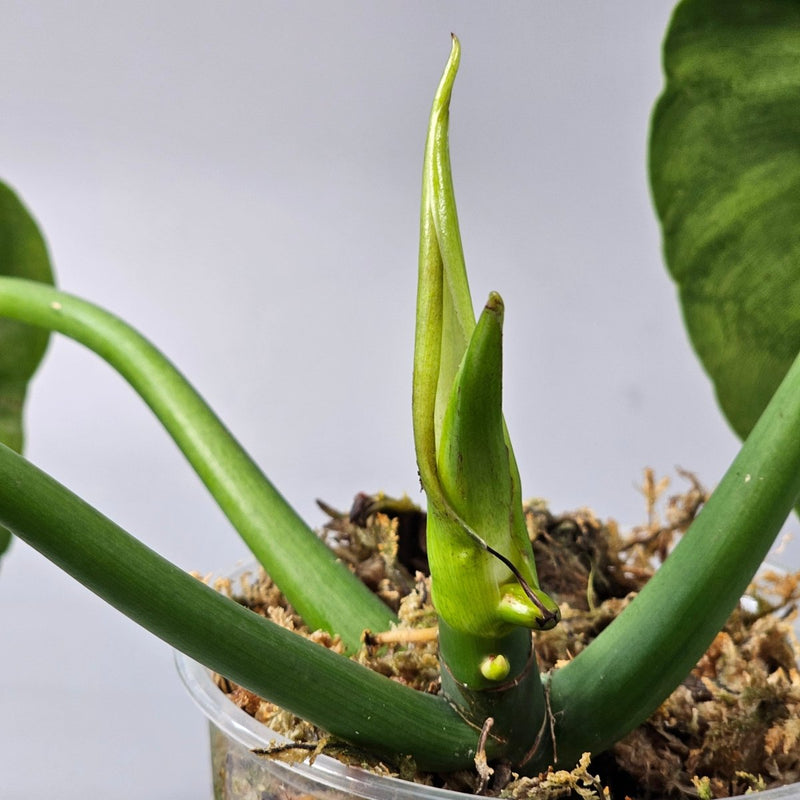
Everything You Need to Know About Plant Nodes Understanding the anatomy of your houseplants is crucial for their care and propagation, particularly when you are dealing with rare houseplants. One of the most vital parts of a plant’s anatomy is the node. In this blog post, we’ll explore what nodes are, their importance, and how you can use this knowledge to better care for your plants. What is a Plant Node? A node is a point along the stem of a plant from which leaves, branches, and aerial roots grow out. It is a crucial part of the plant's growth and development because it is where new life begins in the form of new shoots or roots. Nodes are easy to spot as they often have visible leaf scars or the base of leaves or branches. Why are Nodes Important? Nodes are critical for plant propagation, especially in stem cuttings. When propagating plants, a piece of the stem including at least one or two nodes is essential for successful root development. Additionally, understanding node placement can help you prune your plants more effectively, encouraging healthier growth and shaping the plant aesthetically. Identifying Nodes in Different Plant Types Monstera: Often easy to spot, nodes on Monstera plants are thickened segments of the stem from where aerial roots grow. Check out our Monstera collection for examples. Philodendron: Similar to Monstera, Philodendron nodes are marked by scars left by fallen leaves or by the beginnings of aerial roots. Visit our Philodendron collection to see more. Epipremnum: Nodes on Epipremnum, or Pothos, are often swollen and can be found along the stem, alternating with the leaves. Learn more about them in our Epipremnum collection. How to Propagate Using Nodes Select the Cutting: Choose a healthy section of the stem that includes at least two nodes. Cut: Use a clean, sharp pair of scissors or pruning shears to cut just below a node. This area is where the new roots will sprout. Root: Place the cutting in water or a moist soil mix, ensuring at least one node is submerged or buried. Roots should begin to form within a few weeks. Plant: Once the roots have developed, plant the cutting in a suitable potting mix and care for it as you would a mature plant. FAQs How often should I water my propagated cuttings? Water enough to keep the soil moist, but not waterlogged. Overwatering can cause rot, particularly at the node. For more detailed information, read our guide on how often to water rare houseplants. Can all plants be propagated from nodes? Most plants with stems can be propagated from nodes, but some might require different methods like leaf cuttings or division. Check the specific care guide for your plant. What should I do if the node rots during propagation? This usually indicates too much moisture. Allow the cutting to dry out slightly and cut back to a healthy part of the stem if necessary. For more troubleshooting tips, see our article on common mistakes new rare plant owners make and how to avoid them. Understanding and identifying nodes can significantly impact your success with growing and propagating rare houseplants. Whether you’re a beginner or an experienced plant enthusiast, mastering this aspect of plant care can enhance your gardening skills and help you build a thriving indoor garden. For more tips on caring for your rare houseplants, explore our blog section or visit our comprehensive guides on specific species such as rooting Philodendron cuttings and growing Epipremnum Pinnatum.
Read more

How to Propagate a Philodendron in Water or Soil - Odd Leaf

by Odd Leaf

How to Propagate a Philodendron in Water or Soil

How to Propagate a Philodendron in Water or Soil Philodendrons are among the most popular rare houseplants cherished for their lush foliage and adaptability. If you're keen to expand your collection or share with fellow enthusiasts, propagating a philodendron is a rewarding project. This guide will walk you through the steps of propagating philodendrons in water and soil, making it easy for beginners and informative for intermediate plant lovers. Understanding Philodendron Propagation Propagation involves creating new plants from cuttings of an existing plant. Philodendrons can be propagated by stem cuttings either in water or directly in soil. Both methods are effective, so you can choose based on your comfort level and the supplies you have on hand. Tools and Materials Needed Sharp, clean scissors or pruning shears Clear glass jar or vase (for water propagation) Pot with drainage holes (for soil propagation) Fresh potting soil, preferably a mix suitable for aroids Rooting hormone (optional) Propagating Philodendron in Water Water propagation is not only effective but also allows you to observe the rooting process, which can be quite engaging. Step-by-Step Guide: Choose a Stem: Select a healthy stem with at least two to three leaves and nodes (where leaves attach to the stem). Make the Cut: Cut just below a node using clean, sharp scissors. A 4-6 inch cutting is ideal. Remove Lower Leaves: Strip any leaves that would sit below the water level in your container. Submerge the Node: Place the cutting in a glass jar filled with water, ensuring the node is submerged, and the leaves are not. Place in Appropriate Light: Set the jar in a location with bright, indirect sunlight. Change Water Regularly: Refresh the water once a week to prevent bacterial growth. Wait for Roots: Roots should begin to form within 2-4 weeks. Once they’re a few inches long, they are ready to pot in soil. Propagating Philodendron in Soil Propagating directly in soil can be quicker than water propagation since the roots adapt immediately to their growing medium. Step-by-Step Guide: Prepare the Cutting: Follow the same steps as above for selecting and preparing your cutting. Dip in Rooting Hormone: This step is optional but can encourage quicker root development. Plant the Cutting: Plant the cutting in moist soil, making sure the node is buried beneath the soil surface. Ensure Proper Humidity: Cover the pot with a plastic bag to create a humid environment, which helps roots develop. Place in Indirect Sunlight: Keep the pot in a warm area with bright, indirect light. Monitor Moisture: Keep the soil consistently moist but not soggy. Check weekly until you feel resistance when slightly tugging on the plant, indicating root formation. Aftercare Tips Once your philodendron has established roots and begins to show new growth, follow these aftercare tips to ensure your new plant thrives: Gradually acclimate your plant to less humid conditions by opening the plastic bag progressively over a week. Feed with a balanced, water-soluble fertilizer every month during the growing season. Re-pot when the plant outgrows its pot or the roots become crowded. Frequently Asked Questions Can I propagate any philodendron species this way? Yes, most philodendron species can be propagated from stem cuttings in water or soil. However, some rare varieties may have specific needs. How long does it take for a philodendron cutting to root in soil? It typically takes 2-6 weeks for philodendron cuttings to root in soil, depending on environmental conditions and care. Is it better to propagate in water or soil? Both methods work well, but water propagation allows you to see the roots grow and adjust care more easily, which might be more satisfying for beginners. Propagating philodendrons can be a delightful way to expand your collection of philodendrons or other rare houseplants. With patience and care, you can enjoy the fruits of your labour through beautiful new plants that bring life and greenery to your home. Happy propagating!

Read more

How to Start a Rare Plant Collection on a Budget - Odd Leaf

by Odd Leaf

How to Start a Rare Plant Collection on a Budget

How to Start a Rare Plant Collection on a Budget Welcome to the enchanting world of rare houseplants! Whether you're a seasoned green thumb or a budding plant enthusiast, starting a collection of exotic and unusual plants doesn't have to break the bank. In this blog post, I'll guide you through practical and budget-friendly strategies to cultivate an impressive collection of rare houseplants. Let's dive in! Understanding Rare Houseplants Rare houseplants are often unusual species or varieties not commonly found in standard plant shops. They can vary from the strikingly beautiful Monstera obliqua to the elusive Philodendron spiritus-sancti. These plants often command higher prices due to their scarcity, unique features, and the special care they require. 1. Start Small Embarking on your rare plant collection journey doesn't mean you have to start big. Here are a few tips to ease into this niche hobby without overwhelming yourself or your wallet: Research: Knowledge is power. Understand the care requirements and growth habits of potential purchases to ensure they're a good fit for your living environment and lifestyle. Start with less expensive varieties: Opt for less costly rare plants that aren’t ultra-exotic but still provide that unique touch. For example, Syngonium varieties or certain types of Anthuriums can be both affordable and visually striking. Young plants: Smaller, younger plants are usually cheaper. They offer the joy of watching them grow and mature, which can be incredibly rewarding. 2. Cuttings and Propagation Propagating your own plants from cuttings is a cost-effective way to expand your collection. This is particularly true for many rare houseplants that root readily from stem or leaf cuttings. Choose a healthy parent plant. Take cuttings with a clean, sharp knife or scissors. Use rooting hormones and appropriate medium such as soil, moss, or water for rooting. Provide the right environmental conditions like humidity and indirect sunlight. Be patient — some rare varieties take longer to root and grow. For detailed guidance on propagation methods, check out How to Build Your Rare Plant Collection from Cuttings. 3. Swaps and Community Exchange Plant swaps are a fantastic way to acquire new plants without spending money. Join local gardening clubs, online forums, or social media groups where enthusiasts gather to exchange cuttings and plants. FAQ: How do I find plant swaps near me? Check local community boards, Facebook groups, or websites like Meetup for plant swap events. Even general gardening clubs often hold plant-specific swap days. 4. Sales and Discounts Keep an eye on nurseries and online stores for sales or discounts on rare houseplants. Subscribing to newsletters can give you an edge with access to exclusive deals or early sale notifications. 5. Prioritize Care Over Quantity It’s easy to get carried away when starting your collection. However, focusing on the proper care of a few select plants can be more rewarding and cost-effective than managing a larger, more unruly collection. Each rare plant comes with its own set of challenges and needs: Invest in quality soil and appropriate pots. Learn about the specific light, water, and humidity requirements. Regularly check for pests and diseases. For example, understanding the peculiar needs of different Philodendrons can prevent costly mistakes and plant losses. Conclusion Starting a rare houseplant collection on a budget is entirely feasible with a bit of creativity and lots of passion. By starting small, propagating your own, participating in swaps, watching for deals, and focusing on plant care, you can grow a stunning and unique collection without overspending. Happy planting! Explore our Rare Collection for inspiration and to find your next plant treasure!

Read more