Certified Plant Passports

100% Positive Feedback

5 Star Rating

Grown With Care

chevron_left chevron_right

Learn about all things houseplants

View

How Often Should You Water Rare Houseplants? - Odd Leaf

by Odd Leaf

How Often Should You Water Rare Houseplants?

How Often Should You Water Rare Houseplants? Welcome to the enchanting world of rare houseplants! Whether you're a seasoned plant parent or a budding enthusiast, understanding the watering needs of your rare houseplants is crucial for their survival and flourishing. In this guide, we'll explore the intricacies of watering rare houseplants, offering practical advice to help you master the art of hydration without overdoing it. Understanding Your Rare Houseplants' Watering Needs Rare houseplants, such as those found in The Rare Collection, often come with specific watering requirements that differ from common houseplants. Factors influencing these needs include the plant species, its native habitat, potting medium, and even the climate of your home. Here's a breakdown to help you understand better: Species Specifics: Each species of rare houseplant, be it a delicate Anthurium or a robust Monstera, has unique water requirements. Native Habitat: Plants mimic their natural tropical or arid environments, which influence their watering needs. Potting Medium: The type of soil used can affect moisture retention. Orchid bark, perlite, and peat moss are common components that offer different drainage capabilities. Home Environment: Factors such as air conditioning, heating, and humidity levels in your home also play a role. General Watering Guidelines for Rare Houseplants While specific needs can vary, here are some general tips to guide you: Check the Soil: Before watering, always check the top inch of the soil. If it's dry, your plant likely needs water. Water Thoroughly: When watering, do so thoroughly until water runs out of the drainage holes. This ensures the entire root system is hydrated. Avoid Overwatering: Rare houseplants are often more susceptible to root rot. Ensuring proper drainage and not letting your plant sit in standing water is key. Seasonal Adjustments: Water less frequently during the winter months when plant growth typically slows down. Watering Tips for Specific Rare Houseplants Here's a brief overview of watering requirements for some popular rare houseplants: Houseplant Watering Frequency Notes Monstera Every 1-2 weeks Allow soil to dry out between waterings. Philodendron Every 1-2 weeks Prefer slightly moist soil; be cautious of overwatering. Anthurium Every week Requires high humidity and evenly moist soil. Syngonium Every week Water when the top inch of soil feels dry. Alocasia Every 10-14 days Likes well-draining soil; allow to dry out slightly between waterings. Frequently Asked Questions How do I know if I'm overwatering my rare houseplants? Signs of overwatering include yellowing leaves, soft and mushy stems or roots, and a general appearance of decline. If the soil feels soggy or smells musty, you might be watering too much. Can I use tap water for my rare houseplants? While tap water is generally okay, it can contain minerals that build up in the soil over time. If possible, use filtered, distilled, or rainwater for the best results. What is the best time of day to water houseplants? Watering in the morning is ideal as it allows the water to soak deeply into the soil, reaching the roots while providing moisture throughout the day. Properly watering rare houseplants can be a delicate balance, but with a keen eye and a bit of knowledge, you can keep your precious plants thriving. Remember, each plant is unique, and their needs can change over time and with the seasons. Regularly observing your plants and adjusting your care routine is key to becoming a successful plant parent. For more insights on caring for your rare houseplants, check out our detailed posts on reviving a drooping Anthurium and keeping Alocasia Jacklyn happy.

Read more

How to Care for Monstera ‘Thai Constellation’ and Avoid Common 2026 Mistakes

by Odd Leaf

How to Care for Monstera ‘Thai Constellation’ and Avoid Common 2026 Mistakes

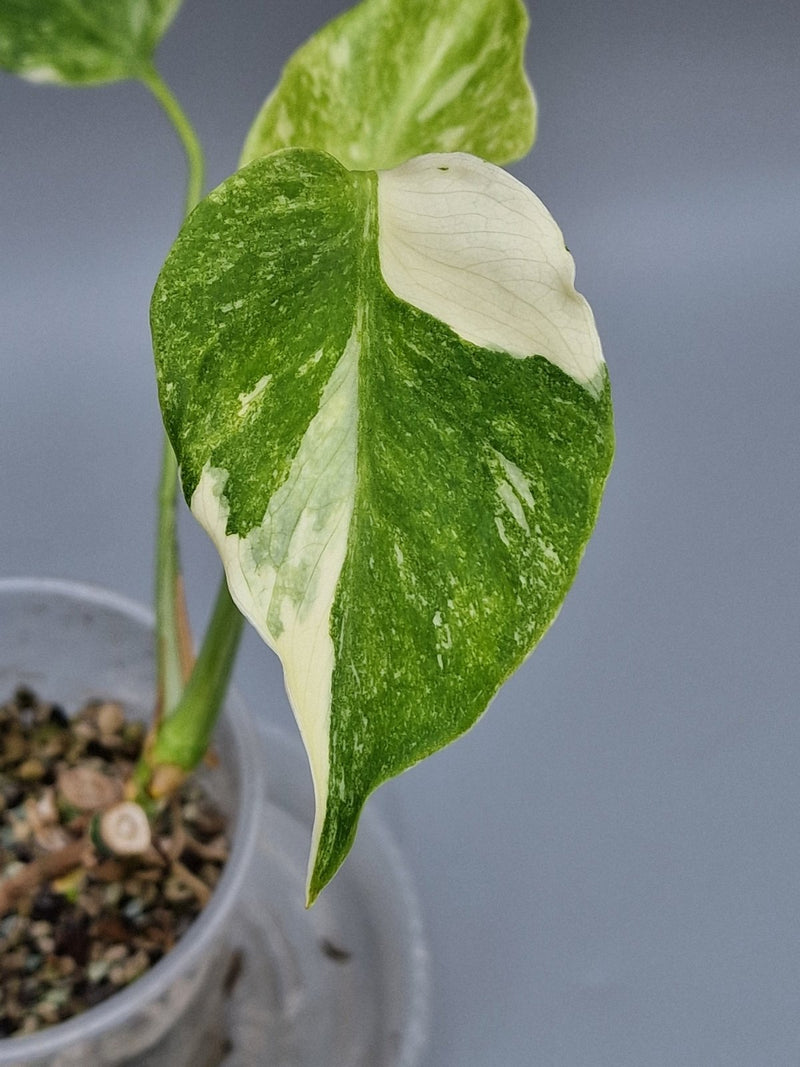
How to Care for Monstera ‘Thai Constellation’ and Avoid Common 2026 Mistakes Among the myriad of rare houseplants, the Monstera 'Thai Constellation' stands out with its celestial splatter of creamy variegation against lush green leaves. This captivating variant of the traditional Monstera deliciosa requires specific care to thrive indoors. Here's a comprehensive guide on nurturing your Monstera 'Thai Constellation', coupled with tips to avoid common pitfalls that might creep up by 2026. Essential Care for Monstera 'Thai Constellation' 1. Lighting Monstera 'Thai Constellation' flourishes in bright, indirect light. It's crucial to avoid direct sunlight, which can scorch its variegated leaves, causing them to lose their unique patterning. An east-facing window that provides gentle morning light is ideal. For those with less natural light, consider using a grow light. 2. Watering Watering needs are moderate - allow the top few inches of soil to dry out before watering again. Overwatering can lead to root rot, so ensure your pot has good drainage. In contrast, under-watering can cause the plant to droop. A consistent watering schedule according to the season is key. 3. Humidity and Temperature Being a tropical plant, Monstera 'Thai Constellation' enjoys a humid environment. Aim for 60-80% humidity. Regular misting, a pebble tray, or a humidifier can help achieve this. Keep it away from drafts and maintain a temperature between 18-27°C for optimal growth. 4. Soil and Fertilisation Use a well-draining, peat-based potting mix. During the growing seasons of spring and summer, fertilise monthly with a balanced, water-soluble fertiliser. Reduce feeding in the colder months when plant growth naturally slows down. 5. Pruning and Maintenance Pruning is not often necessary, but do trim away any yellow or damaged leaves to keep your plant healthy and aesthetically pleasing. Dust the leaves regularly to ensure the plant can photosynthesise efficiently. Common Mistakes to Avoid in 2026 Overwatering: This is the quickest way to harm your Monstera. Always check the soil moisture before watering. Neglecting Light Needs: Insufficient light can lead to less variegation and leggy growth. Conversely, too much direct sunlight might bleach and damage the leaves. Ignoring Pests: Keep an eye out for signs of pests such as spider mites, thrips, and scale. Early detection and treatment are crucial. Frequently Asked Questions (FAQs) How often should I repot my Monstera 'Thai Constellation'? Repot every 2-3 years or when you see roots coming out of the drainage holes. Spring or early summer is the best time for repotting to allow the plant to recover and grow into the new space. Can Monstera 'Thai Constellation' be propagated? Yes, it can be propagated by stem cuttings. Ensure each cutting has at least one node and a few leaves. Root in water or directly into soil. Is Monstera 'Thai Constellation' toxic? Yes, like most Monsteras, the 'Thai Constellation' is toxic if ingested. Keep it out of reach of pets and children. Conclusion Caring for Monstera 'Thai Constellation' is a rewarding experience that enhances any indoor plant collection. With the right care, your Monstera will flourish, bringing a touch of the tropics and a sense of pride to your home or office. Embrace the journey of growing these rare houseplants, and enjoy the lush, vibrant growth they offer. For more tips on caring for other rare houseplants, explore our detailed guides on Philodendron, Syngonium, and Anthurium care.

Read more

How to Fertilise Tropical Houseplants the Right Way - Odd Leaf

by Odd Leaf

How to Fertilise Tropical Houseplants the Right Way

How to Fertilise Tropical Houseplants the Right Way Welcome to the vibrant world of tropical houseplants! If you're a lover of rare houseplants, you understand the importance of providing the right care to keep them thriving. A crucial part of that care is fertilisation. Today, let's delve into how you can fertilise your tropical beauties effectively, ensuring they grow healthy and strong. Understanding the Needs of Tropical Houseplants Tropical houseplants, such as those from the Monstera, Philodendron, and Anthurium families, originate from environments where they receive a steady supply of nutrients from their natural surroundings. In our homes, we need to replicate this by providing them with the right type and amount of fertiliser. Choosing the Right Fertiliser Not all fertilisers are suitable for tropical houseplants. Here’s what to consider: Formulation: Look for a balanced, water-soluble fertiliser with an equal ratio of nitrogen, phosphorus, and potassium (N-P-K). A formulation like 20-20-20 is often recommended. Trace Elements: Ensure the fertiliser includes essential micronutrients such as magnesium, calcium, and iron. For organic options, consider fish emulsion or seaweed extract, which are gentle and enrich the soil ecosystem. How Often to Fertilise The frequency of fertilisation depends largely on the plant's growth phase and the season: Growing Season (Spring and Summer): Fertilise every month as this is when plants experience the most growth. Dormant Season (Autumn and Winter): Reduce fertilisation to once every two months or stop altogether, as plant growth slows down. Application Techniques Applying fertiliser correctly is just as important as choosing the right one. Here are some tips: Dilute the Fertiliser: Always follow the instructions on the label. Over-fertilising can lead to nutrient burn. Apply to Moist Soil: Never fertilise dry soil. Water your plant lightly before applying liquid fertiliser to prevent root burn. Even Distribution: Ensure the fertiliser is evenly distributed around the pot, avoiding direct contact with the plant's stem or leaves. Signs You’re Over-fertilising Keep an eye out for these symptoms, which can indicate that you're giving your plants too much fertiliser: Yellowing leaves Salt build-up on the soil surface Wilting despite adequate watering If you notice any of these signs, flush the soil with water and reduce the frequency and concentration of your fertilisation routine. FAQs about Fertilising Tropical Houseplants Can I use coffee grounds as fertiliser for tropical houseplants? While coffee grounds can add organic matter to the soil, they should be used sparingly and composted first, as they can be acidic and may affect soil pH. How do I know if my fertiliser has the right micronutrients? Check the label for a list of micronutrients. Look for ingredients like magnesium (Mg), calcium (Ca), and iron (Fe), which are vital for plant health. What should I do if my plant shows signs of nutrient deficiency? Identify the deficiency based on symptoms (e.g., chlorosis for iron deficiency) and adjust your fertilising approach accordingly, perhaps with a more targeted fertiliser. Wrapping Up Fertilising your tropical houseplants correctly is key to their growth and health. By understanding their needs, choosing the right fertiliser, and applying it properly, you’ll ensure your Syngoniums, Monsteras, and other tropical treasures are vibrant and flourishing. Remember, a little care goes a long way! For more detailed guides on caring for specific types of rare houseplants, check out our post on how to grow Epipremnum pinnatum and Anthurium clarinervium care.

Read more

What Makes a Houseplant Rare? How to Spot a True Find - Odd Leaf

by Odd Leaf

What Makes a Houseplant Rare? How to Spot a True Find

What Makes a Houseplant Rare? How to Spot a True Find For many plant lovers, the allure of owning rare houseplants is irresistible. These unique plants not only add an exotic touch to your home but can also be a delightful challenge to cultivate. However, the question remains: what exactly makes a houseplant "rare," and how can you identify a truly special specimen? In this post, we'll explore the factors that contribute to a plant's rarity and provide practical tips for spotting a genuine find. Understanding the Rarity of Houseplants Rarity in houseplants can be attributed to several factors: Limited Natural Habitat: Plants that are native to small, specific areas or those whose habitats are threatened by environmental changes tend to be rarer. Difficult Propagation: Some plants are hard to propagate, making them less common in nurseries and shops. Slow Growth: Slow-growing plants often reach the market in smaller quantities because they take longer to cultivate to a sellable size. High Demand: Plants that are in high demand but have limited supply naturally become rare. This could be due to trends in interior design or features in popular culture. For a deeper dive into rare collections, consider exploring the Rare Collection at Odd Leaf Houseplants. How to Spot a Rare Houseplant Identifying a rare houseplant involves a bit more than just recognizing its name. Here are some practical tips to ensure you're getting a true rare find: Research the Plant: Before making a purchase, spend some time understanding the plant’s origin, typical growth conditions, and any special features it might have. Check for Unique Features: Look for unusual patterns, colors, or leaf shapes that set the plant apart from more common varieties. Verify Authenticity: Especially when purchasing online, make sure the seller is reputable and can provide proof of the plant’s authenticity. Consult with Experts: Join forums, attend plant shows, or visit local nurseries to speak with experts who can provide insights into the rarity and care of the plant. For further reading on nurturing specific rare plants, you might be interested in how to water Alocasia or the differences between Philodendron melanochrysum and gloriosum. Frequently Asked Questions What are some examples of rare houseplants? Examples of rare houseplants include the Variegated Monstera, Philodendron spiritus-sancti, and the Blue Alocasia. These plants are known for their unique appearances and the difficulty in sourcing them. How do I care for rare houseplants? Caring for rare houseplants often requires specific humidity, lighting, and watering conditions. It's important to research each plant’s needs. For detailed care instructions, explore resources like how to fertilise tropical houseplants. Are rare houseplants more expensive? Yes, due to their scarcity and the complexities involved in their cultivation, rare houseplants can be significantly more expensive than more common varieties. Conclusion Collecting rare houseplants is a rewarding hobby that introduces an element of the exotic to your indoor gardening. By understanding what makes a plant rare and learning how to identify genuine specimens, you can make informed decisions and enjoy the unique beauty these plants offer. Remember, the key to success with rare houseplants lies in careful research, proper care, and a bit of patience. Happy planting!

Read more