Certified Plant Passports

100% Positive Feedback

5 Star Rating

Grown With Care

chevron_left chevron_right

Learn about all things houseplants

View

Best Rare Houseplants for Small Spaces - Odd Leaf

by Odd Leaf

Best Rare Houseplants for Small Spaces

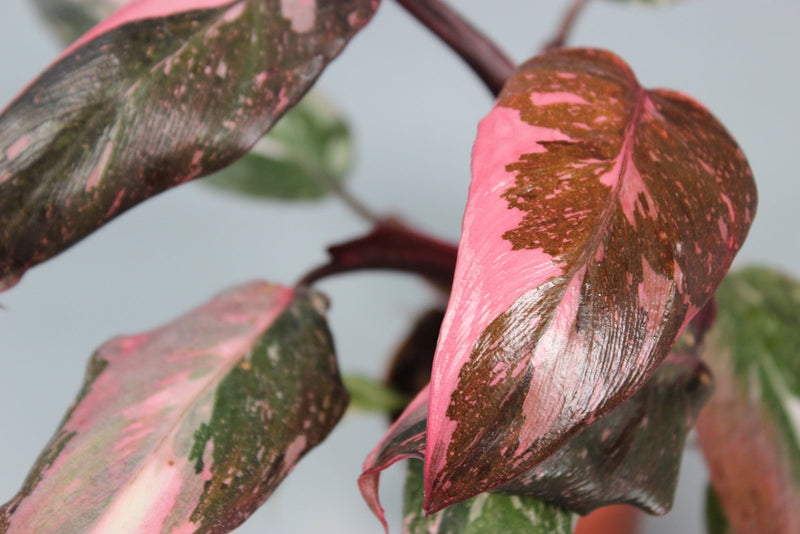
Best Rare Houseplants for Small Spaces Welcome to the enchanting world of rare houseplants! Whether you are a seasoned gardener or a budding plant enthusiast, incorporating a touch of rarity into your home can transform any small space into a vibrant oasis. This post will guide you through selecting the best rare houseplants that are suited for compact areas, offering both beauty and practicality. Why Choose Rare Houseplants? Rare houseplants not only bring uniqueness to your interiors but also improve air quality and boost your mood. However, choosing the right plants for small spaces can be a bit tricky. You need species that are visually striking yet easy to maintain and that don't require too much room to thrive. Top Rare Houseplants for Limited Space Here are some top picks that are perfect for small living areas, desks, or window sills: Anthurium Clarinervium: Known for its heart-shaped, velvety leaves with striking vein patterns, this anthurium doesn't take up much space and can be a stunning focal point of any room. Philodendron 'Pink Princess': This small yet vibrant philodendron features dark leaves with beautiful pink variegation. It's perfect for adding a splash of colour to small corners. Alocasia 'Silver Dragon': With its compact size and silvery, textured leaves, the Silver Dragon is ideal for places with limited space but still wants a touch of the exotic. Care Tips for Small Space Houseplants Keeping your rare houseplants thriving in small spaces requires some specific care tips: Lighting: Ensure your plants receive sufficient indirect light. Many rare houseplants are tropical and prefer brightness without direct sunlight. Watering: Overwatering is a common issue in small spaces due to reduced air circulation. Check the soil moisture regularly and allow it to dry out slightly between watering. Humidity: Most rare houseplants thrive in higher humidity. Using a small humidifier or placing a water tray near your plant setup can help maintain the ideal environment. Space-Saving Display Ideas Maximizing your space with creative display solutions can enhance the appeal of your rare houseplants: Vertical Gardens: Use wall-mounted planters or hanging pots to create a vertical garden that saves floor space. Tiered Stands: Stack your plants on tiered stands so that they can enjoy adequate light without occupying too much space. Windowsill Arrangements: Utilize the natural light by arranging smaller rare houseplants on your windowsills. Frequently Asked Questions What are the best rare houseplants that require minimal care? Philodendron 'Moonlight', Syngonium 'Pixie', and Anthurium 'Faustino’s Giant' are excellent choices for beginners who want low-maintenance yet rare varieties. How often should I water my rare houseplants in small spaces? This largely depends on the plant species, the size of the pot, and environmental factors like humidity and temperature. Generally, check the soil moisture level and water when the top inch feels dry. Can rare houseplants grow under artificial lighting? Yes, many houseplants, including rare varieties, can thrive under artificial lighting. LED grow lights are a great option for areas with limited natural light. Explore More on Rare Houseplants Interested in expanding your knowledge or collection of rare houseplants? Check out these additional resources: The Rare Collection How to Water Alocasia Without Overwatering Best Rare Plants for Bathrooms and Humid Rooms Embracing rare houseplants in small spaces not only enhances the aesthetic of your home but also brings a piece of nature's serenity into your daily life. Choose wisely, care attentively, and watch your tiny green nook flourish!

Read more

How to Care for Epipremnum Manjula and Encourage Balanced Growth

by Odd Leaf

How to Care for Epipremnum Manjula and Encourage Balanced Growth

How to Care for Epipremnum Manjula and Encourage Balanced Growth Epipremnum Manjula, often hailed as a standout among rare houseplants, is a variegated variety that captivates with its heart-shaped leaves and spectacular splashes of white, cream, and green. Perfect for both beginner and intermediate plant enthusiasts, this guide will provide you with practical insights on nurturing your Epipremnum Manjula to ensure robust and balanced growth. Understanding Epipremnum Manjula Epipremnum Manjula, part of the diverse Epipremnum genus, is known for its easy-care nature and stunning variegation. Unlike its relatives, the Manjula boasts wavy leaf edges, which add to its visual appeal. This plant thrives under the right conditions and can be a rewarding addition to your indoor garden. Optimal Growing Conditions Light: Prefers bright, indirect light. Direct sunlight can scorch its leaves, while too little light may reduce the vibrancy of its variegation. Water: Water when the top inch of soil feels dry. Avoid overwatering as this can lead to root rot. Humidity: Enjoys a higher humidity level, around 60-70%. Consider using a humidifier or placing a water tray nearby. Temperature: Thrives at temperatures between 18°C and 26°C. Keep away from drafts and sudden temperature changes. Nutritional Needs and Soil Requirements For soil, opt for a well-draining potting mix, ideally one that retains moisture without becoming soggy. A mix designed for aroids or indoor plants typically works well. Fertilisation should be moderate; feeding with a balanced, water-soluble fertilizer once a month during the growing season (spring and summer) is sufficient. Reduce feeding in the colder months. Pruning and Maintenance Regular pruning helps maintain the shape of your Epipremnum Manjula and encourages fuller growth. Trim any excessively long or unhealthy vines to keep the plant vibrant and healthy. This also helps prevent the plant from becoming leggy and directs energy to more vigorous growth. Potting and Repotting Epipremnum Manjula does not require frequent repotting. Consider repotting every 2-3 years or when the plant outgrows its pot. Use this opportunity to refresh the soil and inspect the roots. During repotting, gently trim any rotten or excessively long roots to promote healthier growth. Troubleshooting Common Issues Problem Symptoms Solution Overwatering Yellowing leaves, soggy soil Reduce watering, ensure good drainage Underwatering Dry, curling leaves Increase watering frequency, check soil moisture Low Humidity Brown leaf tips Use a humidifier or mist regularly Insufficient Light Leggy growth, less variegation Move to a brighter location with indirect light FAQ on Epipremnum Manjula Care How often should I water my Epipremnum Manjula? - Water when the top inch of soil is dry, usually once a week depending on environmental conditions. Can Epipremnum Manjula handle direct sunlight? - No, it prefers bright, indirect sunlight. Direct exposure can lead to leaf burn. What is the best way to increase humidity for my plant? - Use a humidifier, place a water tray near the plant, or mist the leaves regularly. For more insights on caring for other Epipremnum varieties or to explore other rare houseplants, feel free to browse our detailed guides and collections. With the right care, your Epipremnum Manjula will thrive, bringing a touch of the tropics and stunning variegation to your indoor space. Whether you are a seasoned collector or a novice embarking on your plant journey, the Epipremnum Manjula is a delightful and gratifying choice.

Read more

How to Care for Philodendron Paraiso Verde When Variegation Comes and Goes

by Odd Leaf

How to Care for Philodendron Paraiso Verde When Variegation Comes and Goes

How to Care for Philodendron Paraiso Verde When Variegation Comes and Goes The Philodendron Paraiso Verde is a captivating addition to any collection of rare houseplants. Known for its striking variegated leaves that can change over time, maintaining its unique appearance requires specific care and attention. Whether you are a beginner or an intermediate plant lover, understanding how to nurture the variegation in your Philodendron Paraiso Verde will ensure it remains a stunning feature in your home. Understanding Variegation in Philodendron Paraiso Verde Variegation in plants like the Philodendron Paraiso Verde refers to the appearance of different coloured zones in the leaves, typically white or yellow alongside the usual green. This variegation can fluctuate due to various factors, including lighting, nutrition, and even the plant’s genetic makeup. Optimal Lighting Light is a crucial factor in maintaining the variegation of your Philodendron Paraiso Verde. Here’s how to get it right: Bright, Indirect Light: Place your plant in a location where it can receive plenty of bright, indirect sunlight. Avoid direct sunlight, which can scorch the leaves. Consistent Exposure: Ensure that the plant gets consistent light. Rotate your plant periodically to ensure all sides receive equal light, encouraging even variegation. Proper Watering Techniques Watering plays a pivotal role in the health of your Philodendron. Here’s how to keep the balance: Water when the top inch of soil feels dry to the touch. Use lukewarm water to avoid shocking the plant’s roots. Ensure good drainage to prevent root rot, which can affect the plant’s overall health and variegation. Nutrition and Soil Requirements To support its variegated leaves, your Philodendron Paraiso Verde needs the right soil mix and nutrients: Soil Mix: Use a well-draining, aerated potting mix designed for aroids. This mix should retain moisture without becoming soggy. Fertilization: Feed your plant with a balanced, water-soluble fertilizer every month during the growing season. In winter, reduce feeding as the plant’s growth slows down. Pruning and Maintenance Regular pruning helps manage growth and encourage variegation: Prune away any all-green shoots, as they can take over the plant and reduce variegated foliage. Trim back leggy stems to promote a bushier, healthier plant. Coping with Variegation Changes Variegation in Philodendron Paraiso Verde can be unpredictable. Here’s how to cope with changes: Monitor your plant’s exposure to light, as insufficient light can lead to a loss of variegation. Consider the impact of seasonal changes and adjust care as necessary. FAQs Can I increase variegation by changing the light? While adjusting light conditions can help maintain variegation, it is not guaranteed to increase it, as genetics also play a significant role. Why is my Philodendron Paraiso Verde losing variegation? This could be due to inadequate light or the natural genetic tendencies of the plant. Try increasing light exposure before making other changes. Is it normal for variegation to fluctuate? Yes, it's normal for plants like the Philodendron Paraiso Verde to experience changes in variegation due to environmental factors and maturity. For more insights into caring for other rare houseplants, feel free to explore further articles and resources. Understanding and adapting to your Philodendron Paraiso Verde’s needs will ensure it remains a vibrant and enchanting part of your indoor garden. Related articles: How to Identify and Treat Common Philodendron Problems Why Rare Houseplants Are Worth the Investment How to Fertilise Tropical Houseplants the Right Way Embrace the unique beauty of your Philodendron Paraiso Verde and enjoy the dynamic nature of its variegation as part of the exciting world of rare houseplants.

Read more

How to Care for Philodendron ‘Snowdrift’ and Keep Variegation Balanced in 2026

by Odd Leaf

How to Care for Philodendron ‘Snowdrift’ and Keep Variegation Balanced in 2026

How to Care for Philodendron ‘Snowdrift’ and Keep Variegation Balanced in 2026 Welcome to the enchanting world of rare houseplants, where every leaf tells a story, and the Philodendron ‘Snowdrift’ is no exception. This stunning variegated plant, with its swirls of creamy white and deep green, captures the hearts of plant enthusiasts. Here’s your guide to nurturing your Philodendron ‘Snowdrift’ and maintaining its beautiful variegation in 2026. Understanding Philodendron ‘Snowdrift’ The Philodendron ‘Snowdrift’ is a climber known for its dramatic variegated foliage. Each leaf is unique, making it a prized specimen among collectors of rare houseplants. But, like all variegated plants, achieving a balance in leaf coloration can be a challenge. Below, we delve into the specifics of caring for this exotic beauty. Optimal Growing Conditions Light: Bright, indirect light is ideal. Too much direct sunlight can scorch the leaves, while too little light can reduce the variegation. Water: Water when the top inch of soil feels dry. Ensure the pot has good drainage to prevent root rot. Humidity: Philodendron ‘Snowdrift’ thrives in higher humidity. Aim for 60% or above, which can be achieved with a humidifier or pebble tray. Temperature: Keep it in a warm environment — ideally between 18-25°C. Avoid draughts and sudden temperature changes. Soil: A well-draining, airy potting mix is crucial. You can mix standard houseplant soil with perlite and orchid bark to increase drainage and aeration. Feeding and Care Fertilizing: Feed with a balanced, water-soluble fertilizer diluted to half strength, every 4-6 weeks during the growing season. Do not fertilize in winter. Pruning: Prune in spring to encourage bushier growth or to remove any discolored or dead foliage. Support: Provide a moss pole or trellis for support, as this will mimic its natural climbing habit and promote healthier growth. Maintaining Variegation Variegation in Philodendron ‘Snowdrift’ can be unstable and may change based on several factors: Light: Insufficient light can lead to more green leaves, whereas too much light can cause the variegation to fade. Reversion: Occasionally, the plant may start producing entirely green leaves, a process known as reversion. Prune back these sections to encourage variegated growth. Common Issues and Solutions Problem Solution Yellowing Leaves Usually due to overwatering. Ensure the soil is well-draining and let it dry out slightly between waterings. Brown Leaf Tips Could be a sign of low humidity. Increase humidity around your plant. Pest Infestations Keep an eye out for aphids, mealybugs, and spider mites. Treat infestations early with neem oil or insecticidal soap. FAQ: Caring for Philodendron ‘Snowdrift’ Q: How often should I repot my Philodendron ‘Snowdrift’? A: Repot every 2-3 years or when the plant outgrows its pot. Spring is the best time for repotting. Q: Can I propagate Philodendron ‘Snowdrift’? A: Yes, it can be propagated by stem cuttings. Ensure each cutting has at least one node and a few leaves. For more insights on nurturing other exciting varieties, visit our guides on Philodendron Pink Princess and best rare plants for humid rooms. And why not explore our Philodendron collection for more exotic picks? Embrace the world of rare houseplants and let the Philodendron ‘Snowdrift’ add a touch of the unique to your indoor garden. Happy planting!

Read more

How to Care for Philodendron ‘White Princess’ Without Browning White Areas

by Odd Leaf

How to Care for Philodendron ‘White Princess’ Without Browning White Areas

How to Care for Philodendron ‘White Princess’ Without Browning White Areas As a rare houseplant enthusiast, the Philodendron 'White Princess' is a gem in any collection. Its striking white variegations set against dark green foliage make it a standout among philodendrons. However, maintaining those pristine white areas without them turning brown can be a challenge, especially for beginners. Here’s a practical guide to keep your 'White Princess' looking regal. Understanding Your Philodendron 'White Princess' The 'White Princess' is a part of the vast Philodendron genus known for their ease of care and beautiful foliage. The white variegation in the 'White Princess' is less chlorophyll than the green parts of the leaves, making them more sensitive to environmental factors. Optimal Lighting Light is a crucial factor in maintaining the health and variegation of your 'White Princess'. Here’s how to get it right: Bright, Indirect Light: Place your plant in a location where it can receive plenty of bright, indirect sunlight. Too much direct sun can scorch the delicate white parts, while too little will cause them to fade. Rotate Regularly: To ensure even growth and variegation, rotate your plant every few weeks to expose all sides to light evenly. Watering and Humidity Watering plays a pivotal role in preventing the white areas from browning. Here's how to water properly: Check the Soil: Before watering, check the top inch of the soil; if it’s dry, it’s time to water. If it’s still moist, wait a few days. Water Thoroughly: When you water, do so thoroughly until water runs out of the drainage holes. This method ensures that the roots are adequately moistened. Avoid Overwatering: Ensure the pot has good drainage to prevent water from sitting at the bottom, which can lead to root rot and leaf browning. Feeding Your Philodendron 'White Princess' Fertilization can help maintain vibrant variegation: Use a Balanced Fertilizer: Opt for a balanced, water-soluble fertilizer diluted to half the recommended strength. Fertilize Bi-monthly: During the growing season (spring and summer), fertilize every other month to support growth without overwhelming your plant. Preventing and Treating Browning If the white areas of your plant do start to brown, here’s what you can do: Trim Affected Areas: Prune away brown or dead leaves to prevent the spread and to encourage new growth. Adjust Care: Review your care routine, focusing on improving lighting and watering practices as these are often the culprits of browning. Common Questions About Philodendron 'White Princess' Why are the white parts of my Philodendron 'White Princess' turning yellow? This can be a sign of too much direct sunlight or overwatering. Move your plant to a shadier spot and adjust your watering schedule accordingly. How often should I repot my Philodendron 'White Princess'? Repotting every 2-3 years or when you see roots coming out of the drainage holes is ideal. This refreshes the soil and gives roots new room to grow. Can I use tap water to water my plant? Philodendrons can be sensitive to fluoride and other chemicals in tap water. It is better to use filtered or rainwater if possible. With these tips, your Philodendron 'White Princess' should thrive, keeping its marvellous variegation intact. Remember, each plant has its unique traits and might require slight adjustments in care. Monitor your plant’s response and adapt accordingly. For more tips on caring for rare houseplants, check out our detailed guides. Happy planting!

Read more

Rare Houseplants That Purify the Air - Odd Leaf

by Odd Leaf

Rare Houseplants That Purify the Air

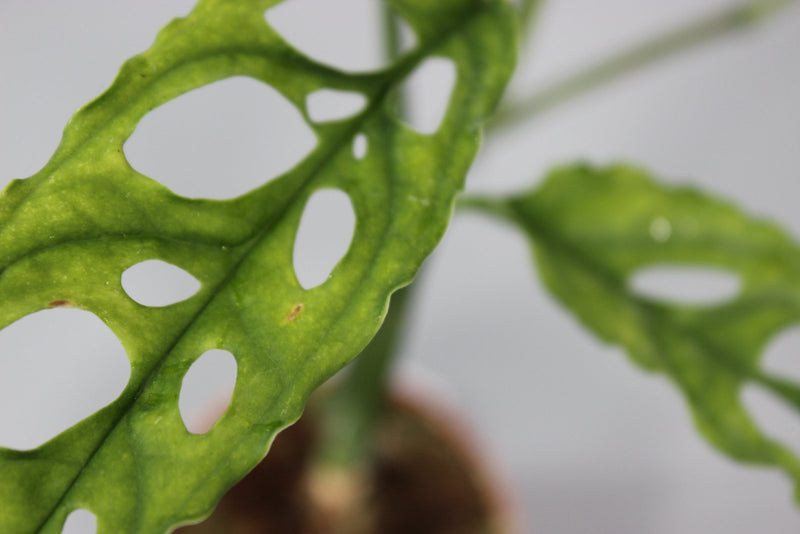
Rare Houseplants That Purify the Air As a passionate houseplant enthusiast, you might already be aware that adding a touch of green to your indoor spaces can do more than just beautify – it can also purify. Today, we're diving into the fascinating world of rare houseplants that aren't just visually striking but are also champions at cleaning indoor air. Whether you're a beginner or an intermediate plant lover, these unique varieties will not only challenge your gardening skills but also enhance your living environment. Why Choose Rare Houseplants for Air Purification? The appeal of rare houseplants goes beyond their unique appearances. Many of these plants have adapted to specific and sometimes harsh environments, evolving with unique abilities to filter air pollutants. Integrating these plants into your home adds an element of exotic beauty and a powerful tool for improving indoor air quality. Top Rare Houseplants for Air Purification Let’s explore some of the most effective and striking rare houseplants that can help clear out toxins like benzene, formaldehyde, and trichloroethylene from your living spaces. Anthurium andraeanum 'Black Queen': Known for its stunning, dark, almost black flowers, this Anthurium not only adds a touch of drama but is also effective at removing a variety of air pollutants. Check out more on Anthurium care here. Philodendron melanochrysum: This plant features large, velvety leaves that are not only a collector’s delight but also great for purifying the air. For more about differentiating Philodendron species, visit this detailed guide. Monstera obliqua: While it’s a challenging plant to care for, the Monstera obliqua is known for its perforated leaves and air-purifying properties. Learn more about caring for Monsteras here. Care Tips for Air-Purifying Rare Houseplants Caring for rare houseplants often requires a bit more attention to detail than your typical houseplant. Here are some general tips to keep them thriving: Lighting: Most air-purifying rare houseplants prefer indirect, bright light. Direct sunlight can scorch their leaves, while too little light can slow down their growth and purification process. Watering: Over-watering is a common issue with rare houseplants. Ensure the pot has good drainage and only water when the top inch of the soil is dry. Humidity and Temperature: These plants often come from tropical environments, so maintaining a higher humidity level can help them thrive. Avoid placing them in draughty areas. FAQ About Rare Houseplants and Air Purification Do all rare houseplants purify the air? Not all houseplants have strong air-purifying abilities. It’s best to research specific species for their air-purifying properties. How often should I water my rare air-purifying plants? This largely depends on the type of plant and the environment. As a rule of thumb, wait until the top inch of soil is dry before watering. For more specific guidance, check out our detailed watering guide for Alocasia. Can rare houseplants thrive in low light? Some can, but most air-purifying rare houseplants require bright, indirect light to thrive and effectively purify the air. For plants that do well in low light, visit our guide on rare houseplants for low light conditions. Embracing rare houseplants not only elevates your indoor gardening game but also contributes to a healthier home environment. By choosing the right plants and providing them with proper care, you can enjoy both their beauty and their beneficial qualities. Happy planting!

Read more