Certified Plant Passports

100% Positive Feedback

5 Star Rating

Grown With Care

chevron_left chevron_right

Learn about all things houseplants

View

How to Care for Alocasia Micholitziana ‘Frydek Variegata’ for Long-Term Success in 2026

by Odd Leaf

How to Care for Alocasia Micholitziana ‘Frydek Variegata’ for Long-Term Success in 2026

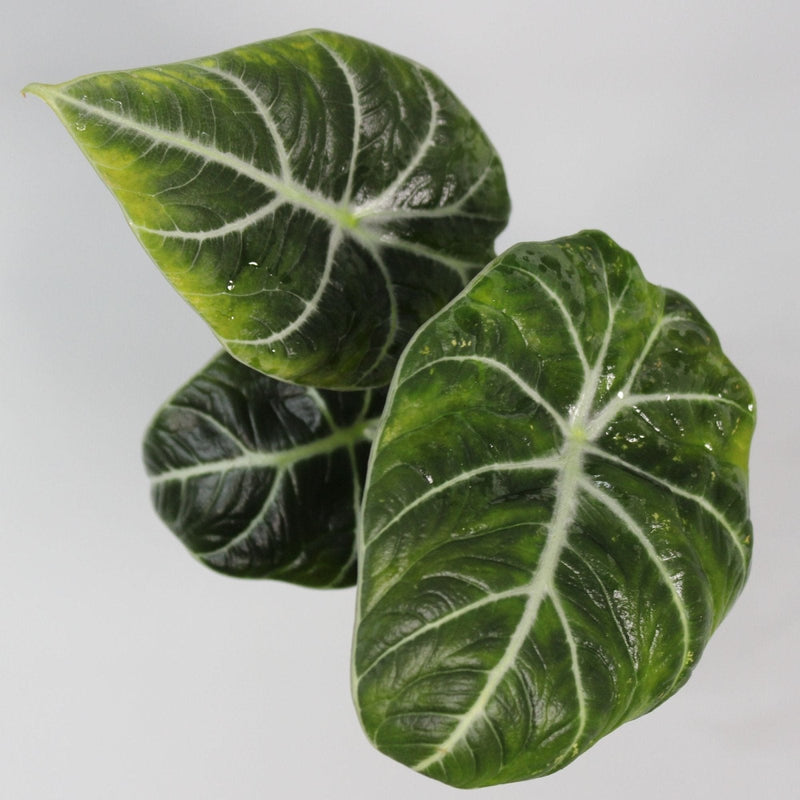
How to Care for Your Alocasia Micholitziana ‘Frydek Variegata’ for Long-Term Success in 2026 As the fascination with rare houseplants continues to grow, the Alocasia Micholitziana ‘Frydek Variegata’ stands out as a captivating addition to any indoor plant collection. Known for its striking variegated leaves with vibrant green veins and contrasting white patterns, this plant not only enhances the aesthetic of your home but also brings a touch of the exotic. Caring for this plant involves understanding its specific needs, which we'll guide you through in this detailed post. Optimal Lighting Conditions Light is a crucial factor for the health of your Frydek. This plant thrives in bright, indirect light. Direct sunlight can scorch its delicate leaves, while too little light can cause the variegation to fade. Aim for a spot that receives filtered sunlight for most of the day. If natural light is limited, especially during the darker months, consider using grow lights designed for tropical plants. Watering and Humidity Requirements Getting the watering right is often the most challenging part of caring for Alocasia plants. The ‘Frydek Variegata’ prefers its soil to be consistently moist but not waterlogged. Use a well-draining potting mix and check the top inch of soil for dryness before watering. Overwatering can lead to root rot, a common issue with Alocasia plants. For a step-by-step guide on watering Alocasia without overwatering, check out this article. Humidity is another vital aspect of their care. These plants thrive in high humidity environments, ideally around 60-80%. You can increase humidity by placing a humidifier nearby, using a pebble tray, or regularly misting the plant. However, ensure that the leaves do not stay wet for extended periods to prevent fungal infections. Feeding and Nutritional Health Fertilisation supports the lush variegation of the ‘Frydek Variegata’. During the growing season (spring and summer), feed your plant every 4-6 weeks with a balanced, water-soluble fertilizer diluted to half the recommended strength. Avoid fertilizing in the winter when the plant's growth naturally slows down. For more details on fertilizing tropical houseplants, here’s a comprehensive guide. Common Pests and Issues Alocasia ‘Frydek Variegata’ can be susceptible to pests such as spider mites, aphids, and mealybugs. Regularly inspect the undersides of leaves and keep an eye out for any signs of distress. Early detection and treatment can prevent more serious infestations. Neem oil or insecticidal soap can be effective treatments for these common pests. Repotting and General Maintenance Repot your Alocasia every two to three years or when it outgrows its pot. This is also a great opportunity to inspect the roots for any signs of disease. Use a pot only one size larger than the current one to prevent overwatering issues. When repotting, choose a potting mix rich in organic matter that promotes excellent drainage. FAQs How often should I rotate my Alocasia ‘Frydek Variegata’? Rotate your plant every few weeks to ensure even growth on all sides. This adjustment helps prevent the plant from leaning towards the light source. Is Alocasia ‘Frydek Variegata’ toxic to pets? Yes, like many Alocasia species, the ‘Frydek Variegata’ is toxic if ingested. Keep it out of reach of pets and small children. Can I propagate Alocasia ‘Frydek Variegata’ from leaf cuttings? Alocasia plants are typically propagated through division, not leaf cuttings. When you repot, you can divide the rhizomes to propagate new plants. Caring for the Alocasia Micholitziana ‘Frydek Variegata’ involves a delicate balance of humidity, light, and water. With these tips, you're well on your way to enjoying this stunning addition to your collection of rare houseplants. Embrace the challenges, and you'll be rewarded with a truly spectacular display.

Read more

How to Care for Monstera ‘Thai Constellation’ and Avoid Common 2026 Mistakes

by Odd Leaf

How to Care for Monstera ‘Thai Constellation’ and Avoid Common 2026 Mistakes

How to Care for Monstera ‘Thai Constellation’ and Avoid Common 2026 Mistakes Among the myriad of rare houseplants, the Monstera 'Thai Constellation' stands out with its celestial splatter of creamy variegation against lush green leaves. This captivating variant of the traditional Monstera deliciosa requires specific care to thrive indoors. Here's a comprehensive guide on nurturing your Monstera 'Thai Constellation', coupled with tips to avoid common pitfalls that might creep up by 2026. Essential Care for Monstera 'Thai Constellation' 1. Lighting Monstera 'Thai Constellation' flourishes in bright, indirect light. It's crucial to avoid direct sunlight, which can scorch its variegated leaves, causing them to lose their unique patterning. An east-facing window that provides gentle morning light is ideal. For those with less natural light, consider using a grow light. 2. Watering Watering needs are moderate - allow the top few inches of soil to dry out before watering again. Overwatering can lead to root rot, so ensure your pot has good drainage. In contrast, under-watering can cause the plant to droop. A consistent watering schedule according to the season is key. 3. Humidity and Temperature Being a tropical plant, Monstera 'Thai Constellation' enjoys a humid environment. Aim for 60-80% humidity. Regular misting, a pebble tray, or a humidifier can help achieve this. Keep it away from drafts and maintain a temperature between 18-27°C for optimal growth. 4. Soil and Fertilisation Use a well-draining, peat-based potting mix. During the growing seasons of spring and summer, fertilise monthly with a balanced, water-soluble fertiliser. Reduce feeding in the colder months when plant growth naturally slows down. 5. Pruning and Maintenance Pruning is not often necessary, but do trim away any yellow or damaged leaves to keep your plant healthy and aesthetically pleasing. Dust the leaves regularly to ensure the plant can photosynthesise efficiently. Common Mistakes to Avoid in 2026 Overwatering: This is the quickest way to harm your Monstera. Always check the soil moisture before watering. Neglecting Light Needs: Insufficient light can lead to less variegation and leggy growth. Conversely, too much direct sunlight might bleach and damage the leaves. Ignoring Pests: Keep an eye out for signs of pests such as spider mites, thrips, and scale. Early detection and treatment are crucial. Frequently Asked Questions (FAQs) How often should I repot my Monstera 'Thai Constellation'? Repot every 2-3 years or when you see roots coming out of the drainage holes. Spring or early summer is the best time for repotting to allow the plant to recover and grow into the new space. Can Monstera 'Thai Constellation' be propagated? Yes, it can be propagated by stem cuttings. Ensure each cutting has at least one node and a few leaves. Root in water or directly into soil. Is Monstera 'Thai Constellation' toxic? Yes, like most Monsteras, the 'Thai Constellation' is toxic if ingested. Keep it out of reach of pets and children. Conclusion Caring for Monstera 'Thai Constellation' is a rewarding experience that enhances any indoor plant collection. With the right care, your Monstera will flourish, bringing a touch of the tropics and a sense of pride to your home or office. Embrace the journey of growing these rare houseplants, and enjoy the lush, vibrant growth they offer. For more tips on caring for other rare houseplants, explore our detailed guides on Philodendron, Syngonium, and Anthurium care.

Read more

How to Care for Philodendron Pink Princess and Control Variegation in 2026

by Odd Leaf

How to Care for Philodendron Pink Princess and Control Variegation in 2026

How to Care for Philodendron Pink Princess and Control Variegation in 2026 Among rare houseplants, the Philodendron Pink Princess stands out with its stunning variegated leaves, making it a coveted gem for indoor plant enthusiasts. As we move into 2026, understanding the nuances of caring for this beauty, especially how to maintain and control its variegation, is essential for every plant lover. Whether you're a beginner or have some experience, this guide will help you keep your Pink Princess thriving. Essential Care Tips Light: Provide bright, indirect sunlight. Too much direct sun can scorch the leaves, while too little will diminish its vibrant variegation. Water: Water when the top inch of soil feels dry. Ensure good drainage to avoid root rot. Humidity: Aim for a humidity level of 60-80%. Use a humidifier or a pebble tray to maintain these conditions. Soil: Use a well-draining, airy potting mix. An ideal mix includes parts of peat, perlite, and orchid bark. Fertilization: Feed with a balanced, water-soluble fertilizer every month during the growing season. Pruning: Regular pruning helps encourage bushier growth and maintain the plant’s shape. Controlling and Enhancing Variegation Variegation in Philodendron Pink Princess is not just naturally occurring but can be influenced by care. Here’s how you can enhance and maintain its striking pink variegation: Optimal Lighting: Variegation can be enhanced with the right amount of light. Too little light, and the leaves may revert to green; too much, and they may become scorched. Pruning: Regularly prune greener shoots to encourage the growth of more variegated leaves. This directs the plant's energy towards maintaining its variegation. Monitor Nutrition: Balanced nutrition is crucial. Over-fertilization can lead to lush green growth at the expense of variegation. Common Issues and Solutions Here are common challenges you might face while caring for your Philodendron Pink Princess: Issue Solution Leaf Browning Check for overwatering or low humidity. Adjust your watering schedule and increase humidity. Loss of Variegation Move your plant to a spot with more indirect light. Prune excessively green shoots. Pests like Aphids and Mealybugs Use neem oil or insecticidal soap to treat infestations promptly. FAQs How often should I repot my Philodendron Pink Princess? Repot every 2-3 years or when you notice roots are crowding. Always use fresh potting mix to replenish nutrients. Can I propagate my Philodendron Pink Princess? Yes, propagation by stem cuttings is effective. Spring or early summer is the best time for propagation to ensure robust growth. Why are my Philodendron's leaves turning yellow? Yellow leaves are often a sign of overwatering. Ensure the soil is well-draining and allow it to dry slightly between waterings. Where to Find More Information For more tips on caring for other Philodendron varieties and exploring differences within the genus, check out our detailed articles. Each guide provides insights into not only care tips but also how to make the most out of your rare houseplant collection. Caring for the Philodendron Pink Princess is a rewarding experience that brightens any indoor space. With proper care and attention to its specific needs, especially variegation, you'll ensure your Pink Princess remains a stunning feature in your home.

Read more

Spring Planting Guide for Tropical Indoor Plants

by Odd Leaf

Spring Planting Guide for Tropical Indoor Plants

Spring Planting Guide for Tropical Indoor Plants Welcome to the vibrant world of tropical indoor plants! Spring is an ideal time to refresh your home with lush foliage and exotic blooms. This guide will walk you through the essentials of caring for and expanding your collection of tropical indoor plants, with a special focus on rare houseplants that can transform your living space into a tropical paradise. Choosing the Right Plants When expanding your indoor garden this spring, consider these popular and intriguing tropical species: Monstera - Known for their dramatic split leaves, these plants add a touch of the jungle to any room. Explore various types in our Monstera Collection. Philodendron - With their diverse leaf shapes and sizes, philodendrons are easy to care for and highly adaptable. Check out our Philodendron Collection. Syngonium - Perfect for beginners, these plants offer a variety of colors and are known for their arrow-shaped leaves. Discover more at our Syngonium Collection. Anthurium - These plants are prized for their stunning flowers and glossy foliage. Visit our Anthurium Collection to find your perfect match. Alocasia - With their striking foliage and architectural beauty, alocasias are a must-have for enthusiasts. Explore options in our Alocasia Collection. Plant Care Basics Taking care of tropical indoor plants involves understanding their basic needs: Lighting - Most tropical plants prefer bright, indirect light. Too much direct sunlight can scorch their leaves, while too little light can cause them to become leggy. Watering - Water tropical plants when the top inch of soil feels dry. Ensure good drainage to prevent root rot. Humidity - These plants thrive in high humidity. Consider using a humidifier or placing a water tray near them to maintain moisture in the air. Feeding - Feed your plants with a balanced fertilizer every 4-6 weeks during the growing season. For more details, read How to Fertilise Tropical Houseplants the Right Way. Spring Planting Tips Spring is a great time to repot and propagate your tropical indoor plants. Here’s how you can get started: Repotting: Choose a pot that is slightly larger than the current one. Use a well-draining potting mix to give your plant a fresh start. Propagation: Many tropical plants like monstera and philodendron can be easily propagated by stem cuttings. Place the cuttings in water or directly into soil to root. Frequently Asked Questions How often should I water my tropical plants? Water once the top inch of soil becomes dry. Adjust frequency based on temperature and humidity. What are the signs of overwatering? Watch for yellowing leaves, wilting, and root rot. If you suspect overwatering, let the soil dry out more between waterings. Can I use tap water for my tropical plants? While tap water is generally fine, some plants are sensitive to fluoride and chlorine. Let tap water sit overnight before using to evaporate some of the chemicals. Conclusion Spring is a season of new beginnings, making it the perfect time to invigorate your home with rare houseplants. With the right care, your tropical indoor plants will thrive and bring life to your indoor spaces. For more tips on specific plants, visit our Rare Collection and explore our blog for detailed care guides and inspiration. Happy planting!

Read more

Winter Care Tips for Rare Houseplants

by Odd Leaf

Winter Care Tips for Rare Houseplants

Winter Care Tips for Rare Houseplants As winter approaches, the care routine for your prized rare houseplants needs a subtle shift to help them thrive despite the colder temperatures and reduced sunlight. This guide will walk you through essential tips to keep your tropical beauties healthy during the chillier months. Understanding Winter Challenges Rare houseplants, often from tropical regions, are accustomed to consistent conditions year-round. Winter in cooler climates can pose several challenges: Lower Light Levels: Shorter days mean less sunlight, which can affect photosynthesis. Dry Indoor Air: Heating systems can reduce indoor humidity significantly, which can be detrimental to tropical plants. Colder Temperatures: Cold drafts from windows or doors can stress plants not suited to fluctuations in temperature. Optimal Lighting Light is a crucial factor in winter. Here's how to manage it: Maximise Natural Light: Move your plants closer to windows but beware of cold drafts. South-facing windows are ideal. Supplement with Artificial Light: Consider grow lights if natural light is insufficient. LED or fluorescent grow lights can provide the spectrum of light your plants need. For more detailed guidance, check out our Beginner’s Guide to Tropical Plant Lighting. Humidity Control Keeping the air humid enough is vital for tropical plants. Here are effective ways to maintain proper humidity: Use a Humidifier: A humidifier can provide the consistent humidity levels rare houseplants crave. Group Plants Together: Creating a microenvironment can help raise humidity levels around your plants. Tray with Pebbles and Water: Placing a tray filled with water and pebbles beneath your plants can increase local humidity as the water evaporates. Explore more about humidity solutions in our article on Best Rare Plants for Bathrooms and Humid Rooms. Temperature Considerations Keeping a stable temperature is key to winter care. Most tropical plants prefer temperatures between 18°C to 24°C. Here are some tips: Avoid Cold Drafts: Keep plants away from open windows or doors and ensure your plant's leaves don't touch cold glass. Maintain Warmth: If your home gets cold, consider using a small space heater in the room where you keep your plants, but ensure it doesn't dry out the air too much. Watering and Feeding Winter often means reducing the frequency of watering and feeding: Reduce Watering: Let the soil dry out more than usual between waterings, as reduced light and cooler temperatures slow down growth and evaporation. Cut Down on Fertiliser: Stop fertilising in winter unless your plant is actively growing. Over-fertilising can lead to nutrient burn when your plant isn't growing as quickly. For specifics on watering rare houseplants, refer to our guide on How Often Should You Water Rare Houseplants. FAQs How do I know if my rare houseplants are getting enough light in winter? Signs that your plant may need more light include leggy growth, smaller leaves than usual, or leaves that are paler than normal. Consider relocating your plant to a brighter area or using grow lights. Can I repot my rare houseplants during winter? It's best to wait until spring to repot, as plants are typically dormant during the winter months and might be stressed by the disturbance. What is the ideal humidity level for rare houseplants in winter? Aim for humidity levels of at least 50%. If you're using heating significantly, this might require active humidification methods. By following these winter care tips, your rare houseplants will not only survive but thrive during the colder months. For further reading, explore our Rare Collection for more tips and tricks tailored to specific rare houseplants.

Read more