Certified Plant Passports

100% Positive Feedback

5 Star Rating

Grown With Care

chevron_left chevron_right

Learn about all things houseplants

View

Best Rare Plants for Bathrooms and Humid Rooms - Odd Leaf

by Odd Leaf

Best Rare Plants for Bathrooms and Humid Rooms

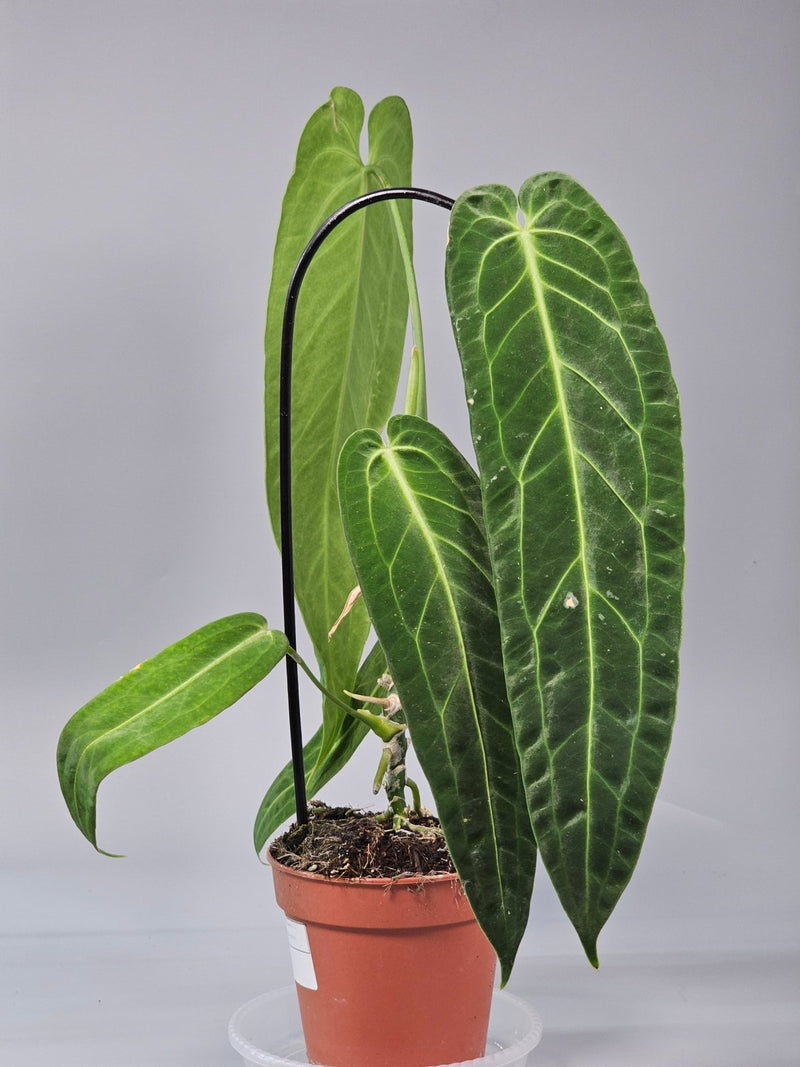
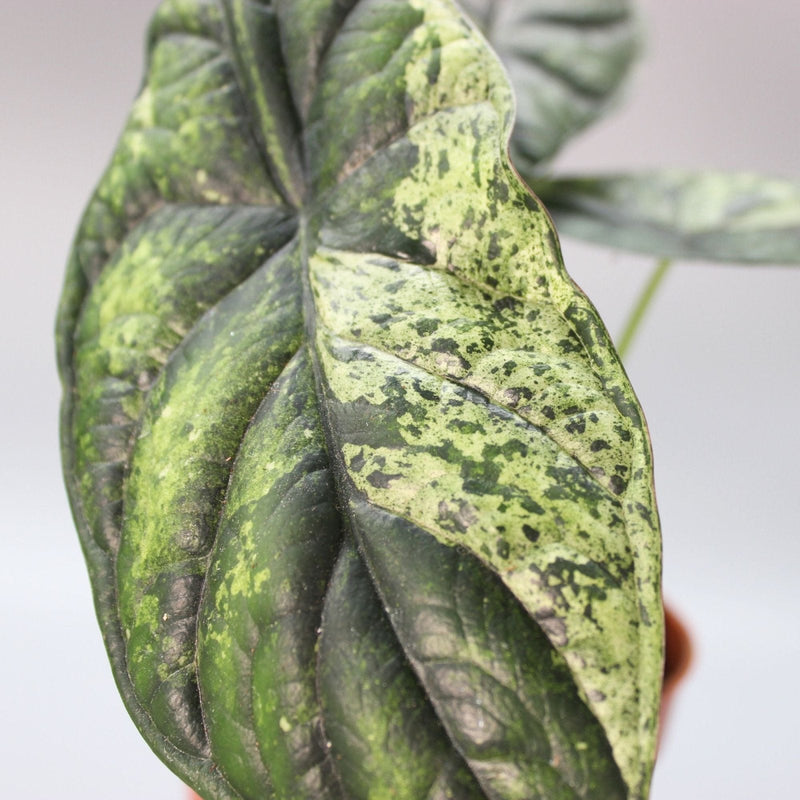
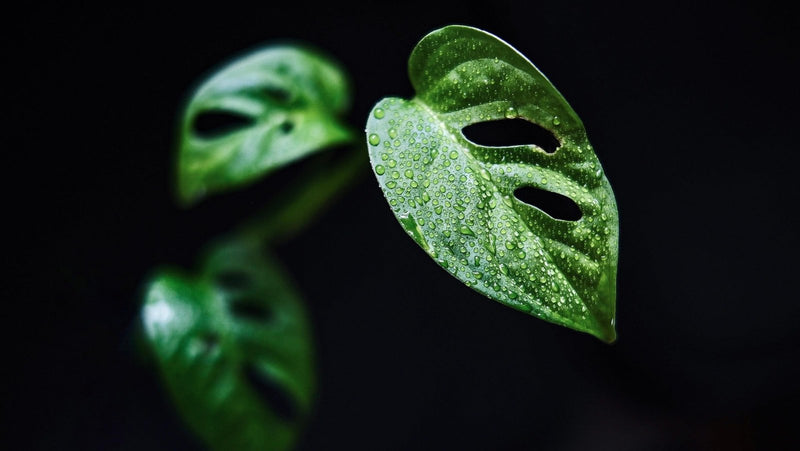
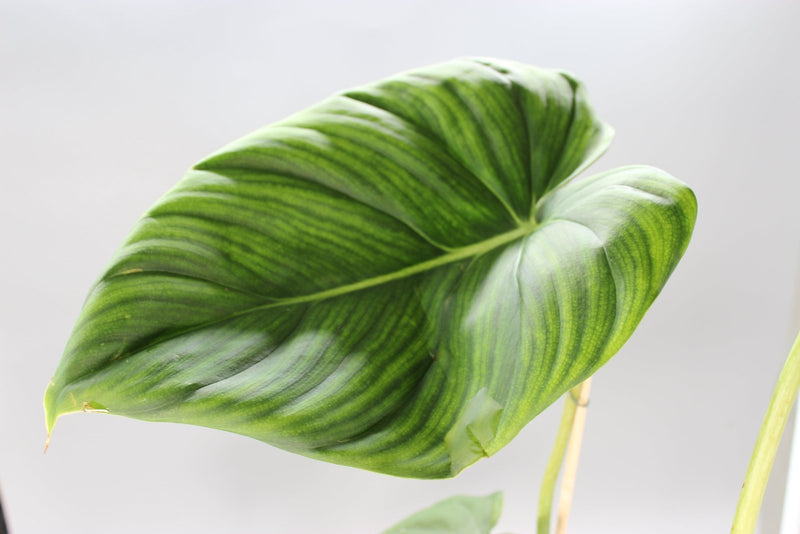
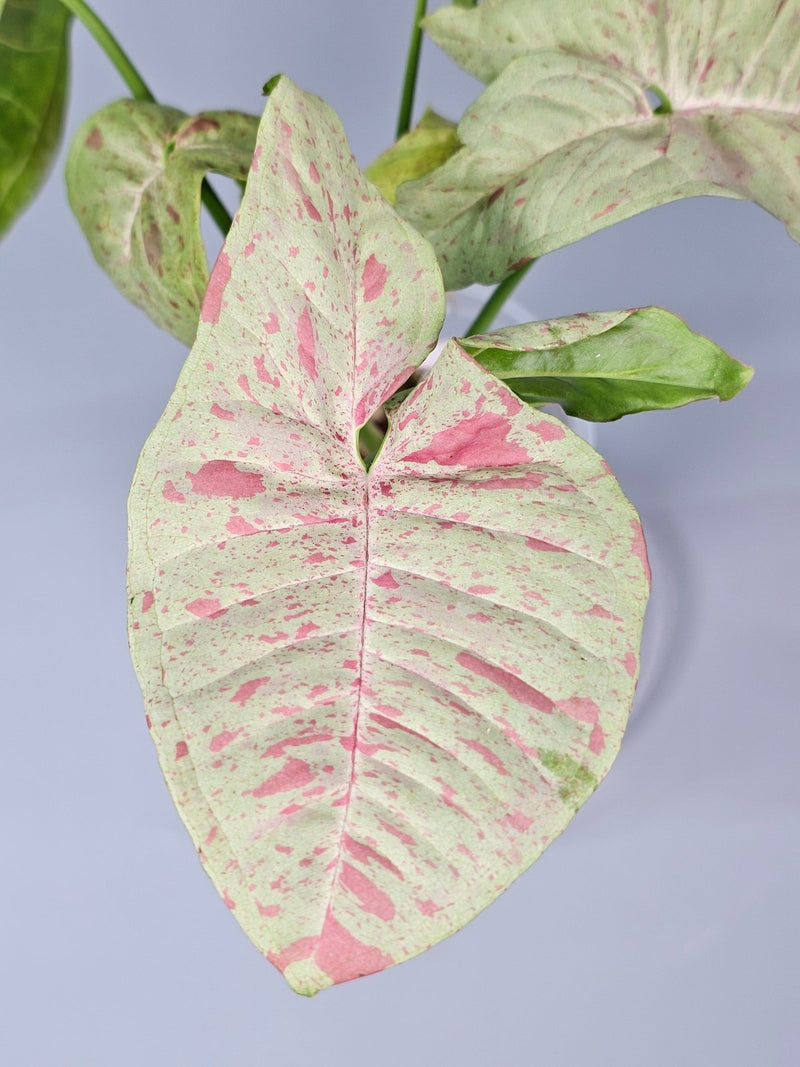
Best Rare Plants for Bathrooms and Humid Rooms Welcome to the lush world of indoor gardening where humidity-loving rare houseplants can transform your bathroom or any humid room into a tropical paradise. If you're considering adding some greenery to these parts of your home, you've stumbled upon the perfect guide. Here, we'll explore some of the best rare plants that thrive in humid environments, offering both aesthetic pleasure and practical benefits. So, whether you're a novice or a seasoned plant parent, these suggestions will help you create your very own indoor jungle. Why Choose Rare Houseplants for Humid Areas? Humid areas like bathrooms are typically challenging for many household plants, but not for those that originate from damp, tropical climates. These plants not only survive but thrive in high humidity, making them perfect for such settings. Additionally, incorporating rare houseplants enhances your decor with unique and exotic aesthetics that are often hard to find. Top Rare Houseplants for Your Humid Spaces Anthuriums - Known for their glossy foliage and bright floral spathes, anthuriums love the steam from your shower. They don't just look good; they also purify the air. Check out different varieties like the Anthurium clarinervium or Anthurium 'Queen' on our Anthurium Collection. Philodendron - With their diverse leaf shapes and sizes, philodendrons are a favourite among plant enthusiasts. They appreciate the moisture in the air after a hot bath, making them ideal for bathroom settings. Explore options like Philodendron gloriosum in our Philodendron Collection. Monstera - These striking plants, with their iconic split leaves, bring a dramatic touch to any space. Monsteras do well in humid conditions and can grow quite large, giving a bold statement. Find them in our Monstera Collection. Alocasia - Known for their arrowhead leaves and striking veins, Alocasias are another great choice for humid areas. They thrive with regular misting. Visit our Alocasia Collection to see options like Alocasia 'Dragon Scale'. Syngonium - Syngoniums are versatile and low maintenance, making them perfect for beginners. Their love for humidity and indirect light suits bathroom environments perfectly. Discover our range in the Syngonium Collection. Care Tips for Thriving Humidity-Loving Plants Light - Ensure your plants receive enough indirect light. Many tropical plants can tolerate low light but thrive in bright, indirect sunlight. Water - Although these plants enjoy humidity, their watering needs vary. Always check the soil before watering to prevent overwatering. Temperature - Keep your plants in a warm environment, avoiding any drafts or sudden temperature changes. Fertilisation - Feed your plants during the growing season with a balanced fertiliser to support their growth. FAQs How often should I water my bathroom plants? Check the soil moisture levels regularly; water only when the top inch of the soil feels dry. Overwatering can lead to root rot, especially in humid conditions. What are the signs of too much humidity for plants? Signs include yellowing leaves, moldy soil, and a general look of being unwell. Ensure proper ventilation to combat excessive humidity. Can all rare houseplants thrive in bathroom conditions? No, not all rare houseplants will thrive in humid conditions. It's important to match the right plant with the right environment. Research before purchasing. Conclusion Choosing the right rare houseplants for your bathroom or any humid room can greatly enhance the space's aesthetic and improve air quality. With the variety of plants available that thrive in moisture-rich environments, you can easily find one that suits your style and care preferences. Remember, each plant has unique needs, so understanding these will help you maintain a healthy and vibrant indoor garden. For more detailed care guides on specific rare houseplants, consider reading our articles on reviving a drooping Anthurium or growing Epipremnum pinnatum 'Dragon Tail'. Happy planting!
Read more

How to Tell If Your Syngonium Needs Repotting - Odd Leaf

by Odd Leaf

How to Tell If Your Syngonium Needs Repotting

How to Tell If Your Syngonium Needs Repotting As a beloved member of the Syngonium family, these plants are not only visually appealing but also relatively easy to care for, making them a popular choice among enthusiasts of rare houseplants. However, like all plants, Syngoniums have specific needs, including the occasional repotting. Not sure if your plant requires a new home? Let’s explore the telltale signs and steps to ensure your Syngonium thrives in its pot. Signs Your Syngonium Needs Repotting Roots are growing through the drainage holes: This is a clear sign that your Syngonium has outgrown its current pot and is searching for more space to expand. Water flows straight through the pot: If water isn’t staying in the pot long enough to moisten the soil, it could be because the roots have taken up too much space, leaving little room for the soil to retain moisture. Slowed growth: While Syngoniums are not the fastest growers, a noticeable slowdown in growth or a lack of new leaves during the growing season can indicate that repotting is needed. Visible salt and mineral build-up on the soil surface: This often happens when there’s not enough fresh soil to absorb and filter feedings and water. Choosing the Right Pot and Soil When repotting your Syngonium, choosing the right pot and soil is crucial for its health and growth. Here’s a quick guide: Select a pot that is 1-2 inches larger in diameter than the current one: This ensures enough room for growth without leaving too much space, which can lead to waterlogging. Ensure the pot has adequate drainage: Good drainage is vital to prevent root rot and other water-related issues. Opt for a well-draining potting mix: A mix designed for aroids or tropical plants works well for Syngoniums, providing the right balance of drainage and water retention. Step-by-Step Guide to Repotting Your Syngonium Prepare your new pot and soil: Have your pot and soil ready. You might also want to add some slow-release fertilizer to the mix to give your plant a good start in its new home. Gently remove the plant from its current pot: Tap the sides of the pot and carefully pull the plant out. If the roots are tightly bound, gently tease them apart with your fingers. Trim any excessively long or rotted roots: This will encourage healthier growth and prevent potential health issues. Place the plant in the new pot: Add a layer of soil at the bottom, set your plant in, and fill around the sides with more soil. Gently tap the pot to settle everything in place. Water thoroughly: Once repotted, give your Syngonium a good water to help it settle in and reduce transplant shock. FAQ: Repotting Syngonium How often should I repot my Syngonium? Typically, Syngoniums should be repotted every 18-24 months, though this can vary based on the growth rate and conditions within your home. Can I use regular houseplant soil for my Syngonium? While regular houseplant soil can be used, it's better to opt for a mix that provides better drainage, such as those formulated for tropical plants or aroids. What is the best time of year to repot Syngoniums? The best time to repot is during the growing season, typically spring or early summer, as this is when the plant can best recover and grow into its new pot. Repotting your Syngonium not only refreshes its environment but also encourages a healthier and more vigorous plant. Keep an eye out for the signs that it’s time to repot, and your plant will continue to thrive and beautify your space. For more tips on caring for your rare houseplants, stay tuned to our blog! Interested in more care tips for your tropical favourites? Check out our guides on how to grow Epipremnum pinnatum 'Dragon Tail' and Anthurium clarinervium care.

Read more

Instagrammable Rare Houseplants That Steal the Show - Odd Leaf

by Odd Leaf

Instagrammable Rare Houseplants That Steal the Show

Instagrammable Houseplants That Steal the Show If you’re an avid plant lover scrolling through social media, you've likely noticed some stunning, unique foliage popping up on your feed. Yes, we're talking about those rare houseplants that make you stop and stare. Not only do they enhance the beauty of any space, but they also add a touch of exclusivity to your collection. Let's dive into some of the most Instagrammable rare houseplants that are sure to steal the show. Monstera Obliqua Often hailed as the 'Holy Grail' of Monsteras, the Monstera Obliqua is famed for its extreme fenestrations. This plant is a showstopper with leaves more hole than leaf. It's not just rare; it’s a piece of living art! Light: Bright, indirect sunlight. Water: Allow the top inch of soil to dry out between waterings. Tip: High humidity and warm temperatures help replicate its natural tropical environment. Philodendron Spiritus Sancti Among the rarest philodendrons, the Philodendron Spiritus Sancti boasts long, elegant leaves with a dramatic taper. Its scarcity and striking appearance make it a coveted gem for collectors. Light: Bright, indirect light is ideal. Water: Keep the soil consistently moist but not soggy. Tip: Use a well-draining soil mix to prevent root rot. Anthurium Veitchii Known as the 'King Anthurium', this plant features long, pendulous leaves with a leathery texture. Its rugged yet regal appearance makes it a popular choice for those looking to add a dramatic flair to their indoor jungle. Light: Prefers bright, indirect light. Water: Water when the top layer of soil feels dry to the touch. Tip: Regular misting will keep its leaves lush and vibrant. Alocasia Azlanii The Alocasia Azlanii, also known as 'Red Mambo', is distinguished by its stunning, deep red leaf undersides and vibrant green tops. This rare Alocasia adds a splash of colour and exotic charm to any plant collection. Light: Thrives in bright, indirect lighting. Water: Water moderately, allowing the soil to dry slightly between waterings. Tip: Maintain high humidity to mimic its natural tropical habitat. Syngonium Podophyllum Albo-Variegatum This variegated Syngonium offers a stunning contrast with its white and green leaves, making it a favourite among plant enthusiasts who appreciate intricate leaf patterns. It's not only beautiful but also relatively easy to care for. Light: Medium to bright, indirect light. Water: Keep the soil consistently moist during the growing season. Tip: Less water is needed in the winter months. FAQs about Caring for Rare Houseplants Are rare houseplants difficult to care for? While some rare houseplants can be more demanding, many are quite manageable with the right care and environment. Research each plant’s specific needs for the best results. How often should I fertilise my rare houseplants? During the growing season (spring and summer), fertilise every 4-6 weeks using a balanced, water-soluble fertiliser. Reduce feeding in the autumn and winter months. Can I propagate rare houseplants? Many rare houseplants can be propagated from cuttings or division. Ensure you use the correct technique for each plant type to increase your chances of success. For more detailed care guides and tips on specific rare houseplants, check out our related articles on choosing the right rare Anthurium and reviving a drooping Anthurium. Adding one or more of these Instagrammable rare houseplants to your home not only spices up your feed but also brings a piece of exotic nature into your living space. With proper care, these stunning plants can thrive and bring joy for years to come.

Read more

Rare Anthuriums You’ll Want in Your Collection - Odd Leaf

by Odd Leaf

Rare Anthuriums You’ll Want in Your Collection

Rare Anthuriums You’ll Want in Your Collection If you're a houseplant enthusiast eager to diversify your indoor jungle, the exotic allure of rare Anthuriums must surely be on your radar. Known for their striking foliage and vibrant flowers, these rare houseplants offer a splash of the tropics right in your living room. Here’s a guide to some of the most coveted rare Anthuriums that would make a stunning addition to any plant collection. Top Rare Anthurium Varieties While many may be familiar with the common red-flowered Anthuriums, the rarer varieties possess an enchanting beauty that is hard to overlook. Here are a few you might consider: Anthurium clarinervium - Admired for its heart-shaped, velvety leaves with striking white venation. Anthurium warocqueanum (Queen Anthurium) - Known for its long, dark green leaves that can grow up to 4 feet in length. Anthurium veitchii (King Anthurium) - Features long, pendulous leaves with a ribbed texture that can reach several feet in length. Anthurium forgetii - This species stands out due to its round, full leaves that lack the typical sinus and perforations of other types. Anthurium magnificum - Recognizable for its large, dark green leaves with prominent white veins. Care Tips for Rare Anthuriums Caring for rare Anthuriums isn't vastly different from looking after more common varieties, but they do require a bit of extra attention to thrive: Light: Provide bright, indirect light. Too much direct sunlight can scorch their leaves, while too little can stunt their growth. Water: Water when the top inch of soil feels dry to the touch. Ensure good drainage to avoid root rot. Humidity: These tropical natives love humidity. Aim for 60-80% humidity around the plant. Soil: Use a well-draining, airy potting mix designed for epiphytes. Fertilisation: Feed with a balanced, water-soluble fertilizer every other month during the growing season. For a deeper dive into caring for these beauties, check out our detailed guide on Anthurium clarinervium care. Common Questions About Rare Anthuriums How often should I repot my rare Anthurium? Repot every 2-3 years or when the roots have outgrown the pot. This will provide fresh nutrients and encourage growth. Are rare Anthuriums toxic to pets? Yes, like many houseplants, Anthuriums are toxic if ingested. Keep them out of reach of pets and children. How can I increase humidity for my Anthuriums? Use a humidifier, place a water tray nearby, or group plants together to create a microenvironment with higher humidity. Where to Buy Rare Anthuriums Finding rare Anthuriums can be a challenge, but a good starting point is the Rare Collection at Odd Leaf Houseplants. Always ensure that you are buying from reputable sellers to avoid scams and ensure plant health. Conclusion Rare Anthuriums are not just plants; they are a fascinating hobby and a unique decor element for any indoor space. With the right care, these stunning rare houseplants can flourish and bring continuous joy with their spectacular foliage and occasional blooms. Why not start or expand your collection today? Interested in other rare plants? Check out our guides on Monstera and Philodendron varieties to find more extraordinary species to add to your collection.

Read more

Rare Houseplant Trends to Watch in 2025

by Odd Leaf

Rare Houseplant Trends to Watch in 2025

Rare Houseplant Trends to Watch in 2025 Welcome to the lush world of rare houseplants! As we look ahead to 2025, the trends in houseplant cultivation and collection are as vibrant and varied as the plants themselves. Whether you're a seasoned green thumb or a budding plant enthusiast, staying ahead of the curve with these emerging trends can help you cultivate a truly unique indoor jungle. Let's explore what's taking root in the world of rare houseplants. 1. Exotic Aroids Continue to Captivate Aroids have long been favourites among collectors due to their extraordinary leaf shapes and patterns. In 2025, we expect to see a surge in the popularity of lesser-known aroids like the Philodendron spiritus-sancti and Anthurium veitchii. These plants not only offer stunning foliage but are also relatively easy to care for, making them perfect for both beginners and experts. Explore our Philodendron collection here. Check out our Anthurium options here. 2. Rising Stars: Variegated and Patterned Plants Variegation in plants has always been a coveted trait, and in 2025, the demand for variegated species, such as the Monstera albo and Syngonium podophyllum albo-variegatum, is expected to grow even further. The striking contrast in their leaves makes them standout pieces in any plant collection. Discover more about Monstera at this link. Find exquisite Syngonium varieties here. 3. Ethical and Sustainable Collection As the demand for rare houseplants increases, so does the responsibility to cultivate them sustainably. In 2025, ethical propagation and trade practices will become even more important. Hobbyists and nurseries alike are expected to focus on tissue culture and other sustainable methods of propagation to ensure that wild populations of rare plants are preserved. 4. Plants with Benefits: Air Purification and Wellness Plants like Alocasia, known for their air-purifying qualities, are set to become even more popular as people continue to seek healthier living environments. The trend extends to plants that contribute to mental well-being, creating tranquil green spaces in homes. Browse our Alocasia collection here. 5. Tech-Enhanced Plant Care Technology will play a significant role in rare houseplant care by 2025. Apps that provide care reminders and augmented reality (AR) that shows plant placement and health simulations will become commonplace, making plant care easier and more interactive. Frequently Asked Questions What makes a houseplant "rare"? Rare houseplants are typically those that are hard to find or cultivate. They might be rare due to limited natural habitats, slow growth rates, or being newly discovered species. Explore more about what makes a plant rare here. Are rare houseplants difficult to care for? Not necessarily. While some rare houseplants require specific conditions to thrive, many are quite resilient. It's all about understanding the needs of each species. For tips on easy-to-care-for rare houseplants, click here. How can I start my own rare houseplant collection? Starting your collection can be as simple as choosing one or two species that intrigue you and learning about their care needs. For a budget-friendly approach to building your collection, visit this guide. As 2025 approaches, the excitement around rare houseplants shows no signs of waning. By embracing these trends, you'll not only enhance your living space but also join a community of enthusiasts who share your passion for the extraordinary. Happy planting!

Read more