Certified Plant Passports

100% Positive Feedback

5 Star Rating

Grown With Care

chevron_left chevron_right

Learn about all things houseplants

View

5 Easy Rare Houseplants Anyone Can Keep Alive - Odd Leaf

by Odd Leaf

5 Easy Rare Houseplants Anyone Can Keep Alive

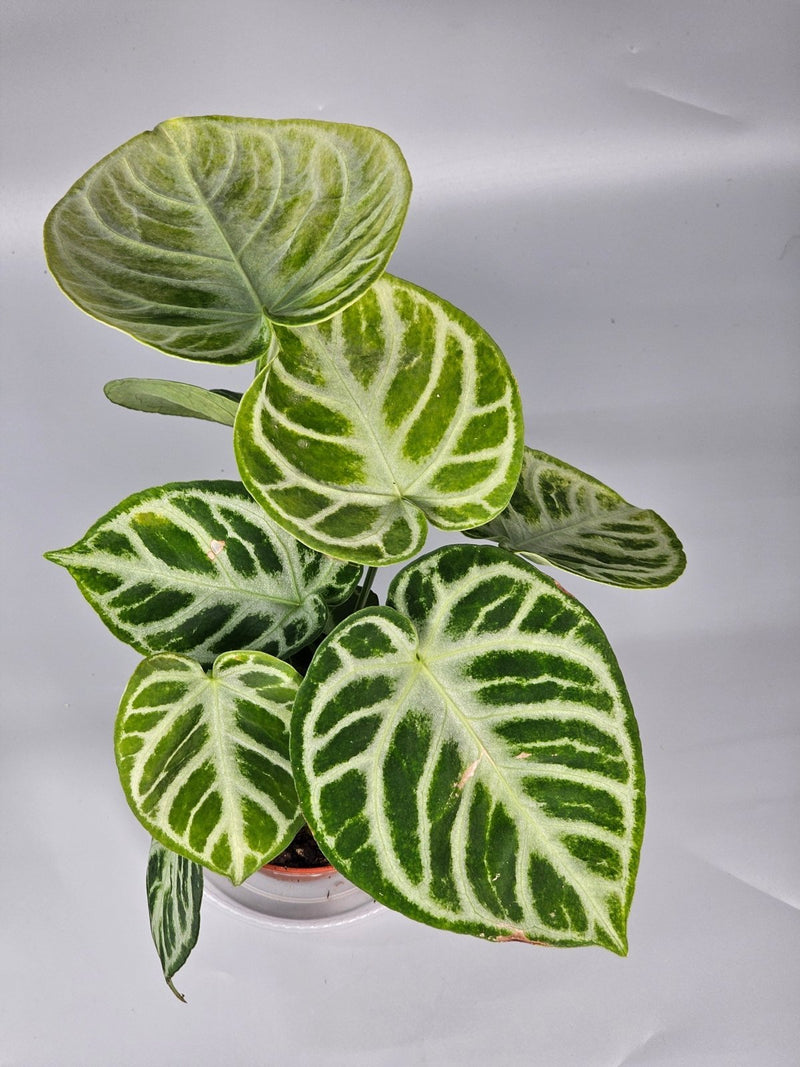
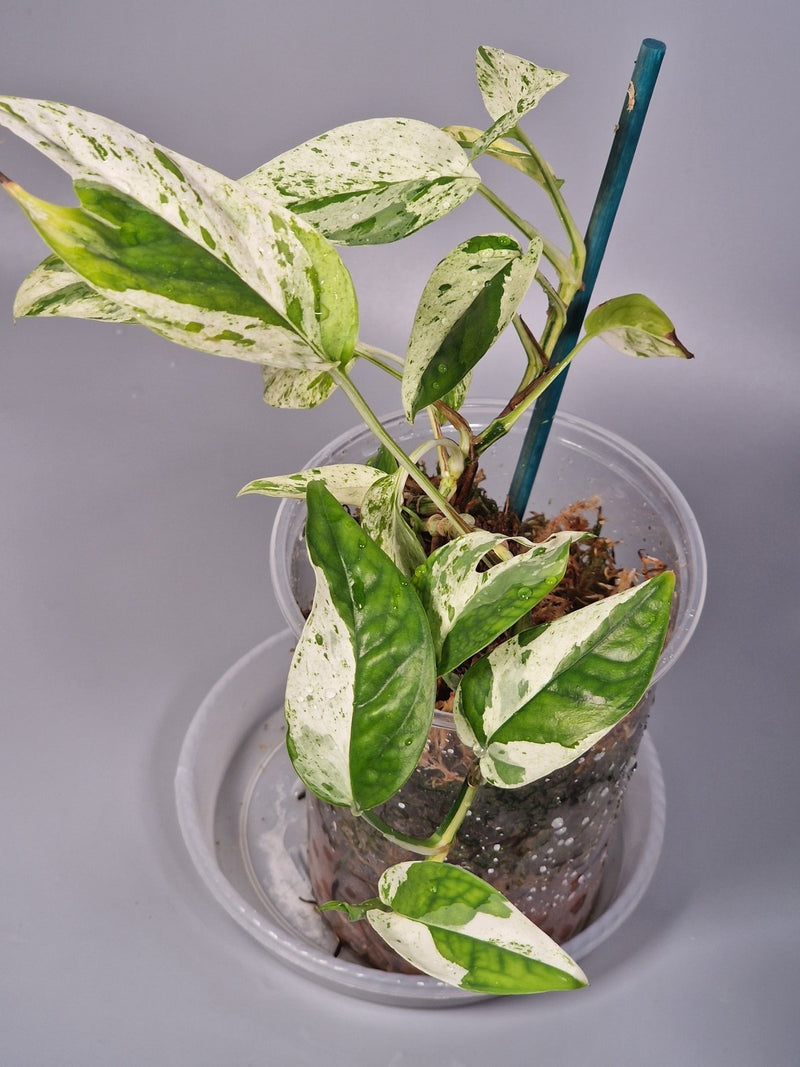
5 Easy Rare Houseplants Anyone Can Keep Alive Welcome to the enchanting world of rare houseplants, where unusual leaf patterns and striking forms make them coveted by plant enthusiasts worldwide. But don't let their exotic looks intimidate you! Here are five rare houseplants that are surprisingly easy to care for, making them perfect for both beginners and intermediate plant lovers. 1. Philodendron 'Brasil' One of the more forgiving members of the Philodendron family, the 'Brasil' variety is known for its vibrant green and yellow variegated leaves. It thrives in moderate to low light and only requires watering when the top inch of soil feels dry to the touch. Light: Moderate to low indirect light Water: Allow the top inch of soil to dry out before watering Tip: Regularly dust the leaves to keep them shiny and healthy 2. Anthurium clarinervium This stunning plant is prized for its heart-shaped leaves and contrasting veins. It demands a bit more humidity than your average houseplant, making it perfect for a bathroom with natural light. Learn more about its care in our detailed guide on how to avoid common mistakes with Anthurium clarinervium. Light: Bright, indirect light Water: Keep evenly moist but not soggy Extra Care: High humidity is a must 3. Alocasia 'Silver Dragon' Alocasia varieties are striking but can be tricky. However, the 'Silver Dragon' is more tolerant than most. It enjoys a warm spot with high humidity and indirect light. If you’re curious about more detailed care or other varieties, check out our post on keeping Alocasia 'Jacklyn' happy. Light: Bright, indirect light Water: Allow the topsoil to dry slightly between waterings Tip: Prone to spider mites, so keep an eye out for pests 4. Syngonium 'Albo Variegata' Also known as the Arrowhead Plant, this variegated form of Syngonium adds a splash of colour with less fuss. It’s adaptable to various lighting conditions and only needs watering when dry. Explore more about this versatile plant in our Syngonium collection. Light: Anywhere from low to bright indirect light Water: Water when the top inch of soil is dry Tip: Tolerates lower humidity than many rare houseplants 5. Epipremnum 'Cebu Blue' A rare type of Pothos, the 'Cebu Blue' has stunning, silvery-blue leaves that can brighten any room. It's incredibly low-maintenance, grows well in hanging baskets, and can be trained to climb. For more tips on care and styling, see our guide on how to make Epipremnum 'Cebu Blue' trail. Light: Thrives in moderate to bright indirect light Water: Water when soil is dry; quite drought-tolerant Tip: Perfect for beginners and busy plant owners FAQ: Caring for Rare Houseplants Q: How often should I fertilize my rare houseplants? A: During the growing season (spring and summer), fertilize your rare houseplants every 4-6 weeks. In the dormant season (autumn and winter), reduce fertilization to once every 2-3 months. Q: What is the best potting mix for rare houseplants? A: Most rare houseplants thrive in a well-draining, aerated potting mix. A mix of peat, perlite, and vermiculite often works well. Adjust the components based on the specific needs of your plant. Embracing the world of rare houseplants can transform your indoor garden into a lush, vibrant sanctuary. With these easy-care beauties, even novice plant parents can enjoy the exotic allure of rare houseplants without the fuss. Happy planting!
Read more

Buyer's Guide: Choosing the Right Rare Anthurium for Your Home - Odd Leaf

by Odd Leaf

Buyer's Guide: Choosing the Right Rare Anthurium for Your Home

Buyer's Guide: Choosing the Right Rare Anthurium for Your Home Welcome to the enchanting world of rare houseplants, where the allure of the unique Anthurium species captivates plant enthusiasts and decorators alike. If you're keen to add a touch of exotic flair to your indoor garden with a rare Anthurium, you're in just the right place. This guide will walk you through selecting the perfect Anthurium for your home, offering practical tips and insights to ensure your green investment thrives. Understanding Anthuriums Anthuriums, often known as 'Flamingo Flowers' or 'Laceleaf', are beloved for their spectacular foliage and vibrant floral spathes. Originating from tropical rainforests in Central and South America, these plants require conditions similar to their native habitats to flourish indoors. Before diving into the different types available, let's understand what makes Anthuriums special among rare houseplants: Visual Appeal: With glossy leaves and often bright, heart-shaped blooms, Anthuriums add a striking visual element to any room. Variety: The genus encompasses a wide range of species and hybrids, each with unique characteristics in terms of leaf shape, color, and size. Air Purification: Like many houseplants, Anthuriums can help purify the air, making your home fresher and more inviting. Popular Rare Anthurium Varieties When choosing a rare Anthurium, consider these popular varieties which are known for their distinctive beauty and relatively straightforward care: Anthurium clarinervium - Known for its heart-shaped, velvety leaves with striking white venation. Anthurium warocqueanum (Queen Anthurium) - Famous for its long, dark green leaves that can grow up to a meter in length. Anthurium veitchii (King Anthurium) - This variety boasts long, pendulous leaves with a ribbed texture. For more detailed care instructions on these varieties, you might find our article on Anthurium clarinervium care helpful. Choosing the Right Environment To ensure your Anthurium thrives, replicate its natural humid, warm environment as closely as possible: Light: Provide bright, indirect sunlight. Direct sun can scorch the leaves, while too little light can reduce flowering. Humidity: Aim for 60-80% humidity. Consider using a humidifier or placing your plant in a well-lit bathroom if the air in your home is dry. Temperature: Keep the temperature between 18°C and 27°C. Avoid draughty areas or sudden temperature changes. Plant Care Tips Caring for rare Anthuriums involves more than just regular watering and feeding; it's about understanding their unique needs: Watering: Water your Anthurium when the top inch of soil feels dry to the touch. Ensure good drainage to prevent root rot. Feeding: Feed every six to eight weeks during the growing season with a balanced, water-soluble fertilizer diluted to half the recommended strength. Pruning and Maintenance: Regularly remove any yellowing or dead leaves to encourage new growth and maintain the plant’s appearance. Common Questions About Rare Anthuriums FAQ: How often should I repot my Anthurium? Repot every two to three years or when the roots outgrow the current pot. Spring is the best time for repotting to minimize stress on the plant. Are Anthuriums toxic to pets? Yes, Anthuriums are toxic if ingested by pets. They contain calcium oxalate crystals which can irritate the mouth and digestive system. Why are my Anthurium's leaves turning yellow? This could be due to overwatering, low humidity, or nutrient deficiency. Adjust your care regimen accordingly, and consult our troubleshooting guide here. Where to Buy Rare Anthuriums Ready to start your journey with a rare Anthurium? Visit our Anthurium collection to explore the varieties available. For more exotic options, browse our Rare Collection. Choosing the right rare Anthurium for your home can transform your space into a vibrant, tropical paradise. With the right care and environment, these stunning plants can provide years of beauty and enjoyment. Welcome to the lush world of rare houseplants!

Read more

How to Grow Epipremnum Pinnatum (Dragon Tail Plant) - Odd Leaf

by Odd Leaf

How to Grow Epipremnum Pinnatum (Dragon Tail Plant)

How to Grow Epipremnum Pinnatum (Dragon Tail Plant) Welcome to the enchanting world of rare houseplants, where every plant tells a story and adds a touch of nature’s magic to your home. Today, we’re diving into the lush, tropical allure of the Epipremnum pinnatum, commonly known as the Dragon Tail Plant. Ideal for both beginner and intermediate plant lovers, this guide will equip you with all the knowledge you need to nurture and flourish your very own Dragon Tail Plant. Introduction to Epipremnum Pinnatum Epipremnum pinnatum, a striking member of the Araceae family, is celebrated for its beautiful, fenestrated leaves and robust growth. Originating from Southeast Asia, this vine is not only a visual delight but also an efficient air purifier, making it a popular choice among rare houseplant enthusiasts. Optimal Growing Conditions Light: Thrives in bright, indirect light. Avoid direct sunlight, which can scorch its leaves. Water: Water when the top inch of soil feels dry to the touch. Ensure good drainage to prevent root rot. Humidity: Prefers high humidity environments. Consider using a humidifier or placing the plant on a pebble tray. Temperature: Ideal temperatures range from 18°C to 25°C. Avoid placing your plant near cold drafts or heating vents. Planting and Care Potting: Use a well-draining potting mix. A blend of potting soil, perlite, and orchid bark is ideal. Fertilising: Feed with a balanced, water-soluble fertilizer every 4-6 weeks during the growing season. Pruning: Prune as needed to control growth and encourage bushier foliage. Repotting: Consider repotting every 2-3 years to refresh the soil and accommodate growth. Common Issues and Solutions Issue Symptoms Solution Overwatering Yellowing leaves, root rot Ensure good drainage, let soil dry out between waterings Underwatering Dry, crispy leaves Water more frequently, maintain consistent moisture levels Low Humidity Brown leaf tips Use a humidifier or pebble tray to increase humidity Pests Visible bugs, sticky leaves Treat with insecticidal soap or neem oil Frequently Asked Questions How fast does Epipremnum pinnatum grow? Under optimal conditions, the Dragon Tail Plant can exhibit fast growth, especially in the warmer months. Regular pruning can help manage its vigor. Can Epipremnum pinnatum grow in low light? While it can tolerate low light conditions, growth may slow, and the leaves may lose their characteristic fenestrations. Bright, indirect light is ideal. Is Epipremnum pinnatum toxic to pets? Yes, like many members of the Araceae family, the Dragon Tail Plant is toxic if ingested. Keep it out of reach of pets and small children. Wrapping Up The Epipremnum pinnatum is a versatile and stunning addition to any indoor garden collection. Its care requirements are straightforward, making it suitable for plant lovers of all levels. With the right conditions and a bit of love, your Dragon Tail Plant will thrive and transform your space into a tropical sanctuary. Explore more about nurturing rare houseplants and discover other fascinating species by visiting our complete collection. Happy planting!

Read more

Pet-Safe Rare Houseplants You Can Buy With Confidence - Odd Leaf

by Odd Leaf

Pet-Safe Rare Houseplants You Can Buy With Confidence

Pet-Safe Rare Houseplants You Can Buy With Confidence Welcome to the lush and intriguing world of rare houseplants! If you’re a houseplant enthusiast with furry friends at home, you know the importance of choosing plants that are safe for your pets. In this blog post, we'll explore some stunning rare houseplants that are both breathtaking and non-toxic to cats and dogs, ensuring peace of mind for pet owners. Why Choose Pet-Safe Rare Houseplants? Combining the allure of rare houseplants with the safety needed for pets creates a unique indoor environment that is both aesthetically pleasing and stress-free. These plants not only enhance your home decor but also keep your beloved animals safe from potential harm. Top Pet-Safe Rare Houseplants Here are some exceptional choices that will delight any plant lover looking for both rarity and safety: Calathea Orbifolia - Known for its large, round leaves with striking stripes, this Calathea species is perfect for pet owners due to its non-toxic nature. Maranta Leuconeura (Prayer Plant) - With its dramatic leaf movements and vibrant leaf designs, the Prayer Plant is another safe option for homes with pets. Peperomia Obtusifolia (Baby Rubber Plant) - This charming plant features thick, spoon-shaped leaves and a compact form, making it ideal for smaller spaces and completely safe for pets. Care Tips for Your Pet-Safe Rare Houseplants Caring for these rare beauties doesn’t have to be complicated. Here are some simple tips to keep them thriving: Light: Most pet-safe rare houseplants prefer indirect light. Placing them near a window with sheer curtains can provide the perfect amount of light. Water: It’s crucial to understand the watering needs of each plant. For instance, Calatheas prefer consistently moist soil, whereas Peperomias are more drought-tolerant. Humidity: Many rare houseplants, like the Prayer Plant, thrive in higher humidity. Regular misting or a humidifier can help meet their needs. Frequently Asked Questions What are some common toxic plants to avoid if I have pets? Avoid plants like Dieffenbachia, Monstera, and many Philodendrons, as they can be toxic to pets if ingested. Always check the toxicity of a plant before bringing it into your home. How can I ensure that a plant is truly pet-safe? Consult resources like the ASPCA's list of non-toxic plants for pets, or speak with a veterinarian for advice tailored to your specific animals and the plants you’re interested in. Can I still have rare plants if I have very active pets? Absolutely! Consider placing plants in higher spots or using decorative plant stands and hanging planters to keep them out of reach of curious pets.   For more insights on caring for rare houseplants, you might find these articles helpful: How to Revive a Drooping Anthurium Why Rare Houseplants Are Worth the Investment Buyer's Guide: Choosing the Right Rare Anthurium for Your Home Embrace the beauty of rare houseplants without compromising the safety of your pets. With the right knowledge and care, you can create a thriving green space that is both safe and spectacular!

Read more

Philodendron Melanochrysum vs Gloriosum: What’s the Difference? - Odd Leaf

by Odd Leaf

Philodendron Melanochrysum vs Gloriosum: What’s the Difference?

Philodendron Melanochrysum vs Gloriosum: What’s the Difference? For lovers of rare houseplants, the Philodendron genus offers an array of stunning options that can add a tropical flair to any indoor space. Among these, Philodendron melanochrysum and Philodendron gloriosum stand out due to their unique beauty and growing habits. While both plants are celebrated for their aesthetic appeal, they possess distinct characteristics that cater to different tastes and care preferences. Introduction to Philodendron Melanochrysum and Gloriosum Philodendron melanochrysum, commonly known as Black Gold Philodendron, and Philodendron gloriosum, often referred to as the Glorious Philodendron, are both native to the tropical regions of South America. These plants are highly sought after by collectors and enthusiasts for their decorative leaves and overall striking presence. Visual Characteristics Although both species belong to the same genus, their visual appearance sets them apart distinctly: Leaf Shape and Texture: Philodendron melanochrysum features elongated, heart-shaped leaves with a velvety texture and prominent veining. The leaves are dark green with a metallic sheen. In contrast, Philodendron gloriosum sports broad, heart-shaped leaves that are more rounded and have a matte texture with white or light green veins. Leaf Size: Both plants produce large leaves, but the leaves of P. gloriosum are generally broader, while P. melanochrysum's are longer and more narrow. Growth Habit: P. melanochrysum has a climbing habit, making it ideal for trellises or poles. P. gloriosum, however, is a creeper that spreads horizontally across the ground or a potting surface. Care Requirements While both plants share some basic care requirements typical of Philodendrons, such as indirect light and well-draining soil, there are some nuances: Lighting: P. melanochrysum thrives in moderate to bright indirect light, whereas P. gloriosum prefers slightly dimmer conditions. Watering: Both plants need consistent moisture but should not be waterlogged. Allow the top inch of soil to dry out before watering again. Humidity: High humidity benefits both plants, mimicking their native jungle environments. Regular misting or a humidifier can help achieve this atmosphere. Propagation Techniques Propagation for both species can be similarly achieved through stem cuttings. However, due to their different growth habits, the approach might require slight adjustments: Stem Cuttings for P. melanochrysum: Choose a section with at least one node and a few leaves, then plant in moist soil or water until roots develop. Stem Cuttings for P. gloriosum: Due to its creeping nature, it's often easier to propagate from sections of rhizomes with a few leaves attached. Common Issues and Solutions Both plants can encounter similar issues such as pests, yellowing leaves, or root rot. Here are a few common problems and their solutions: Pests: Watch for signs of aphids, spider mites, and mealybugs. Use insecticidal soap or neem oil as a safe treatment option. Yellowing Leaves: This could be due to overwatering, under-watering, or lack of nutrients. Adjust your watering schedule accordingly and consider a balanced fertilizer. Root Rot: Often a result of overwatering. Ensure your pots have good drainage and that the soil does not remain soggy. Frequently Asked Questions (FAQ) Which Philodendron is easier to care for? Both P. melanochrysum and P. gloriosum have similar care needs. However, P. gloriosum might be slightly more forgiving due to its tolerance for lower light levels. Can these Philodendrons be grown outdoors? While both can be grown outdoors in tropical climates, they are primarily suited as indoor plants in temperate zones to protect them from cold temperatures and excessive direct sunlight. Where can I buy these rare houseplants? Both species are available in our Rare Collection. Stock can vary, so keep an eye on availability and special offers. In conclusion, whether you choose Philodendron melanochrysum or Philodendron gloriosum depends largely on your aesthetic preference and space availability. Both offer lush, tropical beauty and a rewarding gardening experience for enthusiasts willing to meet their care needs. Explore more about Philodendrons and other rare houseplants to expand your indoor jungle.

Read more

Top 7 Reasons Your Philodendron Isn’t Growing - Odd Leaf

by Odd Leaf

Top 7 Reasons Your Philodendron Isn’t Growing

Top 7 Reasons Your Philodendron Isn’t Growing Philodendrons, with their lush, green foliage, are a staple in many plant collections, especially among enthusiasts of rare houseplants. However, sometimes these robust plants can suddenly stop growing. If your philodendron has been looking a bit lackluster, here are seven potential reasons why and how you can encourage it back to health. 1. Inadequate Light Light is a fundamental aspect of plant growth. Philodendrons thrive in bright, indirect sunlight. Too little light can lead to slowed growth and smaller leaves, while too much direct sunlight can cause leaf burn. To remedy this: Position your philodendron where it can receive filtered sunlight, such as near a window with sheer curtains. If natural light is limited, consider using grow lights. 2. Improper Watering Both overwatering and underwatering can stress your philodendron, leading to poor growth. Philodendrons prefer their soil to be consistently moist but not soggy. Tips for proper watering include: Water when the top inch of soil feels dry to the touch. Ensure the pot has good drainage to prevent water from sitting at the roots. 3. Nutrient Deficiencies Lack of essential nutrients can stifle your philodendron's growth. Regular feeding during the growing seasons (spring and summer) can make a big difference. Use a balanced, water-soluble fertilizer every four to six weeks. If you notice yellowing leaves or stunted growth, it might be time to replenish the soil or consider a foliar feed. 4. Pot Size and Root Bound A pot that's too small can restrict your plant's root system, which can severely impact its growth. If your philodendron's growth has stalled, check if it's root-bound by gently removing it from its pot. If you see roots circling tightly around the soil, it's time to repot into a slightly larger container. 5. Humidity and Temperature Philodendrons are tropical plants, so they flourish in warm and humid environments. If your home is too dry or experiences drastic temperature fluctuations, this could be stressing your plant. Try to maintain a room temperature between 18-25°C and increase humidity with a humidifier or by placing a water tray near your plant. 6. Pests and Diseases Pests like spider mites, mealybugs, and aphids can hinder your philodendron's growth by sapping vital nutrients from the leaves. Regularly inspect your plant for signs of infestation and treat promptly with insecticidal soap or neem oil. Also, watch out for common diseases such as root rot, which is often caused by overwatering. 7. Poor Soil Quality The right soil mix can make a significant difference in the health of your philodendron. These plants prefer a well-draining, nutrient-rich soil. Consider mixing in perlite or vermiculite to improve drainage and aeration. Refreshing the soil every couple of years can also help maintain nutrient levels. FAQs About Growing Philodendrons Q: How often should I repot my philodendron? A: Generally, repotting every 2-3 years or when the plant becomes root-bound is recommended. Q: Can philodendrons grow in artificial light? A: Yes, philodendrons can thrive under grow lights, especially if natural sunlight is insufficient. Q: Are philodendrons toxic to pets? A: Yes, philodendrons can be toxic if ingested. It's best to keep them out of reach of pets and children. For pet-safe options, check out this article. Understanding the specific needs of your philodendron can transform it from stagnant to thriving. With the right care, these beautiful rare houseplants can be a lush, vibrant part of your indoor garden. For more tips on caring for other types of rare houseplants, explore our full collection.

Read more