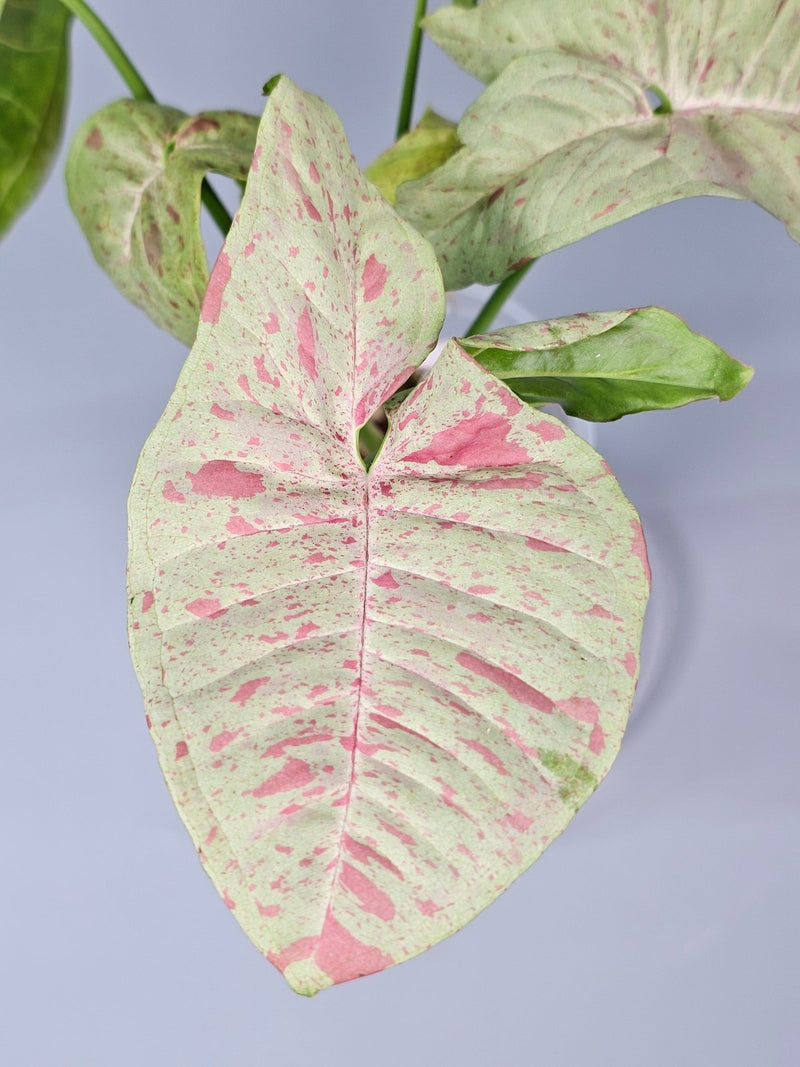

by Odd Leaf
How Often Should You Repot Rare Houseplants in the UK?
How Often Should You Repot Rare Houseplants in the UK? Welcome to the world of rare houseplants, where the care and maintenance can sometimes feel as intricate as the plants are beautiful. If you're a beginner or intermediate plant enthusiast in the UK, understanding when and how to repot your cherished plants is crucial for their health and growth. This guide will walk you through the essentials of repotting rare houseplants, helping you provide the best care for your botanical treasures. Understanding the Repotting Needs of Rare Houseplants Rare houseplants, from the striking Monstera varieties to the delicate Anthuriums, each have unique needs. Generally, these plants require repotting every 18 to 24 months, but this can vary based on several factors. Growth rate: Fast-growing species may need to be repotted more frequently. Pot size: Smaller pots may restrict growth and require more frequent changes. Root system: Plants that are root-bound need repotting to prevent stunting their growth. Soil condition: Over time, soil degrades and may need refreshing to support plant health. Signs That Your Rare Houseplant Needs Repotting Keep an eye out for these telltale signs that your houseplant might need a new home: Roots are growing through the drainage holes. The plant is visibly too large for its pot. Water sits on the top or drains straight through without retention. The plant becomes top-heavy and tips over easily. Visible salt and mineral build-up on the soil surface. Choosing the Right Time to Repot The best time to repot most houseplants is during the spring, as this is when they begin their most active period of growth. This timing gives your plant a chance to recover and root out into new potting mix before the growth slows down in winter. However, if you notice any urgent signs of distress, such as severe root bounding or disease, don't wait—repot immediately to keep your plant healthy. Step-by-Step Guide to Repotting Rare Houseplants Prepare your materials: Gather a new pot, fresh potting mix, scissors, and gloves. Remove the plant gently: Tip the pot sideways and ease the plant out, being careful with the roots. Prune if necessary: Trim away any dead or overly long roots to encourage new growth. Choose the right pot: Select a pot that is one size larger than the current one. Repot: Place the plant in the new pot and fill around with potting mix, pressing down lightly. Water thoroughly: Once repotted, water the plant to help settle the soil around the roots. Frequently Asked Questions What type of potting mix should I use for my rare houseplants? Opt for a high-quality, well-draining potting mix, ideally one tailored for your specific type of plant. Adding perlite or orchid bark can improve drainage and aeration. Can I repot during the winter? While it's best to repot in the spring, you can repot during the winter if necessary. Ensure the plant is kept in a warm environment and avoid disturbing the roots too much. How do I know if my pot is the right size? The new pot should be about 1-2 inches larger in diameter than the old one. Too large a pot can lead to waterlogging issues. Repotting is a vital part of caring for your rare houseplants. By following these guidelines, you can ensure your plants remain vibrant and healthy. Interested in expanding your collection? Explore our Rare Collection for more exquisite varieties perfect for any UK home.